Hotel Dining Drives Revenue Through Chef Talent and Identity
Hoteliers turn food into an anchor for bookings by combining resident culinary leadership, regional guest takeovers, and distinct local menus.
The short answer
Hotels are elevating food and beverage into primary demand drivers by pairing ticketed guest chef takeovers with accomplished resident culinary talent. Using hyper-local sourcing and distinct menus, operators attract non-resident spend and secure direct bookings.
“When Savvy Collective partnered with Hotel Wrexham, the ambition was never simply to sell bedrooms. It was to build a thriving social destination, somewhere food, hospitality and events gave local people and visitors genuine reasons to keep coming back.”
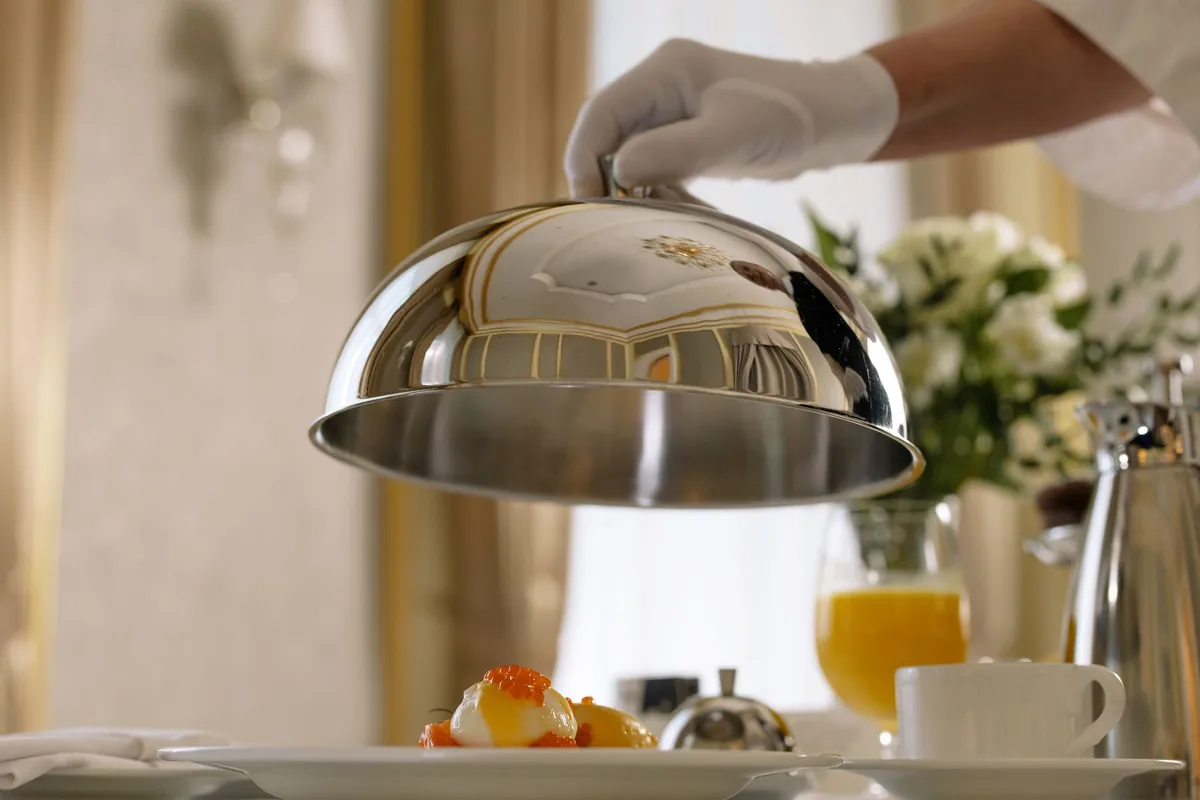
The short version
- Hotel Wrexham used an autumn guest chef series to draw regional diners away from major dining hubs.
- Bungalow maintains a 10,000-person waiting list by prioritizing deep culinary craft over broad scale.
- Burgh Island Hotel sources 80% of its food within 30 miles to reinforce local heritage.
Hoteliers can use chef collaborations and culinary identity to drive property revenue by transforming hotel restaurants from secondary amenities into primary travel motivators. By staging ticketed guest-chef takeovers, hiring pedigree head chefs who source hyper-locally, and presenting deep cultural culinary narratives, operators generate non-resident food and beverage spend, attract destination diners, and build long-term room demand.
How do guest chef takeovers drive non-resident revenue?
Guest chef takeovers attract regional diners who would otherwise bypass a hotel restaurant, creating an immediate revenue spike through ticketed, multi-course dining events. According to Hotel Owner, The Savvy Fox at Hotel Wrexham launched an autumn Chef Takeover Series featuring three North West chefs: Ellis Barrie, Felix Shore, and Paul Askew [1]. Each ticketed event pairs a welcome drink with a four-course tasting menu and a live Q&A session with the visiting chef [1].
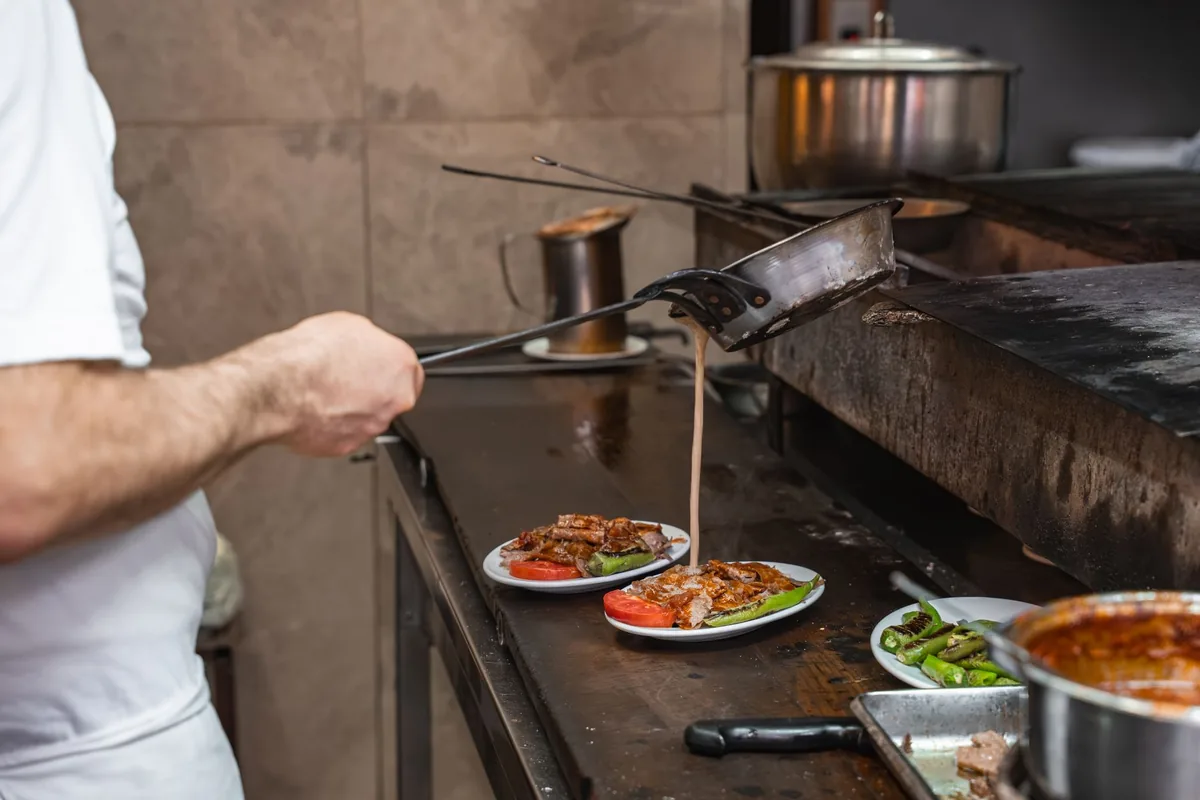
These single-night takeovers allow a hotel to market high-profile talent without carrying permanent payroll overhead. Steven Hesketh, co-owner of The Savvy Fox, explained that his partnership with Hotel Wrexham was never designed merely to sell bedrooms, but rather to construct a social venue that gives locals and visitors compelling reasons to visit [1]. As Hotel Owner reported, hosting talent such as Askew—chef-patron of The Art School in Liverpool—and Shore—who previously worked at three-Michelin-starred Frantzén in Stockholm—proves to diners that they do not need to travel to primary cities like Manchester or Chester for high-end dining [1].
Why should hotels treat food as the primary anchor for travel?
Culinary offerings provide an authentic reason to travel that competing destinations and alternative lodging cannot duplicate. Speaking at the Skift Global Forum, chef Vikas Khanna asserted that food tourism represents one of the most essential reasons people travel, stating that families choose trips when they know an extraordinary culinary experience awaits them [2]. Skift reported that Khanna pointed to Australia as an example of a destination that elevated food above heritage sites as its primary tourism engine [2].

When dining experiences offer rare depth, they produce outsized commercial traction. Khanna revealed that his New York restaurant, Bungalow, maintains a 10,000-person waiting list and books out reservations within 10 seconds of daily release [2]. He argued that properties must invest in culinary depth rather than sheer scale [2]. Khanna illustrated this focus on craft through his signature yogurt kebab, which requires two days of preparation and carries a 40% success rate during frying [2]. For hoteliers, anchoring a property to singular culinary experiences insulates the business against commoditisation [2].
What return does hiring top-tier kitchen leadership deliver?
Hiring an accomplished head chef anchors a hotel's permanent culinary identity, securing restaurant accolades that elevate the broader brand. In Devon, the Burgh Island Hotel appointed David Waters as head chef, according to Hotel Owner [3]. Waters arrived at the Art Deco hotel following a tenure as sous-chef at the two-Michelin-starred Restaurant Nathan Outlaw in Port Isaac, alongside past leadership at the Victoria Inn at Perranuthnoe, which earned two AA Rosettes [3].
By installing established talent, properties build instant culinary credibility that supports premium menu pricing and captures affluent leisure travelers. Waters is charged with developing Burgh Island's menus around seasonal produce, island heritage, and Cornish and West Country roots mixed with Scottish and East Asian influences [3]. Investing in recognised culinary talent ensures the kitchen operates as an independent demand generator rather than a cost center [3].
| Property / Venue | Chef & Background | Format / Initiative | Operational & Sourcing Model |
|---|---|---|---|
| The Savvy Fox, Hotel Wrexham | Ellis Barrie (Marram Grass), Felix Shore (Frantzén), Paul Askew (The Art School) | Single-evening Chef Takeover Series across three autumn dates | Four-course tasting menus, welcome drinks, and chef Q&A sessions based on local produce [1] |
| Bungalow (New York) | Vikas Khanna (Chef, Author & Humanitarian) | Destination dining anchored in cultural culinary heritage | Technique-intensive dishes, including a two-day yogurt kebab with a 40% prep success rate [2] |
| Burgh Island Hotel (South Devon) | David Waters (Former sous-chef at 2-Michelin-starred Nathan Outlaw) | Permanent kitchen leadership and seasonal menu transformation | Produce-led menus with 80% of ingredients sourced within a 30-mile radius [3] |
How does hyper-local sourcing reinforce culinary identity?
Hyper-local sourcing establishes an authentic sense of place while controlling waste and building supply resilience. As Hotel Owner reported, approximately 80% of Burgh Island Hotel's ingredients are sourced within a 30-mile radius of the Devon property [3]. Waters works directly with an established network of regional farmers, fishermen, and independent producers [3].
This sourcing framework allows menus to adapt dynamically to regional harvest cycles while eliminating excessive food waste through whole-ingredient usage [3]. Waters noted that great cooking stems from high-grade regional ingredients that speak for themselves [3]. When hotels emphasize provenance and regional suppliers, they create dining narratives that guests cannot experience elsewhere [[2], [3]].
Reported by
This article was written from the following reporting. Follow the links for the original coverage.
- [1]Hotel Wrexham Launches Autumn Chef Takeover Series— hotelowner.co.uk
- [2]Chef Vikas Khanna Urges Hotels to Anchor Travel on Food— Skift
- [3]Burgh Island Hotel Hires David Waters as Head Chef— hotelowner.co.uk
Frequently asked
+How do guest chef takeovers help hotel food and beverage margins?
Guest chef takeovers allow hotels to market elite culinary talent for one-night ticketed events without adding permanent executive payroll. At Hotel Wrexham, visiting chefs create four-course menus paired with Q&A sessions, drawing local diners and filling dining rooms on midweek autumn evenings.
+Why is culinary identity important for hotel destination marketing?
Chef Vikas Khanna highlighted that food tourism is an essential reason people travel, arguing that unique culinary experiences motivate family travel more than basic lodging amenities. Destinations and hotels that present authentic, deep culinary heritage create proprietary experiences that competing properties cannot duplicate.
+What background did David Waters bring to Burgh Island Hotel?
David Waters was hired as head chef at Burgh Island Hotel after serving as sous-chef at the two-Michelin-starred Restaurant Nathan Outlaw. He also previously worked at the Victoria Inn at Perranuthnoe, which achieved two AA Rosettes and a top gastropub ranking.
+What proportion of ingredients does Burgh Island source locally?
Burgh Island Hotel sources approximately 80% of its culinary ingredients within a 30-mile radius. The kitchen collaborates with regional farmers, fishermen, and independent producers to produce seasonal menus that emphasize waste reduction and ingredient efficiency.
+Which chefs participated in The Savvy Fox autumn takeover series?
The Savvy Fox at Hotel Wrexham hosted Ellis Barrie of The Marram Grass, Felix Shore of Restaurant 209, and Paul Askew of the Michelin-recommended The Art School across three separate events in October.
Keep reading
Our reporting
More in operations