Hotel Arrival ROI: Three Architectural Principles for Owners
Developers can lift asset value by shifting entry design from simple drop-offs to choreographed, multi-sensory arrival transitions.
The short answer
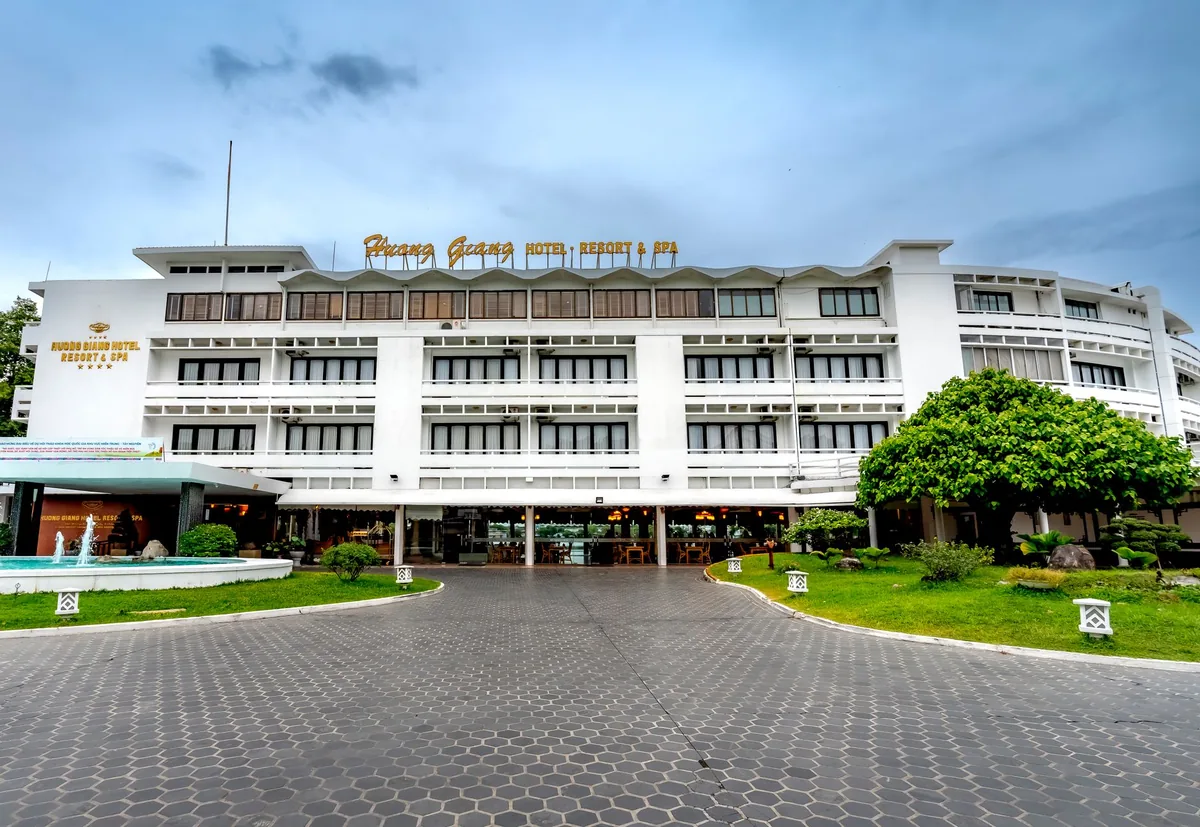
Hotel developers can drive measurable returns by transforming basic drop-offs into choreographed, multi-sensory arrival sequences. Implementing spatial hierarchy, intuitive circulation, and staged anticipation establishes immediate guest trust and elevates perceived asset value.
The short version
- Three design disciplines—choreographed circulation, spatial hierarchy, and staged anticipation—drive destination value.
- Walt Disney World's Magic Kingdom demonstrates the value of staged reveals via its berm, station portal, and castle sightlines.
- eHotelier highlights that arrival sequences establish the initial moment of guest trust before any room or amenity is reached.
Hotel arrival sequences drive asset returns by framing guest expectations, establishing perceived quality, and anchoring the initial moment of trust before a visitor enters a room or restaurant [1]. According to eHotelier, properties achieve this financial and experiential upside by applying three primary design disciplines: choreographed circulation, clear spatial hierarchy with physical thresholds, and staged anticipation [1].
How does choreographed circulation eliminate navigation friction?
Choreographed circulation replaces confusing operational signage with built architectural forms, lighting, landscaping, and clear sightlines that guide human movement naturally [1]. Rather than forcing incoming travelers to actively hunt for checkpoints, an intentional path minimizes hesitation and uncertainty [1]. As eHotelier points out, shifting a guest from navigation mode to experience mode is precisely where physical space starts generating tangible value [1]. Intuitive pathways, local materials, and framed vistas reveal destination identity long before a guest steps up to the reception desk [1].

Why are spatial hierarchy and threshold transitions critical?
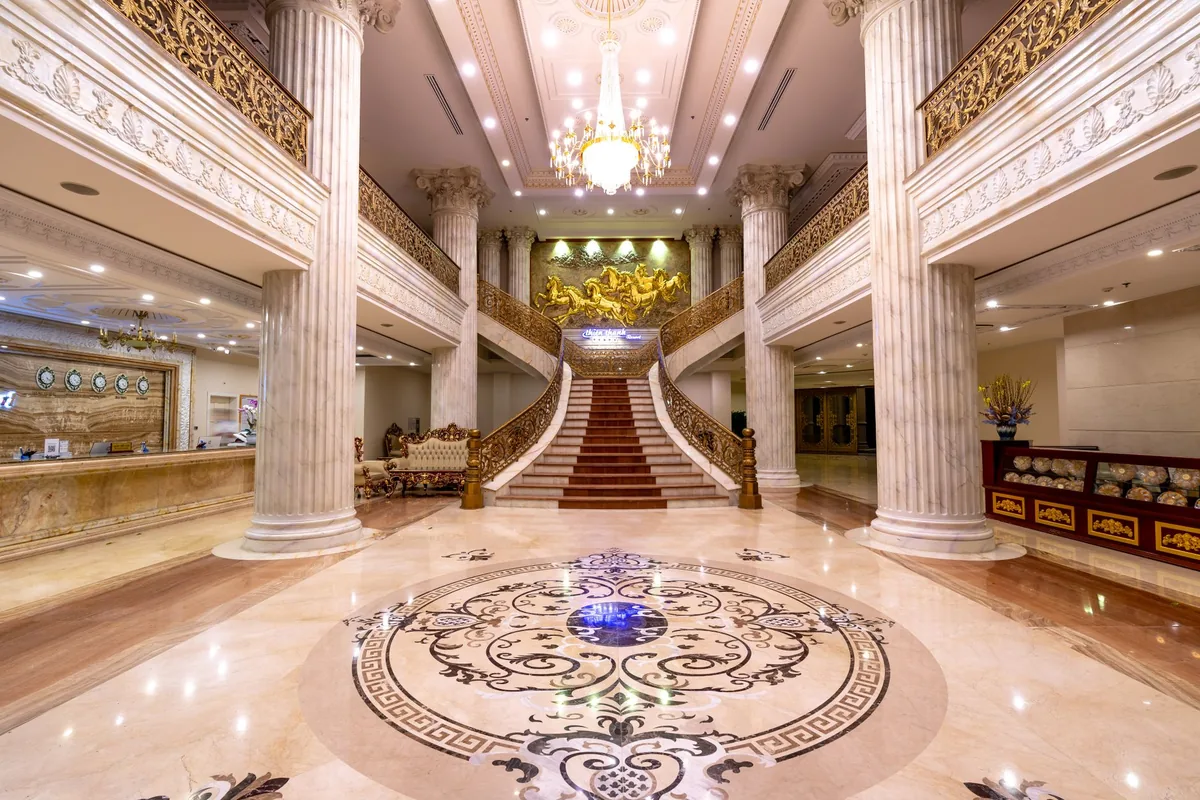
Spatial hierarchy and physical thresholds signal an unmistakable transition from ordinary public thoroughfares into a curated destination with its own identity [1]. A sudden change in scale, ceiling elevation, material palette, or architectural rhythm marks that transition clearly [1]. Applying spatial compression and release—directing visitors through a narrower, intimate portal before revealing an expansive interior—delivers an immediate sense of arrival without requiring an overbuilt physical structure [1].
According to eHotelier, an entrance that looks neglected diminishes the perceived value of the entire property, while an overly elaborate gate creates grand expectations that the rest of the asset cannot sustain [1]. Balancing proportion, local materials, and clear cues ensures guests immediately comprehend where they are and where to proceed next [1].
What structural elements define the three arrival disciplines?
Hotel operators and designers coordinate distinct architectural interventions across the arrival journey to establish spatial value, as reported by eHotelier [1]:
| Design Principle | Primary Architectural Mechanism | Operational and Guest Impact |
|---|---|---|
| Thoughtful Choreography | Landscape framing, intuitive pathways, and focused lighting | Removes reliance on heavy signage and reduces visitor friction |
| Spatial Hierarchy & Thresholds | Compression and release of space, changes in scale and elevation | Marks the transition from public zones into a dedicated brand identity |
| Staged Anticipation | Controlled reveal, framed sightlines, soundscapes, and scents | Builds curiosity and sets an implicit promise of hospitality |
How does staged anticipation build emotional investment?
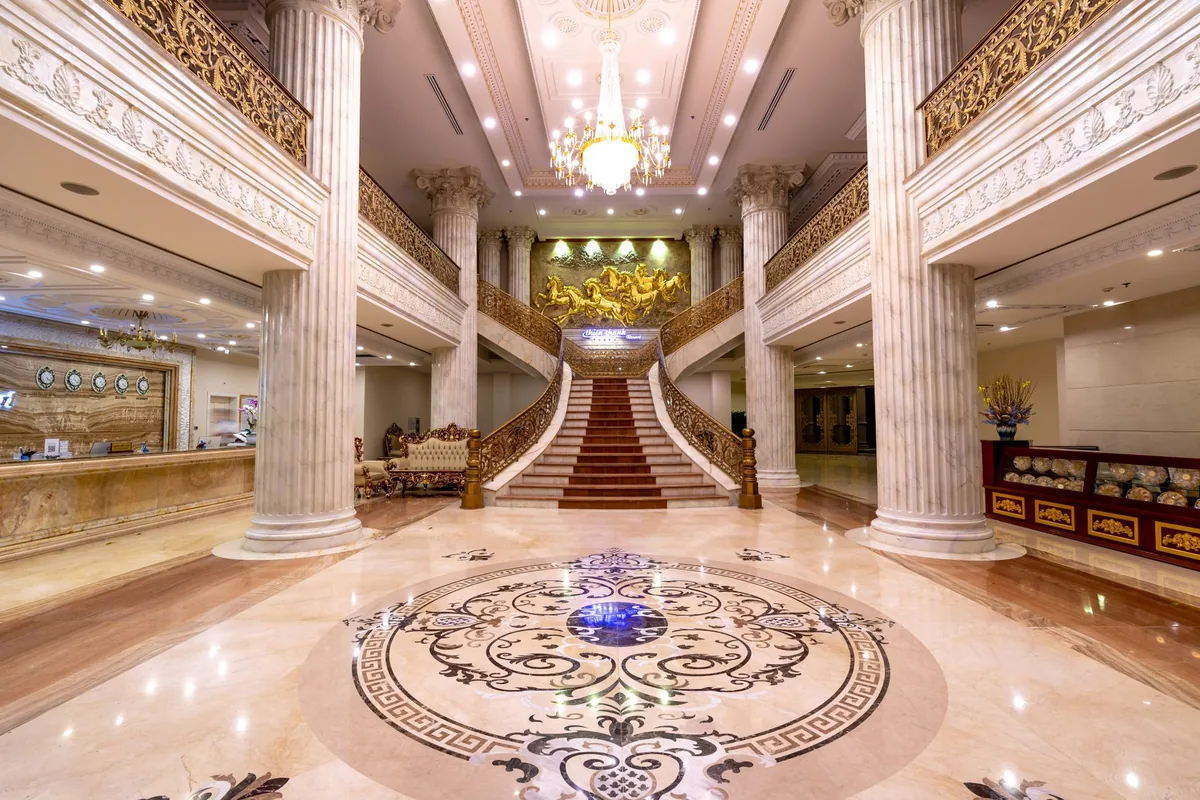
Paced discovery withholds immediate exposure to the primary attraction, instead offering a progressive unfolding of glimpses that prompts guests to move forward [1]. Rather than showing the central vista right at the curb, master planners sequence spaces using framed visual pockets and subtle sensory shifts [1]. eHotelier cites Walt Disney World's Magic Kingdom as a benchmark for this approach: visitors first confront an earthen berm and train station, walk beneath the structure, and only then experience the full panorama of Main Street and Cinderella Castle [1].
This staged progression applies across diverse real estate asset classes [1]. Sports stadiums use rising acoustic volumes and dynamic lighting along access corridors; healthcare campuses incorporate garden buffers to reduce patient anxiety; and mixed-use urban districts employ tactile paving, warm lighting, and outdoor dining aromas to cultivate an immersive atmosphere [1].
How does the entry sequence establish property trust?
The arrival sequence functions as an implicit operational promise regarding the overall care and service standard a property delivers throughout the guest stay [1]. Long before experiencing food and beverage outlets or guestrooms, travelers form firm opinions from simple touches: personal welcomes, deliberate guidance, and seamless physical access [1]. When that initial sequence confirms both comfort and character, it builds durable trust that encourages repeat visits and drives sustained return on investment [1].
Reported by
This article was written from the following reporting. Follow the links for the original coverage.
- [1]Design Principles to Drive Hotel Arrival ROI— eHotelier
Frequently asked
+What are the three core design principles for hotel arrivals?
The three principles outlined by eHotelier are thoughtful choreography of circulation, establishing clear spatial hierarchy and physical thresholds, and building a sense of staged anticipation through controlled reveals.
+Why should hotels minimize traditional directional signs at arrival?
Relying on landscape framing, architecture, lighting, and intuitive sightlines guides guests naturally, removing navigational stress so visitors can immediately focus on the destination experience rather than finding their way.
+How does architectural compression and release enhance entry value?
Moving visitors from an enclosed, narrower passage into an open, higher-ceiling space creates an unmistakable threshold moment that highlights the transition from the public realm into a curated, distinct hospitality environment.
+What role does staged anticipation play in guest perceptions?
Rather than displaying defining features all at once, progressive reveals and multi-sensory cues like lighting and sound build curiosity, making the transition feel like an unfolding narrative that enhances perceived quality.
+Does upgrading an arrival sequence require massive capital expenditure?
Achieving an effective arrival sequence depends far more on sharpening architectural intent, proportion, and human behavior planning than simply inflating construction budgets with overly complex amenities.
Keep reading
Our reporting

More in operations