Hospitality M&A Value Reaches $39.6B in H1 2026 as Volume Drops
U.S. travel and hospitality deal values jumped 107% in H1 2026 despite falling deal volume as investors target larger assets.
The short answer
U.S. travel and hospitality M&A value jumped 106.8% to $39.6 billion in H1 2026 despite deal volume falling 7.6%. Investors concentrated capital on high-value, data-rich platform assets such as Fertitta's $17.6 billion takeover of Caesars.

The short version
- Hospitality deal value rose 106.8% to $39.6 billion in H1 2026 despite a 7.6% drop in deal volume.
- Fertitta Entertainment led overall transaction volume with its $17.6 billion acquisition of Caesars Entertainment.
- Investors are prioritizing data-rich, high-margin platforms with strong loyalty ecosystems and direct distribution control.
U.S. travel, leisure, and hospitality mergers and acquisitions reached $39.6 billion in the first half of 2026, marking a 106.8% increase in deal value compared to the same period in 2025 [1]. While deal capital doubled, overall transaction volume fell 7.6% to 402 completed deals as buyers shifted toward higher-value assets [1].
Why did hospitality deal values double while transaction counts fell?
Buyers concentrated capital into larger, higher-conviction corporate acquisitions rather than spreading funds across smaller regional transactions [1]. Hotel Dive reported that transaction volume across the broader travel, leisure, and hospitality industry dropped 7.6% year over year to 402 deals in the first half of 2026 [1]. Meanwhile, total deal value increased 106.8% to $39.6 billion over the same six-month timeframe [1]. Within the specific hospitality and leisure segment, transaction value increased 106.6% year over year while deal volume contracted 6.1% [1]. KPMG reported that this divergence between total dollar capital and transaction count reflects an intense investor focus on higher-quality assets [1]. Buyers prioritized enterprises that demonstrate strong distribution control, pricing power, direct customer ownership, loyalty network reach, and scalable operating frameworks [1].
What were the largest hospitality mergers and acquisitions in H1 2026?
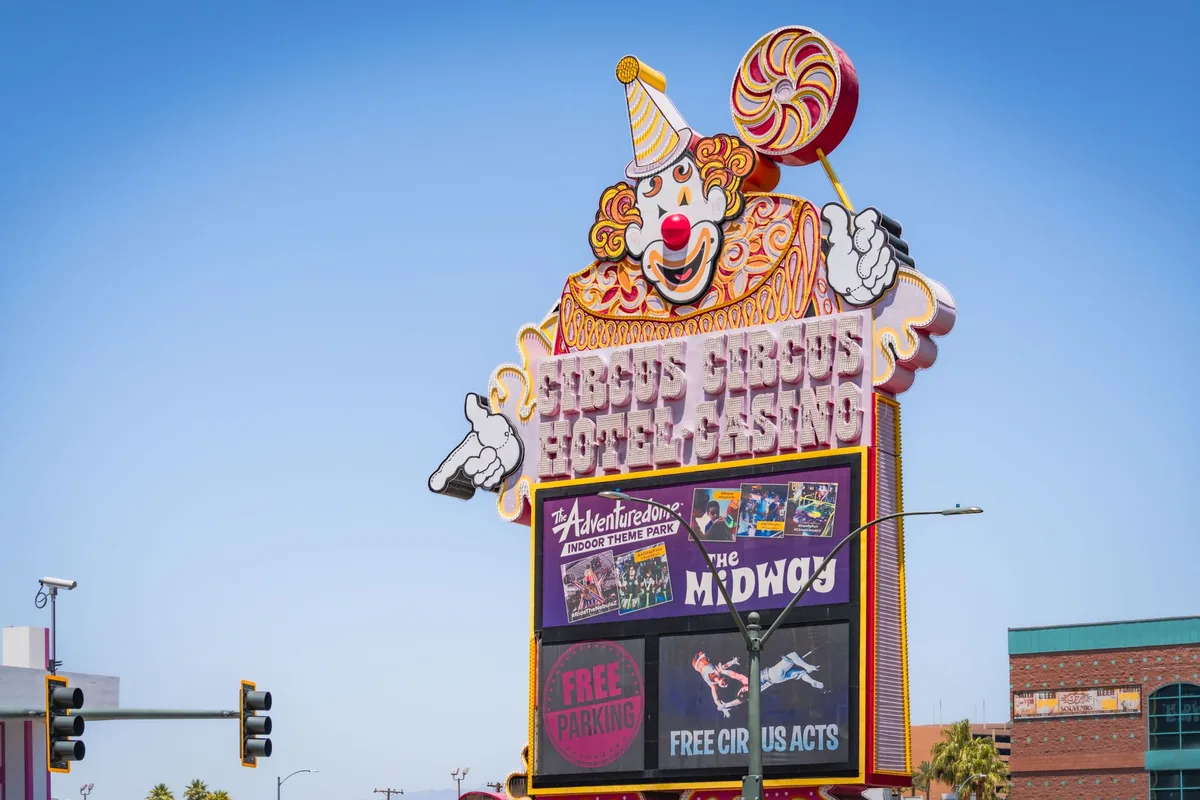
Fertitta Entertainment executed the largest acquisition of the first half of 2026 by acquiring Caesars Entertainment for $17.6 billion [1]. According to KPMG, this mega-deal combined physical real estate assets, gaming economics, hospitality operations, customer data platforms, and loyalty program reach into a single enterprise [1]. Private equity sponsors also drove substantial volume through major platform transactions across membership and media targets [1]. KSL Capital Partners completed a $3 billion acquisition of Invited Clubs to expand its leisure asset holdings [1]. Additionally, Apollo Global Management acquired trade show and event media operators Emerald Holding and Questex for approximately $1.5 billion [1]. These high-value transactions concentrated capital in platforms featuring recurring consumer activity and proprietary data assets [1].
How do transaction metrics compare across the travel and leisure industry?
Transaction metrics in H1 2026 showed higher deal values despite lower total contract counts across both broader travel platforms and individual hospitality sub-sectors [1]. KPMG data indicates that institutional investors favored scaled corporate assets over fragmented individual properties [1].
| Metric / Deal Feature | H1 2026 Value | Year-Over-Year Change | Primary Investor Focus |
|---|---|---|---|
| Total Industry M&A Value | $39.6 Billion | +106.8% | Scale, customer ownership, distribution control [1] |
| Total Industry Deal Volume | 402 Deals | -7.6% | Fewer speculative acquisitions, higher conviction [1] |
| Hospitality & Leisure Value | $39.6 Billion Scope | +106.6% | Loyalty reach, rate integrity, pricing power [1] |
| Hospitality & Leisure Volume | Sub-sector total | -6.1% | Higher asset quality, reduced overall activity [1] |
| Fertitta / Caesars Acquisition | $17.6 Billion | Top H1 Transaction | Gaming, physical assets, customer data [1] |
| KSL / Invited Clubs Acquisition | $3.0 Billion | Major Platform Deal | Membership networks, leisure operations [1] |
| Apollo / Emerald & Questex | ~$1.5 Billion | Major Platform Deal | B2B events, media ecosystems, data platforms [1] |

Which property and asset features are buyers prioritizing?
Investors focused acquisitions on businesses that maintain strong pricing power, high repeat guest engagement, and disciplined labor management [1]. According to KPMG, buyers in the first half of 2026 evaluated prospective targets based on rate integrity, capital expenditure discipline, brand equity, margin control, and the capability to convert guest data into measurable operational performance [1]. A separate report published in June by PwC revealed that investors are targeting a narrower group of assets, specifically seeking out premium, wellness-anchored, and data-rich hospitality platforms [1]. In addition to physical real estate condition, buyers rewarded companies that possess established direct-to-consumer distribution channels that bypass third-party intermediaries [1].
What operational risks threaten post-close deal execution?
Confusing short-term travel demand with long-term structural demand represents a primary execution hazard for hospitality acquirers [1]. KPMG highlighted that underfunding post-acquisition renovation capital, technology integration, and workforce initiatives creates major operational risk for buyers [1]. Daniel Fischer, principal and U.S. travel, leisure and hospitality advisory lead at KPMG, stated that buyers must look past closing day to manage post-close operational mechanics [1]. Fischer emphasized that the true value of large acquisitions depends on a company's capacity to seamlessly transform operational structures rather than the transaction announcement itself [1]. Acquirers in H2 2026 will require verified proof of achievable operational synergies, fixed financing arrangements, integration readiness, and planned margin improvements before completing transactions [1].
What is the dealmaking outlook for the second half of 2026?
Dealmakers will focus on premium lodging assets, scaled gaming platforms, branded service providers, and membership-led experiential businesses during the second half of 2026 [1]. Hotel Dive reported that quality assets across lodging, resorts, gaming, cruise lines, and restaurant chains will continue to command premium valuations from institutional buyers [1]. KPMG projects that transactions over the next three to six months will center on platforms with clear, specific operating theses [1]. However, buyers will remain cautious regarding valuation multiples, requiring sellers to demonstrate capital discipline, verified operational efficiency, and clear renovation upside to close deals in H2 [1].
Reported by
This article was written from the following reporting. Follow the links for the original coverage.
Frequently asked
+What was the total value of U.S. hospitality M&A in H1 2026?
Total M&A deal value in the U.S. travel, leisure, and hospitality sector reached $39.6 billion in the first half of 2026, representing a 106.8% year-over-year increase according to KPMG data.
+How many hospitality M&A deals closed in H1 2026?
A total of 402 deals were completed in H1 2026 across the U.S. travel, leisure, and hospitality sector, which represents a 7.6% decline in deal volume compared to H1 2025.
+What was the largest hospitality deal in H1 2026?
The largest transaction was Fertitta Entertainment's $17.6 billion acquisition of Caesars Entertainment, which brought together physical gaming assets, loyalty programs, and customer data.
+Why did deal value increase while deal volume fell?
Buyers pursued larger, higher-conviction platform deals focusing on quality assets with strong customer ownership, pricing power, loyalty reach, scalable operating models, and direct distribution control.
+What asset characteristics are buyers targeting in 2026?
According to KPMG and PwC reports, investors are targeting premium, wellness-anchored, and data-rich assets that demonstrate rate integrity, repeat behavior, labor discipline, and operational improvement potential.
+What are the key execution risks for hospitality buyers?
Key operational risks include confusing temporary demand strength with structural demand growth, as well as underfunding post-close renovation capital, technological upgrades, and workforce initiatives.
Keep reading
Our reporting
More in finance