Hilton Trends Report Shows Rise in Solo and Micro Trips
Hilton's 2027 Trends Report reveals rising demand for solo journeys, shorter regional getaways, and human guidance over artificial intelligence.
The short answer
Hilton's 2027 Trends Report outlines major behavioral shifts as guests embrace solo-ish journeys, micro-trips, and personal growth. The data underscores the sustained value of hotel staff expertise and loyalty tier recognition.
The short version
- Motto by Hilton recorded more than 50 percent of its worldwide bookings from solo guests over the past year.
- Hilton Honors tracked double-digit elite member growth following qualification updates launched in January 2026.
- Seventy percent of global travelers rely on on-property hotel staff as a trusted travel planning resource.
Hilton's 2027 Trends Report reveals that travelers are abandoning rigid vacation itineraries in favor of flexibility, personal growth, and micro-trips [1]. Guests increasingly book independent travel, rely on on-property staff recommendations over algorithms, and prioritize shorter, centrally located stays to balance limited personal time [1]. Hotel operators must adapt operations to accommodate solo travelers and regional short-stay preferences [1].
How are guests redefining solo travel and itinerary planning?
Guests are discarding unrealistic vacation standards and embracing independent travel that allows them to connect with others on their own schedules [1]. According to Lodging Magazine, 54 percent of travelers experience pressure to produce a perfect vacation, while 24 percent struggle to accommodate groups and keep companions happy [1]. This friction fuels what the report classifies as solo-ish travel [1].
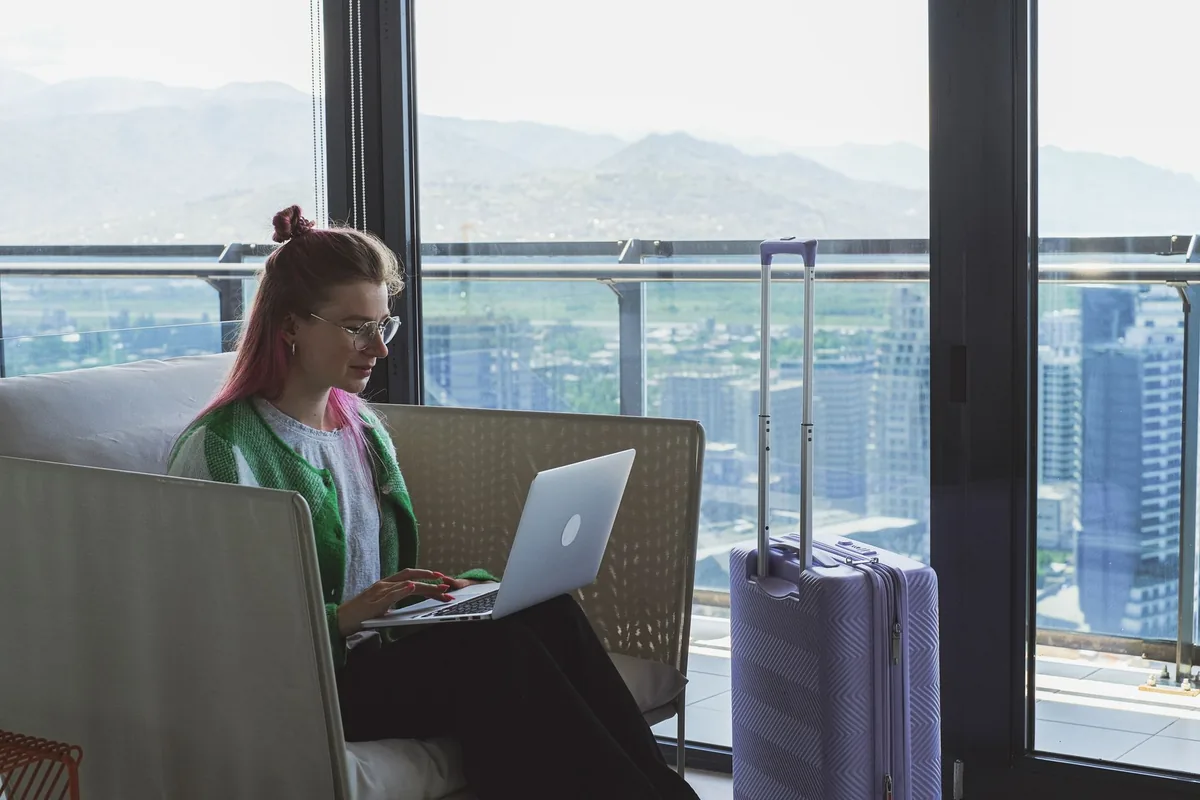
Rather than traveling in total isolation, 31 percent of surveyed travelers take solo trips specifically to meet friends or family at their chosen destination [1]. Lodging Magazine reported that Motto by Hilton recorded more than half of its global reservations from solo guests over the past year [1]. As Chris Nassetta, president and chief executive officer of Hilton, noted in the report, travelers want experiences that fit their daily lives and build meaning rather than conforming to outside expectations [1].
Why does on-property staff guidance outperform digital planning tools?
Hotel staff members serve as primary sources of guest confidence during an era dominated by automated itineraries [1]. Lodging Magazine noted that 70 percent of travelers place direct trust in hotel staff as a planning resource [1]. Personal relationships and family networks also drive booking choices: among travelers who trust family above all else, 20 percent of non-parents cite their mothers as their top source for travel guidance, compared to 8 percent of parents [1].
Guest loyalty tiers also govern travel advice and influence consumer perception [1]. Half of surveyed travelers trust recommendations from loyalty status holders more than those from non-status travelers, while 29 percent experience jealousy toward peers who hold higher status tiers [1]. After Hilton adjusted its Hilton Honors program in January 2026 to accelerate status progression, the brand tracked double-digit elite tier member growth compared to the prior year [1].
| Market | Primary Definition of a Short Trip | Regional Travel Trait |
|---|---|---|
| United States | Fewer than 3–4 days (88%) | Prefers central locations with nearby activities [1] |
| Japan | Fewer than 2 days (86%) | Prioritizes fast, condensed itineraries [1] |
| South Korea | Fewer than 2 days (59%) | Favors quick weekend departures [1] |
| Saudi Arabia | 5–6 days or longer (29%) | Maintains the longest threshold for micro-travel [1] |
| Germany | 5–6 days or longer (26%) | Views extended multi-day getaways as short breaks [1] |
What is driving guest interest in skillcations and reset getaways?
Travelers treat trips as vehicles for personal development and restorative health rather than simple breaks from work [1]. The anticipation of travel provides psychological momentum, with 76 percent of respondents reporting that placing a trip on their calendar gives them a purpose to work toward [1]. Furthermore, 42 percent state that traveling helps them discover new passions [1]. Younger demographics fuel this movement: Generation Z travelers are nearly twice as likely as Baby Boomers to return from trips with a new hobby [1].

Restoration also dictates property selection [1]. Lodging Magazine highlighted that 65 percent of respondents deliberately seek activities that calm the nervous system, and 76 percent find that travel recharges them physically and mentally in ways their home environments cannot [1]. Outdoor exposure remains central to this recuperation: 79 percent of guests identify fresh air and nature as critical to relaxing, and 54 percent spend more time outdoors while traveling than while at home [1].
How should operators adjust inventory for the micro-travel mindset?
Compressed personal schedules push travelers to book frequent, brief stays rather than waiting for extended annual holidays [1]. Hilton found that 67 percent of travelers prefer itineraries that pack diverse experiences into condensed time frames [1]. To maximize their time on property, 63 percent choose central accommodations surrounded by active commercial or cultural districts [1].
Operational teams must adjust room turnover schedules and booking windows based on source markets [1]. In the United States, 88 percent of travelers classify stays under 3 to 4 days as short trips [1]. Asian markets maintain even tighter definitions: 86 percent of Japanese travelers and 59 percent of South Korean travelers view trips shorter than 2 days as micro-trips [1]. Conversely, Middle Eastern and European guests extend these parameters: 29 percent of travelers in Saudi Arabia and 26 percent in Germany consider stays lasting 5 to 6 days or longer to fall under the short-stay category [1].
Reported by
This article was written from the following reporting. Follow the links for the original coverage.
- [1]Hilton Report Highlights Rise in Solo and Micro Trips— Lodging Magazine
Frequently asked
+What is solo-ish travel according to Hilton's report?
Solo-ish travel describes guests who depart independently but intentionally meet friends or family at their destination. Hilton's report found that 31 percent of travelers take solo journeys to rendezvous with acquaintances, while Motto by Hilton logged more than half of its yearly reservations from solo guests.
+How much do travelers trust hotel staff for local recommendations?
Seventy percent of surveyed travelers trust on-property hotel staff as a planning resource. Guests continue to prioritize direct human interactions over automated planning tools when seeking reliable guidance about destinations.
+How does traveler loyalty status impact consumer trust?
Fifty percent of travelers place higher trust in travel recommendations from individuals who hold loyalty status. Additionally, 29 percent admit to being jealous of friends who have earned higher loyalty tiers.
+What constitutes a short trip across different global markets?
Short trip definitions vary widely by nationality. While 88 percent of U.S. travelers consider 3 to 4 days a short stay, 86 percent of Japanese travelers define it as under 2 days. In contrast, 29 percent of travelers in Saudi Arabia consider 5 to 6 days a short trip.
+What are skillcations and who books them?
Skillcations are trips focused on acquiring new passions, hobbies, or skills. Forty-two percent of respondents report discovering new interests through travel, with Generation Z travelers being nearly twice as likely as Baby Boomers to pursue trips that result in a new craft or activity.
Keep reading
Our reporting

More in operations