Hilton CDO: Market Pressure Drives Hotel Innovation
Rising capital costs and operating expenses push hoteliers to rethink traditional operational models and discover new revenue streams.
The short answer
Hilton Chief Development Officer Christian Charnaux notes that rising capital and operating costs are driving industry transformation. Hotel owners are responding by rethinking square footage, staffing models, and food and beverage profitability.
“We are in a world that is not getting any less competitive. If you look at all the inputs, from capital to operating costs, that go into running a hotel, there is pressure. But out of pressure, there is opportunity.”

The short version
- Hilton Chief Development Officer Christian Charnaux emphasizes that operational pressure serves as a catalyst for hotel innovation.
- Hotel owners are re-evaluating property square footage and shifting food and beverage from a basic amenity to a profit driver.
- Hospitality leaders are adopting practical artificial intelligence tools to improve decision-making and property-level efficiency.
Rising capital costs, persistent operating inflation, labor constraints, and escalating guest expectations are forcing hotel owners and operators to rethink traditional business models, according to Hilton Chief Development Officer Christian Charnaux. Rather than waiting for market headwinds to pass, hospitality leaders are using intense market pressures as an operational catalyst to eliminate inefficiencies, re-evaluate real estate, and unlock new revenue streams [1].
What Market Pressures Are Hotel Owners Currently Facing?
Hotel owners face simultaneous headwinds across financing, staffing, and basic day-to-day operations [1]. As Hotel Business reported, capital has become more difficult and expensive to secure across the hospitality industry [1]. At the same time, operating expenses remain elevated, labor continues to present ongoing operational challenges, and competitors are continuously evolving how they market, sell, and run properties [1].
Christian Charnaux, Hilton’s chief development officer, outlined these macroeconomic and operational hurdles directly [1]. As Charnaux stated to Hotel Business, “We are in a world that is not getting any less competitive. If you look at all the inputs, from capital to operating costs, that go into running a hotel, there is pressure. But out of pressure, there is opportunity” [1].

How Are Hospitality Leaders Turning Operational Strain Into Growth?
Hospitality leaders are treating market pressure as an operational mindset to question long-standing industry assumptions [1]. When operating conditions tighten, hotel operators are nudged to scrutinize line-item expenses, differentiate between essential practices and habitual routines, and eliminate ineffective legacy systems [1].
Rather than adopting passive optimism, operators are actively addressing structural challenges [1]. Hotel Business reported that industry leaders are moving through financial uncertainty by applying stricter operational discipline, adjusting procurement practices, and rethinking energy consumption alongside the entire guest journey [1].
| Operational Focus Area | Traditional Approach | Pressure-Driven Adaptation |
|---|---|---|
| Real Estate & Space Utilization | Passive amenity square footage | Scrutinizing every square foot for revenue performance [1] |
| Food & Beverage Operations | Standard guest amenity overhead | Experiential driver optimized for standalone profitability [1] |
| Technology & Artificial Intelligence | Experimental pilot projects | Practical tools for efficiency, personalization, and decisions [1] |
| Staffing & Workforce Models | Fixed department scheduling | Rethought staffing structures and modernized workflows [1] |
| Revenue Strategy | Reliance on traditional room night sales | Generating revenue streams beyond room nights [1] |
Where Are Hoteliers Finding Untapped Revenue and Efficiencies?
Hoteliers are exploring unconventional revenue channels that extend well beyond the traditional overnight room rate [1]. According to Hotel Business, property owners are actively measuring the performance and yield of every square foot across their real estate [1].
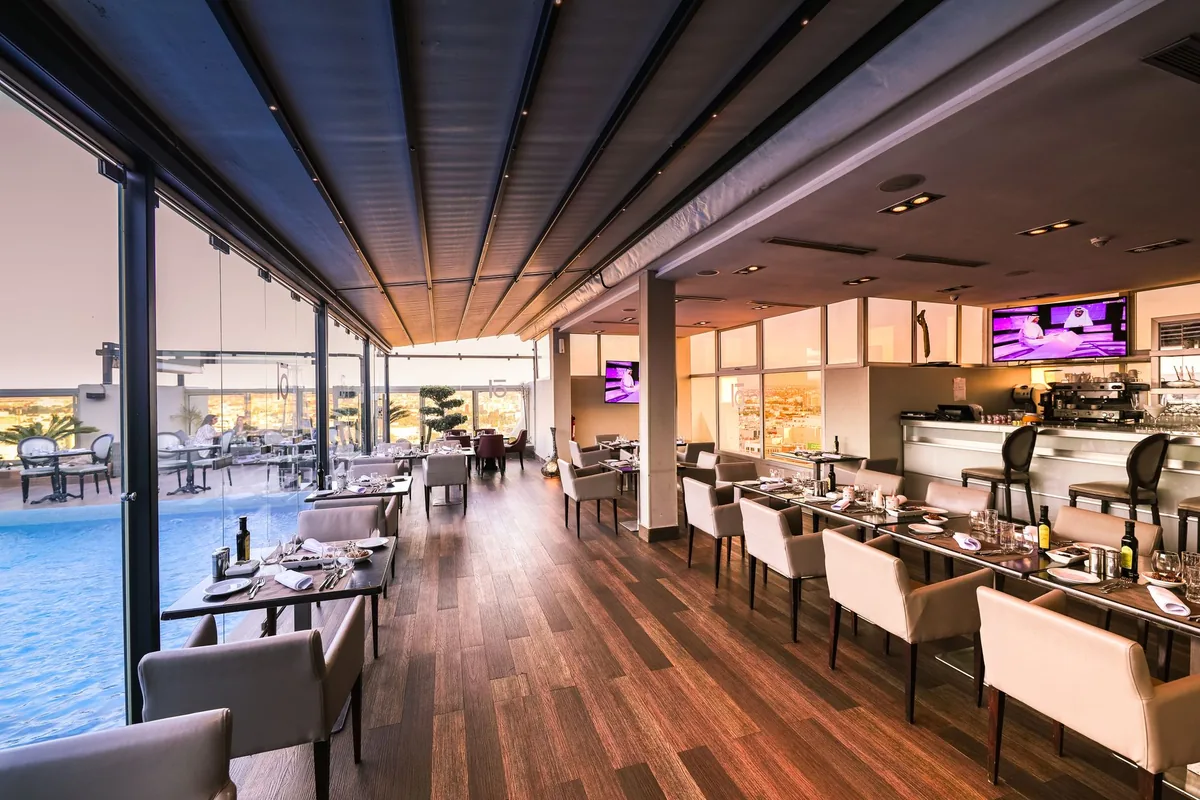
Food and beverage departments, long treated in some properties purely as standard guest amenities, are being repositioned as distinct experiential centers designed to drive departmental profitability [1]. Furthermore, technology and artificial intelligence have shifted away from speculative experimentation into practical operational tools that enhance decision-making, operational personalization, and frontline productivity [1].
What Questions Should Owners and General Managers Be Asking?
Owners and general managers must shift from defensive survival tactics to active growth evaluations [1]. According to Hotel Business, market pressure requires hoteliers to identify what their guests truly value and determine which legacy operational practices should be stopped altogether [1].
To build a more durable operating model, operators are asking where they can operate smarter, what premium experiences can be monetized, and where properties are currently leaving revenue uncollected [1]. By treating these inquiries as operational catalysts, hospitality businesses position themselves to emerge stronger from competitive markets [1].
Reported by
This article was written from the following reporting. Follow the links for the original coverage.
- [1]Hilton CDO: Market Pressure Drives Hotel Innovation— Hotel Business
Frequently asked
+Who is the Chief Development Officer at Hilton?
Christian Charnaux serves as the Chief Development Officer of Hilton, where he tracks development, capital markets, and operational industry trends.
+What major cost pressures are currently affecting hotel owners?
Hotel owners are facing higher financing costs, difficult capital access, elevated operating expenses, persistent labor challenges, and evolving guest expectations.
+How are hotel operators rethinking food and beverage departments?
Instead of viewing food and beverage merely as a required amenity, operators are transforming dining operations into experiential offerings focused on driving measurable profitability.
+How is artificial intelligence being applied in hotel operations?
Artificial intelligence and technology have moved from experimental tests into practical operational tools designed to improve daily efficiency, guest personalization, and leadership decision-making.
+Why does market pressure create opportunity for hoteliers?
Tight market conditions force hoteliers to scrutinize expenses, eliminate outdated legacy assumptions, optimize underperforming square footage, and build more disciplined operating models.
Keep reading
Our reporting

More in operations