Front Desk AI: How Vendors Cut Guest Wait Times
Hospitality technology vendors are deploying automated messaging, unified inboxes, and direct dispatch to rescue understaffed front desks.
The short answer
Vendors are tackling front desk overload by rolling out unified messaging engines and direct operational task dispatch. These automated workflows answer routine inquiries and route service jobs without manual front office triage.
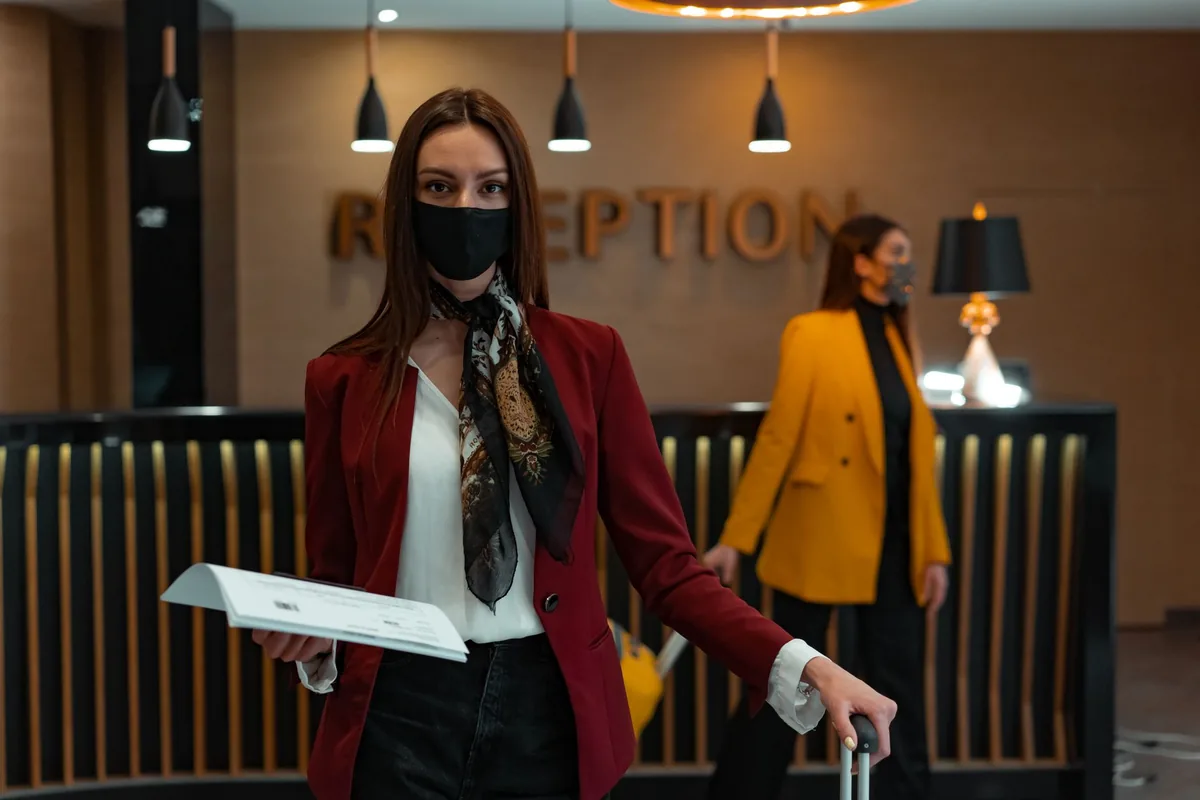
The short version
- One in three hotel guest messages goes unanswered when properties manage disconnected communication inboxes.
- Mews AI resolves 80% of routine inquiries instantly by accessing integrated property data.
- FCS Solutions routes in-room QR requests straight to fulfillment teams, bypassing reception desk call queues.
Hospitality technology vendors are streamlining front desk operations by deploying artificial intelligence to automate routine inquiries, unifying scattered messaging channels into single operational feeds, and directly dispatching guest service requests into back-of-house task workflows without front desk triage [[1], [3]]. These tools divert repetitive queries away from receptionists, cut hours-long reply delays, and resolve labor bottlenecks across properties [[1], [3]].
Why are hotel front desks failing to keep up with guest messages?
Front desk employees struggle to respond because incoming digital communication is fractured across far too many unmonitored systems [1]. As eHotelier reported, one in three guest messages goes completely unanswered because inbound notes land across six or seven separate inboxes that property teams cannot monitor simultaneously [1]. Guests who eventually receive an answer wait an average of eight hours for a response [1].
This digital fragmentation is exacerbated by sustained labor pressures [3]. According to eHotelier, an American Hotel & Lodging Association (AHLA) survey revealed that 65% of surveyed hotels experienced staffing shortages and high turnover [3]. During peak check-in and turnover hours, phone calls and app notifications go unanswered, pulling reception staff away from guests standing directly in front of the reception counter [[1], [3]]. As Joel Ndreu, VP Product & Engineering at Mews, noted, front desk teams are effectively drowning under incoming message queues instead of focusing on human hospitality [1].
How does unified messaging solve fragmented guest communications?
Unified guest messaging consolidates multiple channels into a single, centralized conversation thread that remains tied directly to the central reservation and profile [1]. According to eHotelier, the Mews Guest Messaging system unifies communications across SMS, WhatsApp, Expedia, Booking.com, and the proprietary Mews Guest Portal [1].
Instead of forcing staff to juggle multiple browser tabs or disparate extranet dashboards, the consolidated thread tracks the traveler across every touchpoint [1]. A traveler can begin an interaction via SMS while en route from an airport, switch to WhatsApp upon arrival, and subsequently submit an inquiry through an online guest portal; property staff view the entire exchange as a single chronological interaction [1]. Furthermore, because the artificial intelligence layer reads real-time property management system (PMS) data—including billing details, room status, and special notes—it avoids asking guests for details that the software already contains [1].
What share of guest inquiries can automated systems handle?
Automated hospitality systems are resolving as much as 80% of routine guest questions instantly without human intervention [1]. Repetitive inquiries regarding parking availability, pool hours, late checkout rules, and breakfast schedules are managed by artificial intelligence trained directly on property-specific answers [1].
In a separate discussion on the Good Morning Hospitality podcast, Skift reported that hotel chief executive officers are actively deploying voice agents to process an expanding volume of front desk queries alongside digital twins used for executive decision-making [2]. By offloading basic data delivery to automated engines, properties keep staff focused on arrivals, departures, and sensitive situations [1]. Matt Marrs, Operator at Llano Real Estate Group, noted that automated tools handle repetitive questions on pool hours while enabling operators to broadcast operational notices—such as maintenance closures—to all arriving or departing guests at once rather than typing individual messages [1].
How do vendors route physical guest requests directly to operations?
Vendors bypass front desk triage entirely by connecting browser-based guest service menus directly to backend departmental job dispatch engines [3]. Rather than making guests call the front desk to ask for extra towels, engineering help, or food, FCS Solutions launched FCS1 In-Room Guest Services (IRGS) to route digital requests directly to operational crews [3].
Guests scan an in-room QR code using their own mobile devices, accessing an API-first, multilingual web interface that requires no native app download [3]. When a guest orders amenities, books laundry services, or reports a broken television, the request bypasses the front desk phone entirely and enters FCS1 Jobs [3]. The task routes automatically to the assigned housekeeping, food and beverage, or engineering department and tracks completion progress in real time [3].
| Vendor / Platform | Core Front-Office Feature | Channels & Integrations | Operational Impact Reported |
|---|---|---|---|
| Mews Guest Messaging & Automations | Unified guest thread and AI workflow automations | SMS, WhatsApp, Booking.com, Expedia, Mews Guest Portal | Answers 80% of routine questions instantly; 47,000 beta automations ran [1] |
| FCS Solutions (FCS1 IRGS) | Browser-based QR request dispatch to FCS1 Jobs | Mobile web browser, multilingual API-first architecture | Eliminates manual front-desk routing; serves 2,800+ properties in 71 countries [3] |
| Voice Agents (Skift reporting) | Voice AI handling incoming call traffic | Hotel telephone and voice channels | Absorbs growing share of routine front desk inbound telephone queries [2] |
Can front-office automations deliver personalized loyalty moments?
No-code automated workflow engines now execute guest recognition rules across every shift without requiring front desk staff to manually track VIP status or special dates [1]. While industry automations traditionally prioritize dynamic pricing and paid upsells, automation engines can systematically run service and loyalty workflows [1].
According to eHotelier, properties operating under the Strawberry brand automated up to 60% of room upgrades for Gold and Platinum loyalty members using no-code automation rules [1]. When linked with digital messaging, an arriving guest automatically receives a customized welcome note alongside their door access PIN as soon as check-in registers [1]. Over a test period, Mews logged 47,000 automated workflow executions across its platform [1]. Maurits Bots, Hotel ICT Specialist at WestCord, reported configuring a fully automated room check workflow without requiring any engineering labor, ensuring consistent weekly execution across shifts [1].
Reported by
This article was written from the following reporting. Follow the links for the original coverage.
Frequently asked
+Why do hotel guest messages often go unanswered?
One in three guest messages goes unanswered because requests arrive across six or seven separate platforms and inboxes that front desk teams cannot monitor simultaneously. Furthermore, 65% of surveyed hotels face staffing shortages, causing average reply delays of eight hours.
+What proportion of routine questions can front-office AI resolve?
AI systems trained on property management system data resolve approximately 80% of common inquiries instantly. These include routine questions about parking rules, pool schedules, breakfast hours, and checkout extensions.
+How does guest messaging consolidate multi-channel conversations?
Unified messaging platforms connect channels like WhatsApp, SMS, Booking.com, Expedia, and guest portals into a single chronological feed linked to the guest profile, allowing staff to see full conversation histories across channels in one place.
+How do self-service request tools bypass the reception desk?
Platforms such as FCS1 IRGS allow guests to scan an in-room QR code via mobile browser to request amenities, dining, or maintenance. Inquiries route straight into back-of-house task management systems rather than requiring front desk staff to answer phones and create work orders manually.
+What types of loyalty perks can automated workflows manage?
Hotels use no-code automation rules to trigger door access PIN delivery, birthday recognitions, and tier upgrades. Selected Strawberry properties have automated up to 60% of room upgrades for Gold and Platinum loyalty guests.
Keep reading
Our reporting

More in technology