Fairmont Vier Jahreszeiten Elevates Hamburg Luxury Profile
By outperforming standard benchmarks, the historic 156-room hotel serves as a primary demand driver for Hamburg.
The short answer
Fairmont Vier Jahreszeiten demonstrates how a flagship 156-key property can establish a city's luxury identity and beat rate benchmarks. The historic Hamburg hotel relies on culinary distinction and stewardship rather than standard renovation cycles.
The short version
- Fairmont Vier Jahreszeiten leverages 156 keys on the Inner Alster Lake to elevate Hamburg's international market profile.
- Restaurant Haerlin anchors food and beverage spend with three Michelin stars alongside high-demand concepts like Nikkei Nine.
- 1897 marked the opening of the hotel, predating Four Seasons Hotels & Resorts by 64 years.
The Fairmont Vier Jahreszeiten operates as a primary demand driver for Hamburg by using generational heritage, three-Michelin-starred dining, and lakefront luxury to draw international travelers. Rather than relying on regional destination marketing, the 156-room property commands superior average daily rates and occupancies, repositioning an often-overlooked German market into a recognized luxury gateway [1].
How does the property position Hamburg on the European stage?
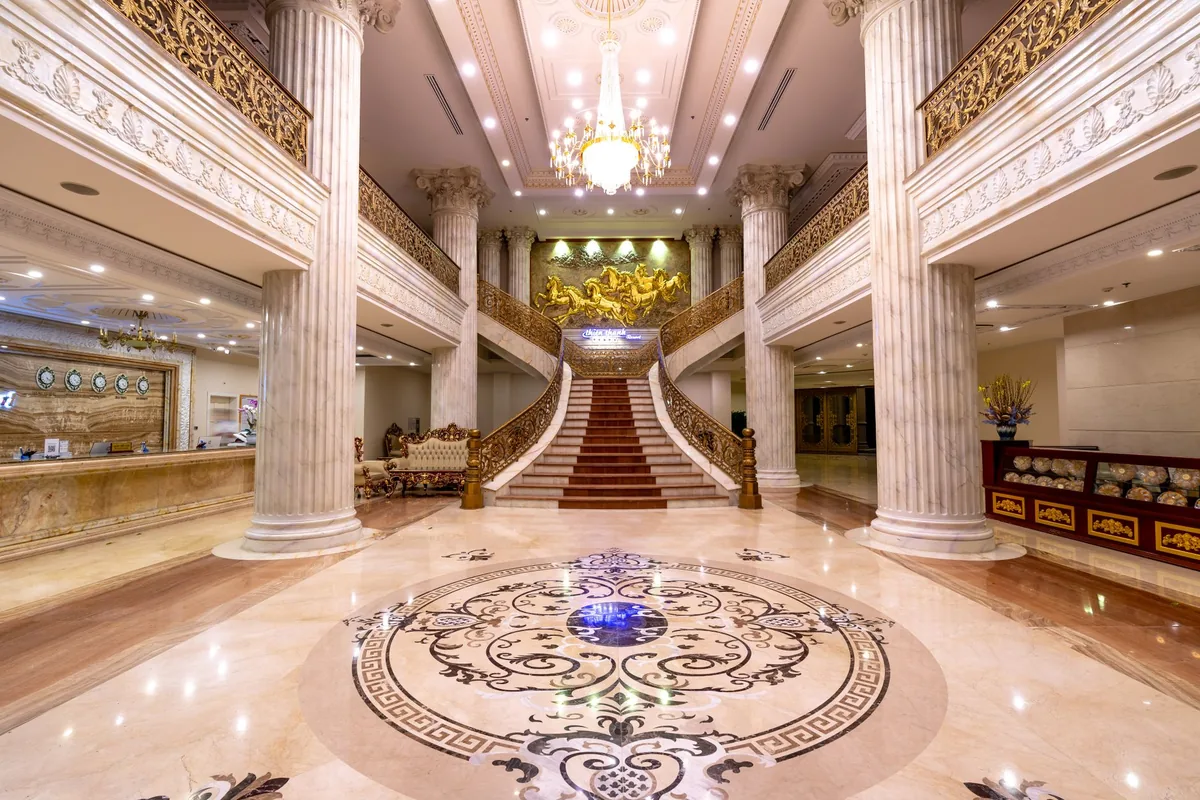
Hamburg often misses consideration from international leisure travelers despite possessing six million residents, modern architecture such as the Elbphilharmonie, clean streets, and one of Europe's largest commercial ports [1]. Global visitors frequently limit German itineraries to Munich or Berlin, compounded by regional airlift deficiencies [1]. As eHotelier reported, Fairmont Vier Jahreszeiten counteracts these distribution challenges on a nimble budget by functioning as an affable ambassador that gives discerning guests an initial reason to book [1]. The hotel transforms international perception, channeling traffic into neighborhood restaurants, harbour cruises, and cultural institutions [1].
What defines the hotel's operational approach to heritage?
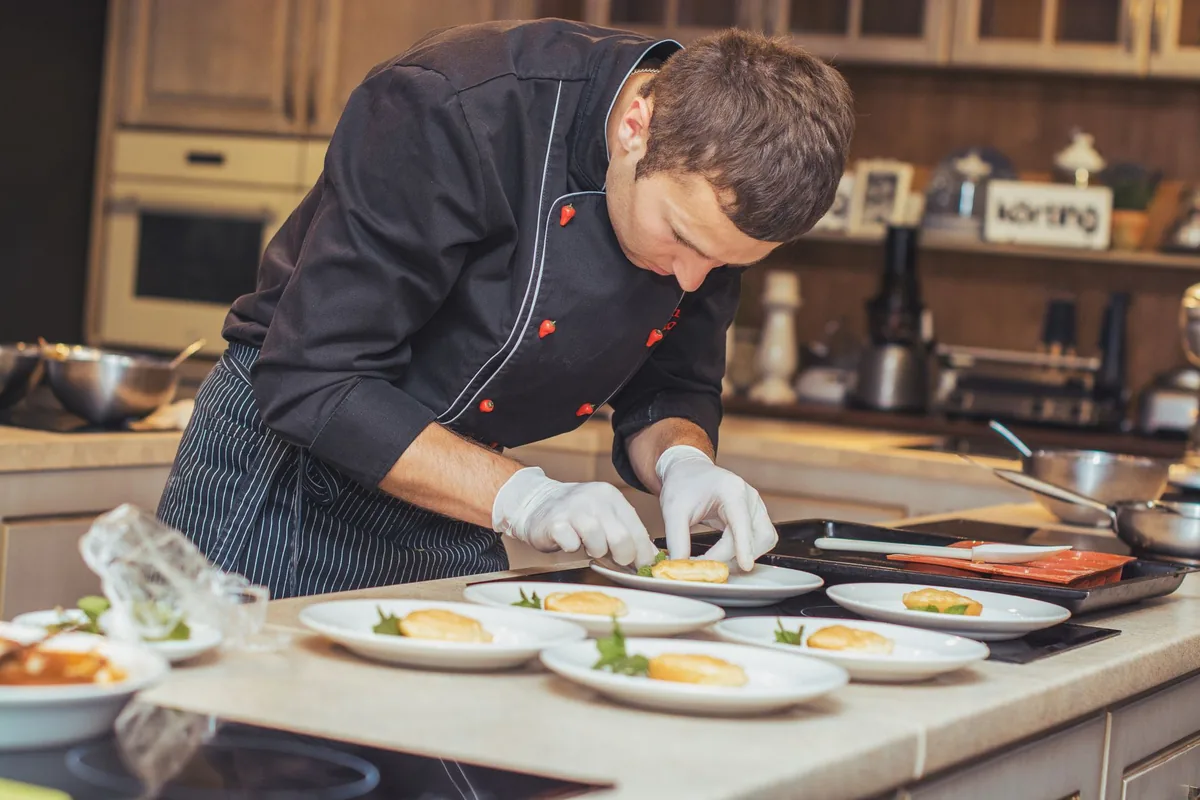
Management treats the asset as a living cultural institution rather than speculative real estate, avoiding cyclical trends every seven years [1]. According to eHotelier, this continuous stewardship preserves craftsmanship across polished brass fixtures and restored wood paneling, enabling the business to maintain premium rate integrity over competitive sets [1]. Opened in 1897, the property predates the Four Seasons Hotels & Resorts brand by 64 years, carrying an independent operational identity that resists museum-like stagnation [1].
| Property Metric | Fairmont Vier Jahreszeiten Detail |
|---|---|
| Opening Year | 1897 [1] |
| Inventory | 156 keys [1] |
| Location | Inner Alster Lake, Hamburg [1] |
| Fine Dining Accolade | Three Michelin stars (Restaurant Haerlin) [1] |
| Core Food & Beverage Concepts | Restaurant Haerlin, Nikkei Nine, Rooftop Terrace [1] |
| Brand Distinction | Fairmont Hotels & Resorts (predates Four Seasons brand by 64 years) [1] |
How does food and beverage performance support asset value?
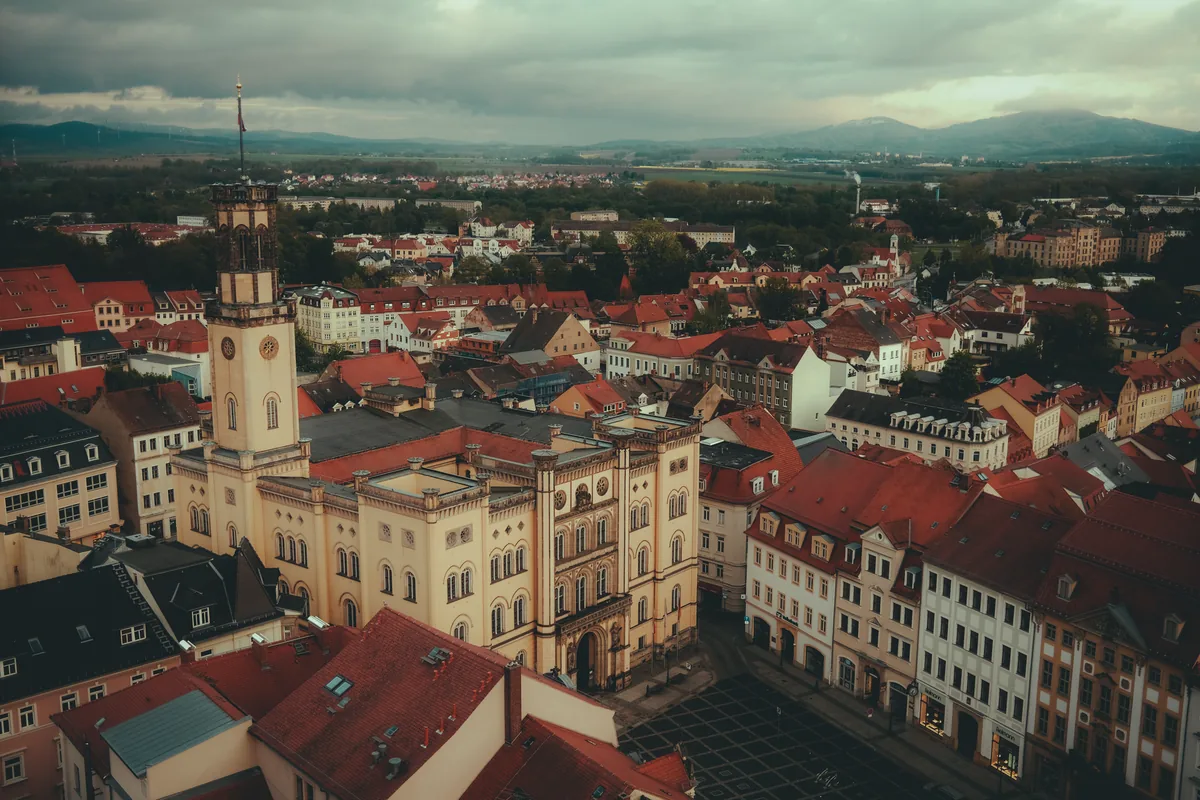
Culinary operations serve as experiential revenue drivers through distinct concepts that attract outside visitors and in-house guests alike [1]. Restaurant Haerlin provides three-Michelin-starred service with open kitchen banquette views, while Nikkei Nine captures high-volume luxury spend through Japanese-Peruvian dining [1]. Additionally, eHotelier noted that the property converted its historic rooftop into a competitive asset, pairing panoramic skyline views of the Rathaus and church spires with dedicated furniture layouts and social programming [1].
Why does single-asset hospitality matter for secondary luxury destinations?
Single destination-defining hotels can successfully reposition municipal markets faster than public destination marketing organizations [1]. While tourism authorities spend substantial public funds to rebalance European travel patterns, Fairmont Vier Jahreszeiten shows that individual luxury assets directly influence consumer destination choices [1]. The resulting guest stays lift local spending, generate return visits, and establish sustainable pricing benchmarks across the city's broader hospitality sector [1].
Reported by
This article was written from the following reporting. Follow the links for the original coverage.
- [1]Fairmont Vier Jahreszeiten Drives Hamburg Luxury Market— eHotelier
Frequently asked
+Is Fairmont Vier Jahreszeiten affiliated with Four Seasons Hotels & Resorts?
No. While Vier Jahreszeiten translates to Four Seasons in German, the hotel opened in 1897, predating the Four Seasons chain by 64 years. It operates as part of the Fairmont brand under Accor.
+How many rooms does Fairmont Vier Jahreszeiten have?
Fairmont Vier Jahreszeiten features 156 guest rooms and suites located directly along Hamburg's Inner Alster Lake.
+What fine dining options are available at Fairmont Vier Jahreszeiten?
The hotel houses Restaurant Haerlin, a three-Michelin-starred restaurant offering banquette views of the open kitchen, alongside Nikkei Nine, a premier Japanese-Peruvian concept, and an active rooftop venue.
+Why does Hamburg face challenges attracting international luxury leisure travel?
Hamburg experiences airlift deficiencies and contends with international tourist perceptions that often prioritize Berlin and Munich, leaving its maritime identity, arts scene, and business infrastructure underrepresented.
+How does the hotel's renovation model differ from standard industry practices?
Rather than undertaking disruptive design resets every seven years, the property applies continuous restoration and stewardship to original wood and brass fixtures, sustaining premium pricing power through authenticity.
Keep reading
Our reporting
More in operations