Equinox Hotels Targets CSAT and NPS Through Advanced Guestroom Sleep Engineering
By treating sleep quality as a foundational driver of customer satisfaction, Equinox Hotels is linking guest recovery directly to long-term financial performance.
The short answer
Equinox Hotels is prioritizing sleep optimization to drive Customer Satisfaction (CSAT) and Net Promoter Score (NPS). By engineering guestrooms with continuous HVAC and smart mattresses, the brand aims to protect long-term demand.
The short version
- Equinox Hotels links sleep quality directly to CSAT and NPS metrics, viewing guest recovery as a financial driver.
- Dr. Matthew Walker presented evidence that sleep is nonnegotiable for cognitive processing and decision-making.
- Eight Sleep mattresses are used in the guestrooms to maintain an ideal microclimate and track recovery metrics.
Equinox Hotels is positioning sleep optimization as a primary driver of Customer Satisfaction (CSAT) and Net Promoter Score (NPS), treating guest recovery as a fundamental business imperative. By integrating continuous HVAC systems, GRMS-controlled lighting, and specialized mattresses, the brand actively mitigates travel-induced sleep disruption to protect overall guest experience scores, which ultimately dictates future demand and financial performance [1].
How does sleep disruption impact hotel financial metrics?
Travel inherently works against the physiological recovery human bodies require, introducing stressors long before a guest arrives at the property [1]. According to eHotelier, travelers face early morning flights, delayed connections, unfamiliar beds causing the "first-night effect," and the anticipatory anxiety that precedes important meetings [1]. Because guests do not compartmentalize their hotel experience, a poor night of sleep drags down their perception of the dining, spa, and service elements [1]. eHotelier reported that failing to invest in quality sleep directly risks CSAT and NPS metrics [1]. When these scores fall, the decline ultimately impacts overall demand and key financial metrics for the property [1].
What physical room features drive the "cool, dark, quiet" standard?
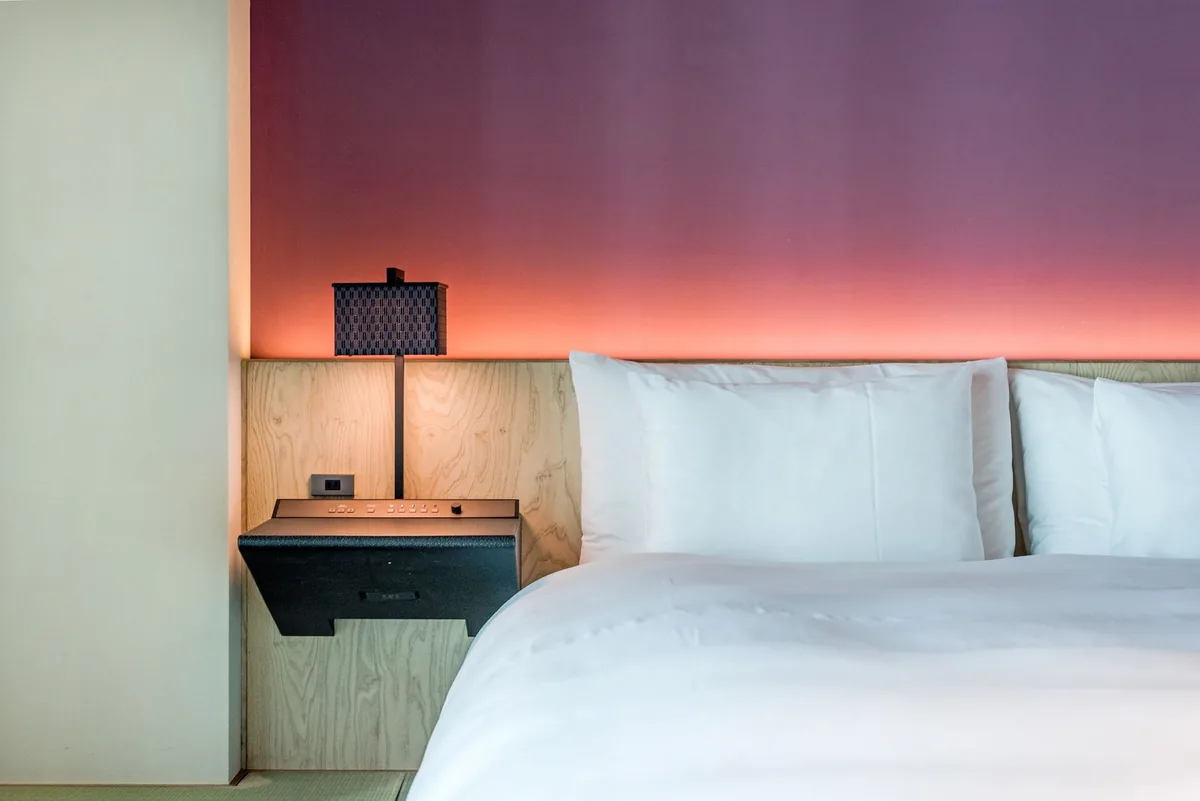
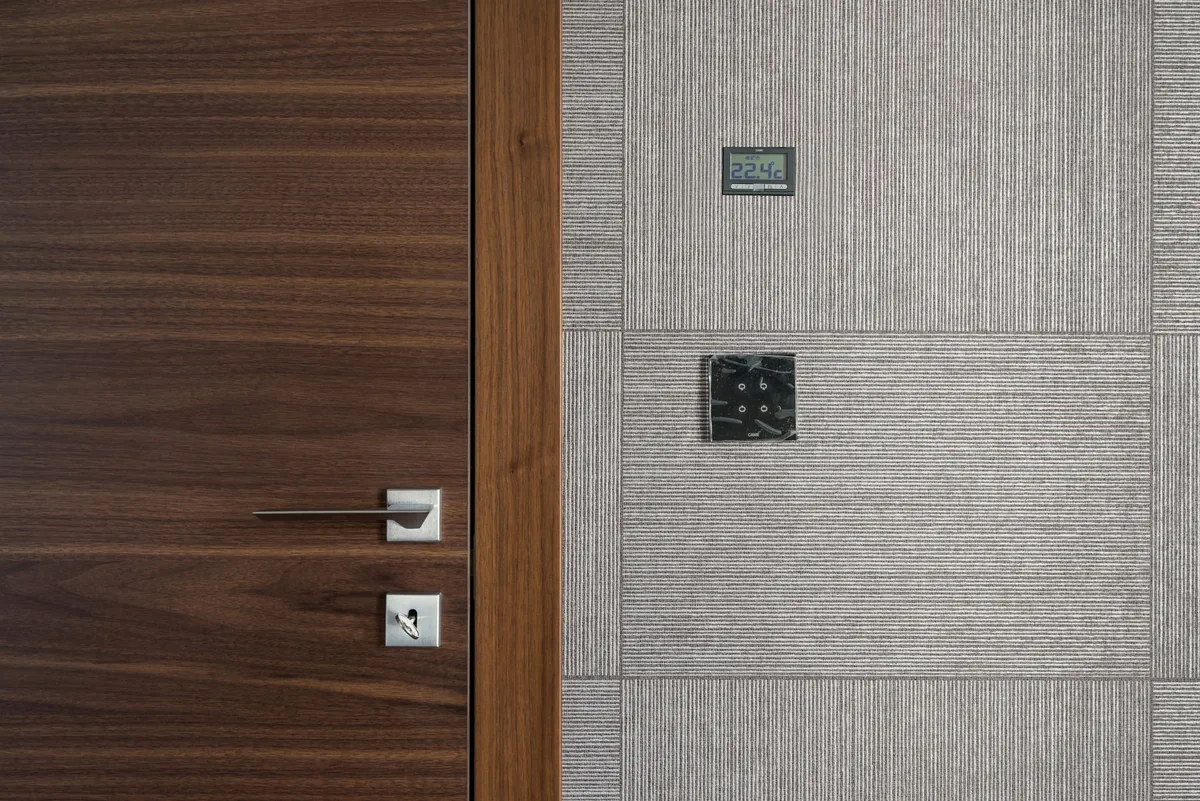
Equinox Hotels embeds its sleep philosophy invisibly into the physical design of the guestroom, branding its fundamental approach as "cool, dark, quiet" [1]. The properties utilize indirect, intuitive guestroom lighting that guests control easily from a bedside guestroom management system (GRMS) [1]. Air systems run continuously to eliminate the start-stop noise that frequently wakes sleeping guests [1]. Motorized blackout shades block outside light intrusion, while individualized temperature controls allow for specific comfort settings [1]. Furthermore, the brand equips rooms with Eight Sleep mattresses [1]. These beds maintain an ideal sleep microclimate throughout the night while actively monitoring sleep efficiency and recovery metrics [1]. The goal is for these technologies to disappear into the background rather than feeling like a clinical laboratory environment [1].
How does "orthosomnia" change the way hotels should approach wellness?
While consumers have increasing access to wearables and recovery metrics, the pursuit of perfect sleep often becomes counterproductive [1]. At the third annual Global Sleep Symposium (GSS) held on June 4, 2026, at the Equinox Hotel New York in Hudson Yards, sleep scientist and former Navy SEAL Dr. Kirk Parsley highlighted the Pareto principle regarding sleep tracking [1]. He pointed to "orthosomnia," a term describing the anxiety caused by obsessing over sleep scores [1]. For hotel operators, this means guests do not need an overwhelming array of tracking gadgets; instead, they require properties that reliably execute the basic environmental fundamentals to remove friction from the recovery process [1].
What operational lessons apply from cognitive performance science?
During the GSS event, experts connected sleep directly to high-level cognitive and physical performance. Dr. Matthew Walker, author of the 2018 book "Why We Sleep," presented evidence that sleep is fundamentally nonnegotiable for athletic performance, immune function, injury recovery, cognitive processing, creativity, and decision-making [1]. eHotelier noted that for corporate travelers, better sleep contributes to stronger judgment, improved collaboration, and fewer workplace mistakes [1]. Additionally, Dr. Eric Potterat, author of "Learned Excellence," outlined a framework of "Attitude, Effort, Actions" for focusing on controllables during periods of stress [1]. Because travel introduces uncontrollable variables like weather events and logistical errors, the hotel's operational role is to minimize as many variables as possible and act as empathetic hosts [1].

What is a "nappuccino" and why does it appeal to luxury travelers?
Hospitality is seeing a shift toward performance optimization, particularly among luxury travelers who want accommodations that support their pursuit of excellence [1]. One tactic discussed at the symposium was the "nappuccino" or "coffee nap" [1]. This involves consuming caffeine immediately before taking a short 15-to-20-minute nap [1]. Because caffeine generally takes about 17 minutes to begin affecting the brain, the nap concludes exactly as the stimulant takes effect [1]. This produces a powerful combination of recovery and alertness, appealing to travelers looking for biohacking methods to maintain their edge on the road [1].
How does the bedroom environment support broader relationship wellness?
Beyond sleep, the hotel guestroom serves another primary function, which the symposium addressed directly. Dr. Emily Morse, a sex therapist and author, participated in the panel to discuss the integral connection between the bedroom environment, sleep, and relationships [1]. While the source text cuts off before detailing her specific framework, her inclusion at the event underscores that hotels must view the guestroom as a holistic space for all aspects of human recovery and connection [1].
| Guestroom Feature | Sleep Function |
|---|---|
| Continuous Air Systems | Eliminates start-stop HVAC noise that causes waking |
| Bedside GRMS | Allows intuitive control of indirect lighting |
| Motorized Blackout Shades | Removes outside light intrusion |
| Eight Sleep Mattress | Maintains microclimate and monitors recovery metrics |
Reported by
This article was written from the following reporting. Follow the links for the original coverage.
- [1]Equinox Hotels Promotes Sleep Quality to Drive CSAT— eHotelier
Frequently asked
+When did Equinox Hotels host the Global Sleep Symposium?
Equinox Hotels hosted the third annual Global Sleep Symposium on June 4, 2026, at the Equinox Hotel New York in Hudson Yards [[1]].
+What is the Equinox Hotels standard for guestroom sleep?
The brand focuses on delivering a "cool, dark, quiet" environment by reliably executing fundamental environmental controls rather than creating a clinical laboratory setting [[1]].
+How does Equinox handle guestroom HVAC noise?
The hotel utilizes air systems that operate continuously, which eliminates the start-stop noise that frequently disturbs sleeping guests [[1]].
+What is 'orthosomnia'?
Orthosomnia is a term for the anxiety caused by obsessing over sleep scores, often triggered by the increasing use of sleep trackers and wearables [[1]].
+What is a 'nappuccino'?
A nappuccino involves drinking caffeine right before a 15-to-20-minute nap. The caffeine takes about 17 minutes to affect the brain, allowing the guest to wake up just as the stimulant begins working [[1]].
Keep reading
Our reporting


More in operations