Front Desk Elimination: How Boutique Hotels Cut Costs
Independent operators are replacing front desks with mobile PINs and remote concierges, saving up to $200,000 annually while software vendors face new scrutiny.
The short answer
Boutique hotels are eliminating front desks by implementing automated PIN codes, cloud property management software, and remote concierge teams. This operational shift saves independent properties hundreds of thousands of dollars in payroll while speeding up guest arrivals.
The short version
- Foreside Inn saves approximately $200,000 annually by replacing on-site receptionists with remote concierge technology.
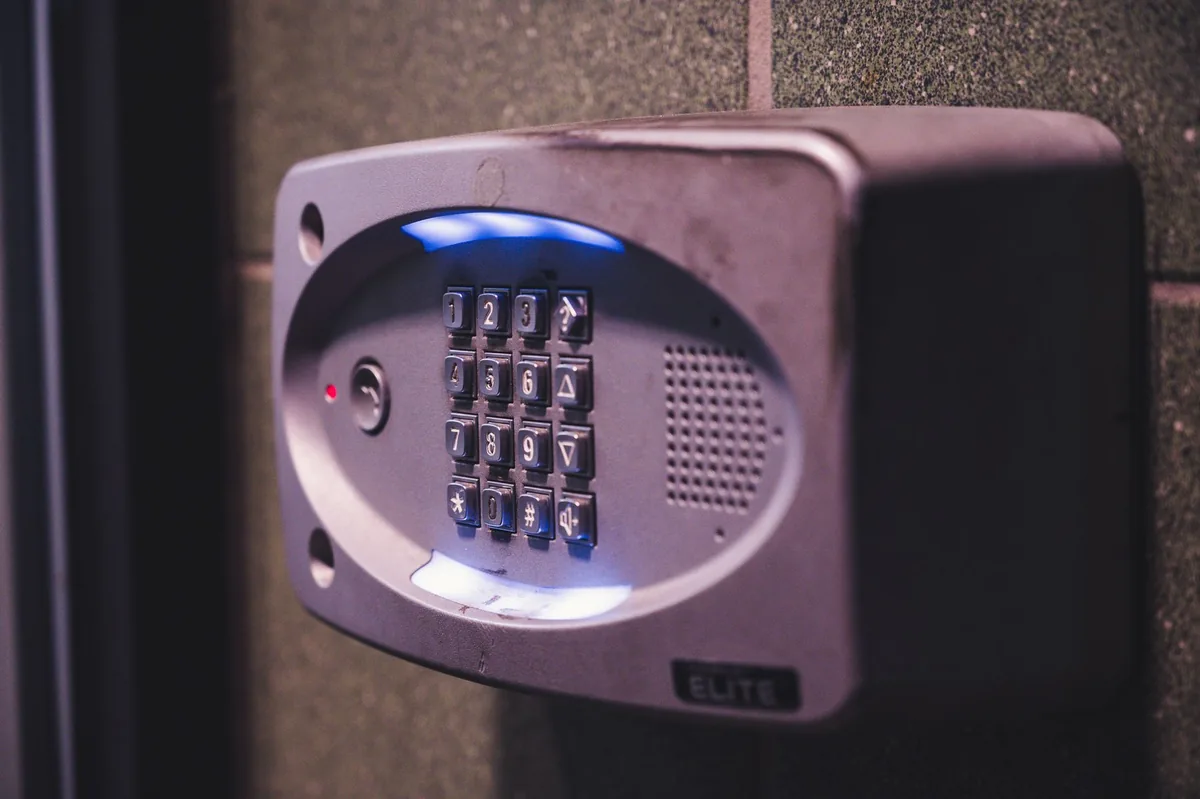
- Goki and Mews integrate to issue time-sensitive PIN codes directly to guests, bypassing physical check-in desks.
- Canary Technologies ranks as the top alternative to SALTO Systems for keyless entry software, starting at $300 per month.
Hotels are eliminating traditional front desks by pairing property management systems with automated keyless access hardware, digital PIN codes, and off-site guest communication teams [1]. Rather than staffing a physical counter, boutique operators issue personalized door codes and handle concierge requests through text messaging, cutting hundreds of thousands of dollars in payroll while guests bypass reception [1].
How does a hotel operate without front-desk staff?
A hotel operates without a physical reception counter by combining keyless door hardware, cloud property management software, and remote guest messaging [1]. At the 24-room Foreside Inn in Kittery, Maine, guests do not encounter a check-in queue upon arrival, according to Hotel Dive [1]. Instead, the property issues each guest a temporary, personalized PIN code that grants entry to the building and their individual guestroom throughout their stay [1].
Hardware and programming for the Foreside Inn are supplied by Australia-based lock manufacturer Goki, which automatically generates a random PIN code for the duration of each reservation [1]. That system communicates directly with Mews, the property management software handling the inn's core operations [1]. General manager Christina Lehmann confirmed that the hotel installs security cameras across common areas to maintain property monitoring and safety in place of physical receptionists [1].
What technology stack replaces reception interactions?
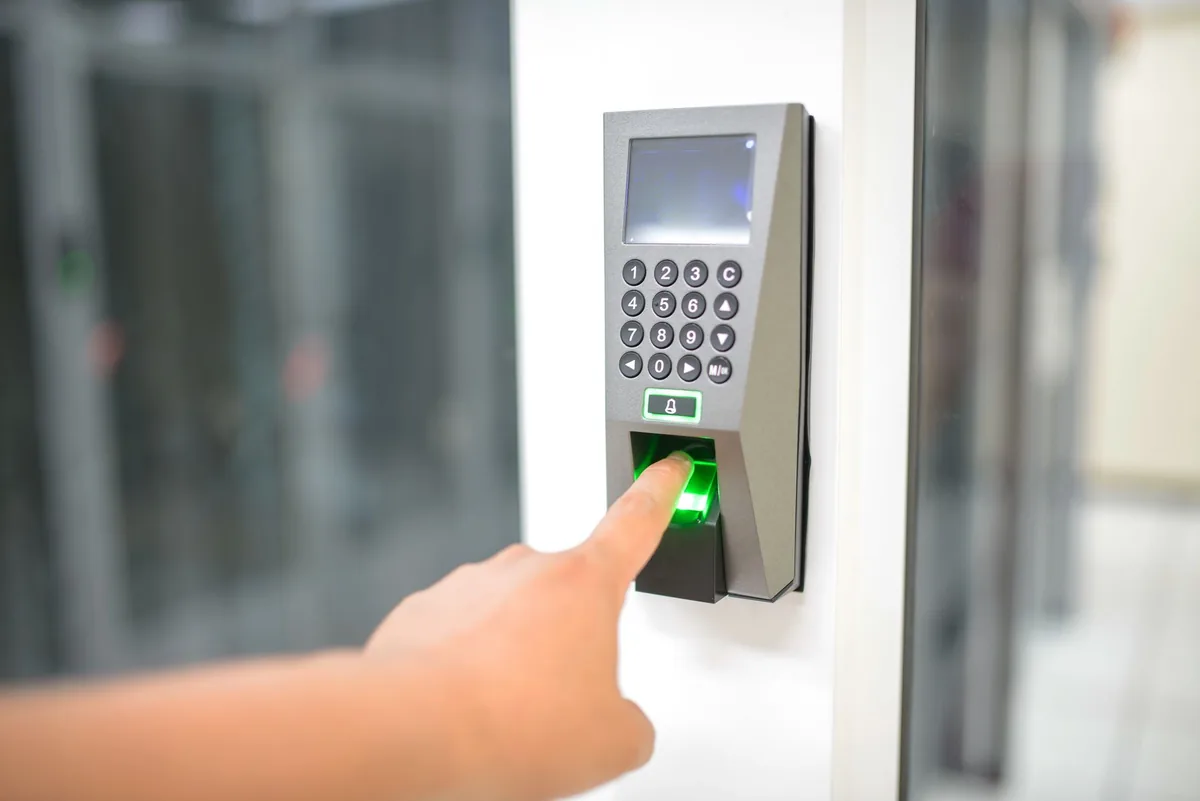
Front-desk interactions are replaced through a tech stack consisting of cloud property management software, automated text messaging, smart door hardware, and digital checkout links [1]. When Foreside Inn guests have inquiries during their stay, communication runs through a 24/7 digital concierge service reachable by text message or phone call [1]. That off-site messaging operation uses Akia, an artificial intelligence platform run by a four-person remote team [1].
On departure morning, the inn texts guests a checkout link, removing the conventional lobby line [1]. Meanwhile, hotel tech market data shows growing interest in guest access software [2]. According to Hotel Tech Report, software provider Canary Technologies ranks as the top alternative to traditional lock and hardware provider SALTO Systems, with entry-level pricing starting at $300 per month [2]. Verified hoteliers reviewing access tools on Hotel Tech Report emphasize that access systems must connect directly with property management software without workarounds to prevent labor inefficiencies [2].
| Property or Vendor | Rooms / Metric | Core Technology / Hardware | Staffing / Pricing Structure |
|---|---|---|---|
| Foreside Inn (Kittery, ME) | 24 rooms | Goki PIN door locks, Mews PMS, Akia AI messaging | Remote concierge team, GM, marketing manager, housekeepers [1] |
| Rockport House (Rockport, MA) | 18 rooms | Remote concierge and direct access systems | Managed under shared remote concierge model [1] |
| Canary Technologies | Market alternative | Hotel keyless entry and guest management software | Starts at $300/month [2] |
| SALTO Systems | Hardware vendor | Electronic access control and IP66 locks | Per-room or custom enterprise pricing [2] |
How much payroll can independent operators save?
Independent boutique operators can cut around $200,000 annually by eliminating on-site front-desk agents [1]. Foreside Inn owner Taylor McMaster stated that his 24-room inn saves that sum each year compared to conventional front-desk staffing requirements [1]. The on-site payroll remains limited to housekeepers, a general manager, and a marketing manager [1].
Rather than maintaining separate teams for each location, McMaster deploys a single four-person remote group to field guest inquiries across both the Foreside Inn and the 18-room Rockport House in Rockport, Massachusetts [1]. McMaster explained that remote staffing allows management to scale guest responses up and down across multiple addresses instead of paying front-desk workers to sit unengaged during quiet hours [1]. Those operational savings let the property set peak-season room rates starting at $199 per night, whereas competing hotels in Kittery charge closer to $300 [1].

What limitations exist when eliminating the front desk?
Eliminating physical reception desks works well in properties under 50 rooms, but owner Taylor McMaster noted the structure does not work on 100-room properties because overhead costs become too high [1]. Smaller boutique hotels can redirect overhead savings into high-end mattresses, luxury bathroom products, and prime walkable locations, but operational complexity shifts entirely to technology reliability [1].
When access hardware fails, guest friction increases rapidly [2]. Verified hotelier reviews published by Hotel Tech Report highlight operational breakdowns with legacy hardware, citing zero-star ratings for SALTO Systems regarding unresponsive support and unresolved issues with IP66 exterior locks [2]. Hoteliers on the platform warned that keyless entry tools must provide dependable 2:00 AM emergency support, clear pricing that does not punish properties as room counts rise, and software that onboards quickly without dense manuals [2].
Can hotels deliver personalized service without a lobby counter?
Hotels deliver personalized service without a front desk by sending proactive text messages and executing off-site guest deliveries [1]. General manager Christina Lehmann emphasized that removing the physical desk does not mean abandoning attentive hospitality [1]. At the Foreside Inn, the remote concierge team tracks guest occasions, sending birthday greetings by text message and leaving cards in the room prior to arrival [1].
Lehmann also shared an instance at the Rockport House where an off-site team handled an emergency for a family traveling with a newborn baby [1]. When the parents realized they had forgotten essential newborn supplies, Lehmann coordinated a remote delivery from Walmart directly to the property [1]. Lehmann noted that keeping remote operations hospitable requires structured communication among off-site workers and on-site housekeeping teams to prevent service gaps [1].
Reported by
This article was written from the following reporting. Follow the links for the original coverage.
- [1]Maine Boutique Hotel Replaces Front Desk with Digital Tech— Hotel Dive
- [2]Canary Leads as Top SALTO Systems Alternative— Hotel Tech Report
Frequently asked
+How do guests enter their rooms without a front desk?
Guests receive an automated, randomly generated one-time PIN code via text or digital communication for their reservation dates. The code grants entry to both exterior hotel doors and their individual guestrooms through integrated electronic lock systems like Goki.
+What software powers a front-desk-free hotel?
Operators integrate cloud property management systems such as Mews with digital key providers like Goki or Canary Technologies. Guest communication is handled remotely via AI messaging platforms like Akia, which manage inquiries and send checkout links via SMS.
+How much money does a virtual front desk save?
For a 24-room boutique hotel, shifting to a remote concierge model and eliminating front-desk shifts can save approximately $200,000 per year compared to traditional hotel staffing models, according to property owner Taylor McMaster.
+Can front-desk elimination work at large full-service resorts?
According to operator Taylor McMaster, the remote concierge model is not designed for 100-room properties because overhead costs become too high. The structure provides the most economic value for smaller boutique properties under 50 rooms.
+What on-site staff remain when a front desk is removed?
Properties operating without a reception desk still maintain an on-site operational crew, including housekeeping personnel, a general manager, and marketing personnel, while guest reception and telephone inquiries transition to off-site teams.
+What are common risks when adopting keyless entry systems?
Hoteliers reviewing vendors on Hotel Tech Report highlight poor vendor customer service, lack of emergency 2:00 AM technical support, faulty exterior lock hardware such as IP66 models, and poor PMS integration as major operational risks.
Keep reading
Our reporting
More in operations