Concord Hospitality Sets Rules for Hotel Dining ROI
Dean Wendel explains how Concord Hospitality uses local diners, chef collaborations, and four mandatory zero-proof drinks to build F&B margins.
The short answer
Concord Hospitality evaluates hotel food and beverage concepts by measuring local neighborhood demand and testing incremental margin growth. The operator requires at least four zero-proof cocktail options and converts chef pop-ups into guest data capture channels.
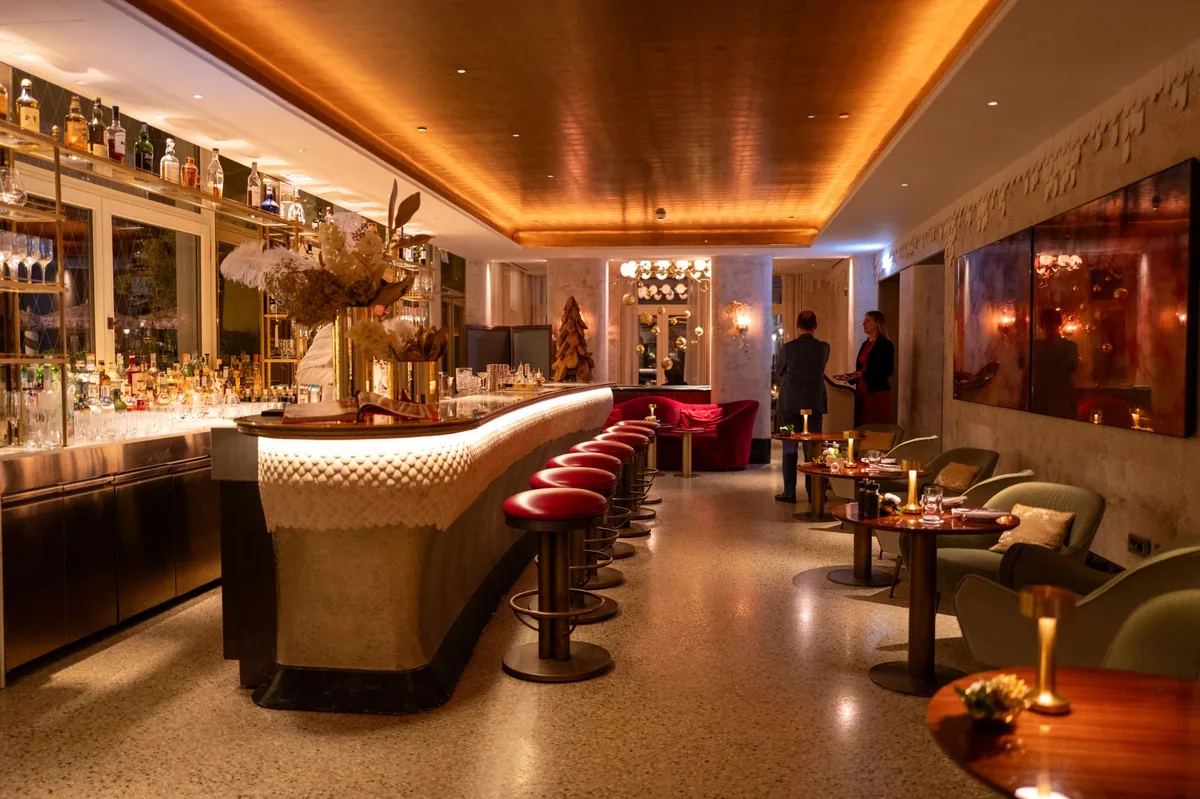
“The first question should be: Is this concept needed in the market, and can it be supported by local diners? These concepts are often driven more by local and pedestrian traffic than by hotel guests.”
The short version
- Concord Hospitality tests new F&B concepts against neighborhood foot traffic before considering hotel guest capture.
- Dean Wendel mandates at least four thoughtfully designed zero-proof cocktails on all beverage menus.
- Lodging Magazine reports that chef collaborations must capture guest email details to generate measurable repeat visits.
Concord Hospitality drives hotel food and beverage performance by designing concepts around local street traffic rather than in-house guests alone [1]. According to Lodging Magazine, the management company works backward from market demand, requiring venues to protect margins, mandate a four-drink zero-proof minimum, and turn temporary chef activations into direct guest marketing data [1].
How do operators test whether an elevated F&B concept will make money?
Hotel operators must determine whether the surrounding local market actually needs the proposed dining concept before committing capital [1]. Dean Wendel, vice president of food & beverage at Concord Hospitality, stated to Lodging Magazine that these venues rely primarily on pedestrian and neighborhood traffic rather than hotel guests [1]. Concord Hospitality works backward during the planning stage to assess whether neighborhood demographics can sustain the venue [1]. The analysis measures whether operating margins will show incremental improvement over a standard baseline [1]. Furthermore, planners must verify that the dining concept actively supports room sales and enhances the hotel's group meetings and events pipeline [1].
What operational habits turn a hotel dining room into a destination?
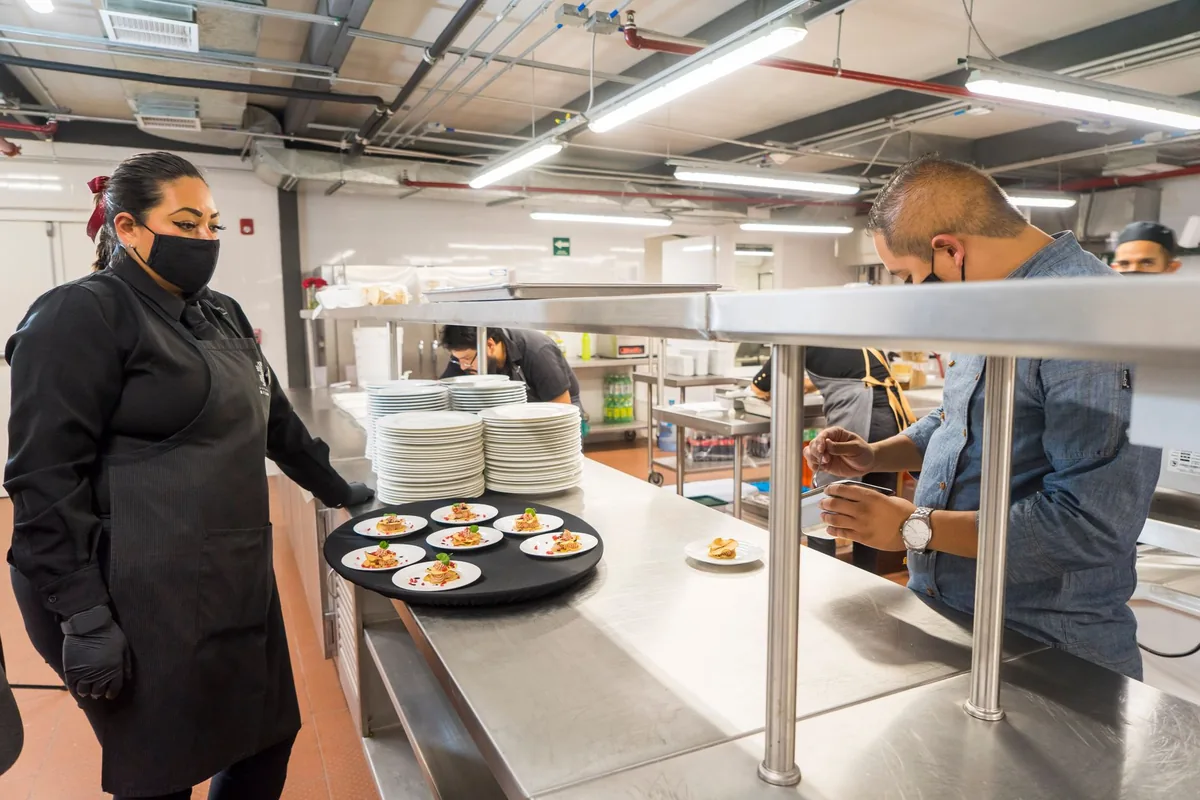
Destination dining requires consistent discipline across service execution rather than relying on initial opening buzz [1]. Wendel noted in Lodging Magazine that while opening a property brings natural fanfare and energy, the real operational test arrives two to four months later [1]. At that milestone, a property might face 50 percent staff turnover alongside the departure of management personnel [1]. Continuous staff training and structured career development keep teams engaged through these periods [1]. Beyond operations, ownership must fund an active calendar of events, execute hosted activations, and maintain ongoing PR and social media campaigns [1]. Staff presence at local events and community volunteer work build neighborhood visibility [1].
| Operational Focus | Core Requirement | Long-Term Business Objective |
|---|---|---|
| Market Evaluation | Assess pedestrian and local demand before guest capture [1] | Ensure incremental margin improvement and room sales support [1] |
| Staff Retention & Training | Maintain service steps through month 2 to 4 turnover [1] | Deliver service consistency after opening excitement fades [1] |
| Hyper-Local Sourcing | Feature producers by name; use items in supporting roles [1] | Build supplier loyalty and justify premium guest pricing [1] |
| Culinary Collaborations | Collect diner contact details and offer room packages [1] | Convert visiting local diners into repeat customer accounts [1] |
| Zero-Proof Beverage Program | Provide minimum of 4 items with shrubs, bitters, and tinctures [1] | Capture non-drinker spend below $14 to $16 juice margins [1] |
How can properties source locally without sacrificing operating margins?
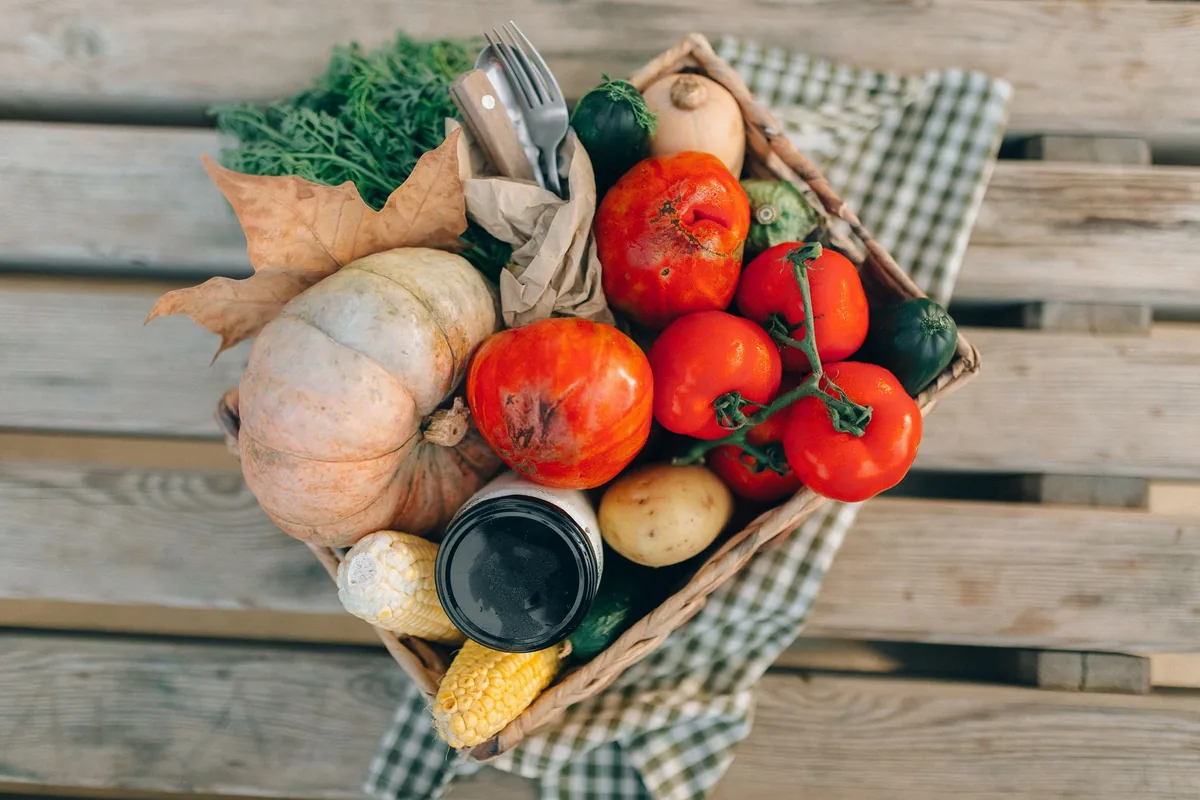
Local purchasing only justifies higher procurement expenses when the product delivers superior quality or offers a clear narrative such as sustainable farming practices [1]. Guests accept premium prices when the menu provides an authentic reason for the expense [1]. Lodging Magazine reported that restaurants should name specific farmers and fishmongers directly on printed menus [1]. Concord Hospitality works across multiple independent purveyors to establish working partnerships [1]. Suppliers provide better cuts and harvests when their personal names are tied to public dishes [1]. Furthermore, operators do not need to place costly local products exclusively as centerpiece proteins; incorporating them into supporting elements across the plate protects margins while maintaining menu authenticity [1]. General managers can also invite local growers to stay and dine on property to strengthen supplier relationships [1].
How can chef collaborations produce measurable revenue?
Pop-up events and guest kitchen takeovers must yield contact records to create lasting enterprise value [1]. Wendel explained that operators must capture diner email addresses and guest details during every promotional event [1]. Partnerships work best when the visiting chef or mixologist brings a distinct following to introduce new local diners to the room [1]. Formats such as culinary battles or mixologist pop-ups pull outside patrons into the property [1]. The hotel sales department can package these activations with room nights, morning breakfast, or complimentary parking [1]. Properties should distribute event swag bags so attendees feel recognized while creating lasting brand recall [1].
What standards govern a profitable zero-proof cocktail program?
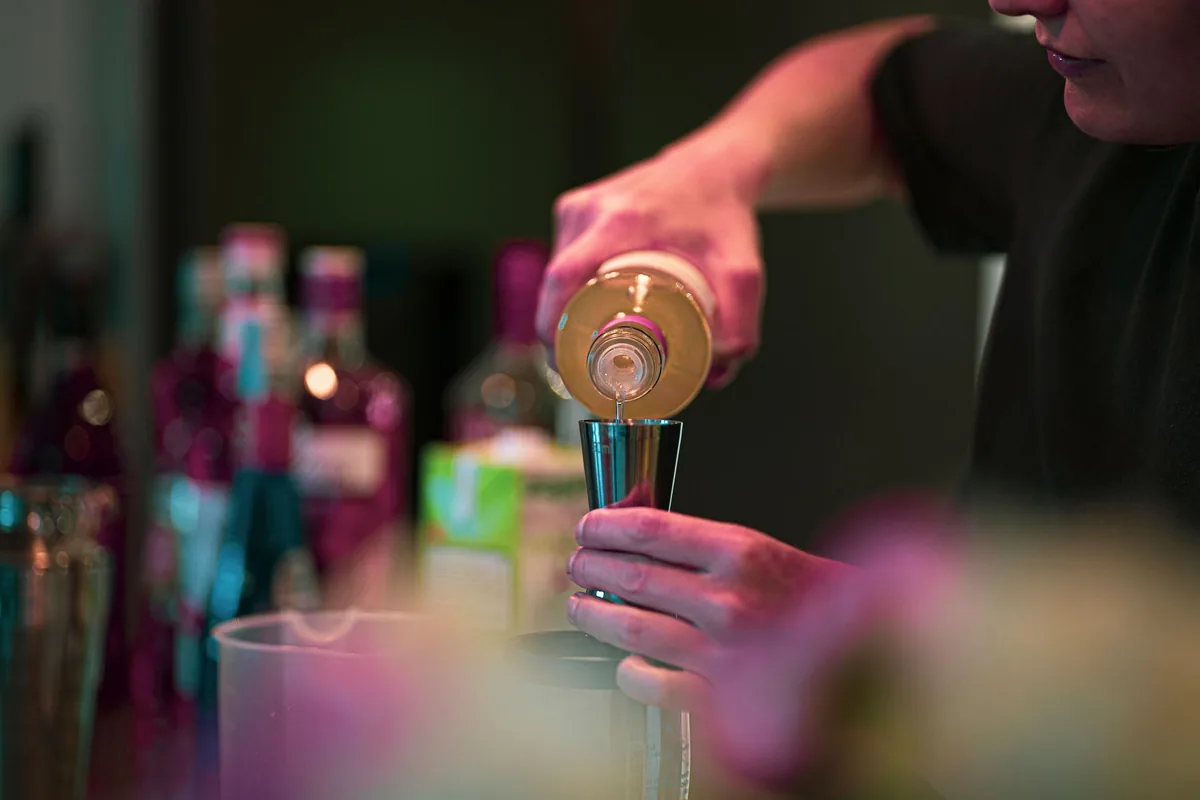
Every beverage menu across Concord Hospitality properties must carry at least four zero-proof drink options [1]. These selections appear either alongside standard spirits or inside specialized menu sections titled "No & Low" or "Alternative Beverages," which may also include regulated CBD or THC items where local laws permit [1]. Operators must price non-alcoholic cocktails using standard recipe cost models rather than arbitrary margins [1]. Wendel cautioned operators against charging $14 to $16 for drinks made with syrupy juices, as diners recognize inflated pricing and will decline to return [1]. Instead, beverage teams should incorporate tinctures, bitters, and shrubs into complex builds [1]. Service staff need rigorous training to present zero-proof options confidently rather than positioning them as inferior substitutes [1].
Reported by
This article was written from the following reporting. Follow the links for the original coverage.
- [1]Concord Hospitality Outlines Strategy for Hotel F&B— Lodging Magazine
Frequently asked
+How does Concord Hospitality validate a new hotel dining concept?
Concord Hospitality evaluates whether the surrounding market and pedestrian foot traffic can sustain the venue independently of overnight guests. The company works backward to ensure margins improve incrementally and verifies whether the concept will help drive hotel room sales and banquet bookings.
+What operational challenge occurs months after a restaurant opening?
Venues often face up to 50 percent staff turnover alongside management departures two to four months after launch. Concord Hospitality counters this drop-off by maintaining continuous staff training, sharing operational expertise, and reinforcing foundational service steps to ensure consistency after opening fanfare fades.
+How should hotel restaurants balance hyper-local sourcing costs?
Operators should source locally only when quality is noticeably higher or supported by a clear narrative like sustainable farming. Concord Hospitality uses local items in supporting roles rather than solely as centerpiece ingredients, and names specific farmers on menus to build authentic supplier partnerships.
+What data should hotels collect from chef collaborations?
Hotels hosting guest chef events or mixologist pop-ups must collect attendee contact details and build their marketing email lists. Capturing guest records allows properties to market future visits and turn one-time event attendees into regular repeat diners.
+What are Concord Hospitality's rules for zero-proof beverage menus?
Concord Hospitality mandates a minimum of four zero-proof drinks on every beverage list. Drinks must use craft ingredients like shrubs and tinctures instead of sugary juices, carry recipe-based pricing below $14 to $16, and receive equal recommendation training from floor staff.
Keep reading
Our reporting

More in operations