APAC Hotel Deals Hit $17B as Conversions Replace New Builds
Transactions rose 52% in 2025 as buyers avoided high construction costs by acquiring existing properties.
The short answer
Asia Pacific hotel transactions expanded 51.9% to reach $17.0 billion in 2025 as elevated construction costs caused investors to focus on acquisitions and conversions. While luxury pricing jumped 24% to $585,000 per key, midscale and economy properties drove the bulk of market activity.
“In many markets, buying an existing hotel and improving or converting it makes considerably more sense than building a new one. The high proportion of midscale and upscale transactions reflects this reality. At current construction and financing costs, there are very few segments where the economics of a new build work, and luxury is increasingly the only part of the market where room rates can justify that investment.”
The short version
- USD 17.0 billion was invested in Asia Pacific hotels in 2025, representing a 51.9% year-on-year increase.
- Singapore was the most expensive market overall at USD 656,000 per key, while Australia topped luxury pricing at USD 673,000 per key.
- Japan recorded 92 transactions in 2025, with midscale and economy properties representing 90 of its 122 deals through mid-2026.
Asia Pacific hotel transaction volume climbed 51.9% to USD 17.0 billion in 2025, up from USD 11.2 billion in 2024, as buyers turned away from ground-up development [1]. High financing rates, costly building materials, labor shortages, and site scarcity pushed institutional capital toward acquiring, repositioning, and converting existing operational properties across major gateway markets [1].
Why did hotel transaction volumes surge across APAC?
Buyers favored acquisitions over new construction because the financial formulas for ground-up developments collapsed under high interest rates and soaring construction expenses, according to eHotelier [1]. Global Asset Solutions reported in its APAC Hotel Transactions and Market Outlook FY 2025 and H1 2026 that development timelines and supply chain issues made new builds hard to justify for investor return targets [1]. Consequently, capital pivoted into existing properties that could be refurbished, rebranded, or repositioned [1].
Which hotel tiers captured the most investment capital?
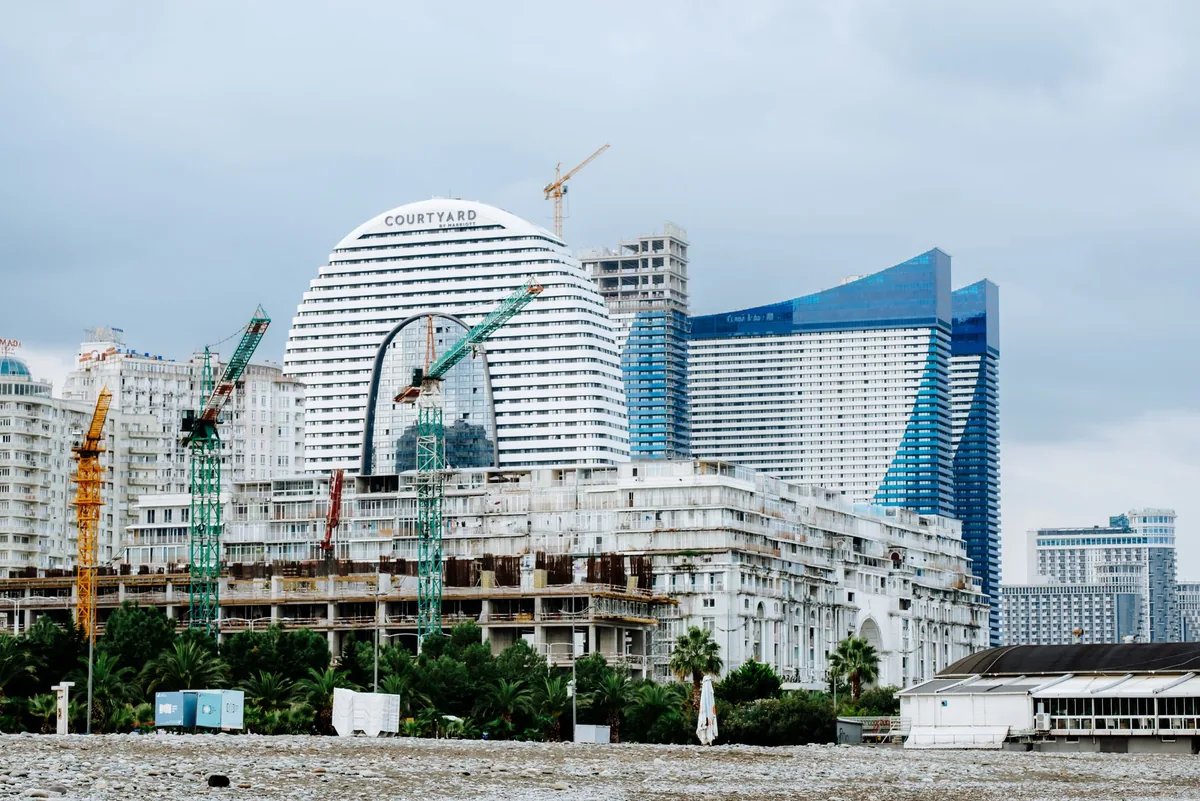
Upscale, midscale, and economy properties made up the bulk of transaction volume, while the luxury segment contracted sharply in volume share [1]. Luxury properties represented 41.1% of deal volume in 2024 but dropped to 16.1% in 2025 [1]. Despite this volume decline, luxury pricing jumped 24% to an average of roughly USD 585,000 per key because limited new supply supported room rates [1]. As Global Asset Solutions CEO Alex Sogno explained, luxury remains virtually the only tier where room rates can offset current construction and debt costs, leaving midscale and upscale transactions to dominate total volume [1].
| Market / Metric | 2024 Baseline | 2025 Performance | Key Asset Examples / Details |
|---|---|---|---|
| Total APAC Deal Volume | USD 11.2 billion | USD 17.0 billion | 51.9% year-on-year increase across the region [1] |
| Luxury Share of Total Deals | 41.1% | 16.1% | Pricing rose 24% to ~USD 585,000 per key [1] |
| Singapore (Overall Average) | N/A | ~USD 656,000 per key | Upscale averaged ~USD 636,000 per key [1] |
| Singapore Luxury Single Sale | N/A | ~USD 701,000 per key | 634-room JW Marriott Hotel Singapore South Beach [1] |
| Australia Luxury Average | N/A | ~USD 673,000 per key | Park Hyatt Melbourne, The Ritz-Carlton Perth [1] |
| Japan Deal Count | N/A | 92 transactions (2025) | 90 of 122 deals to June 2026 were midscale/economy [1] |
Where did per-key valuations climb the highest?
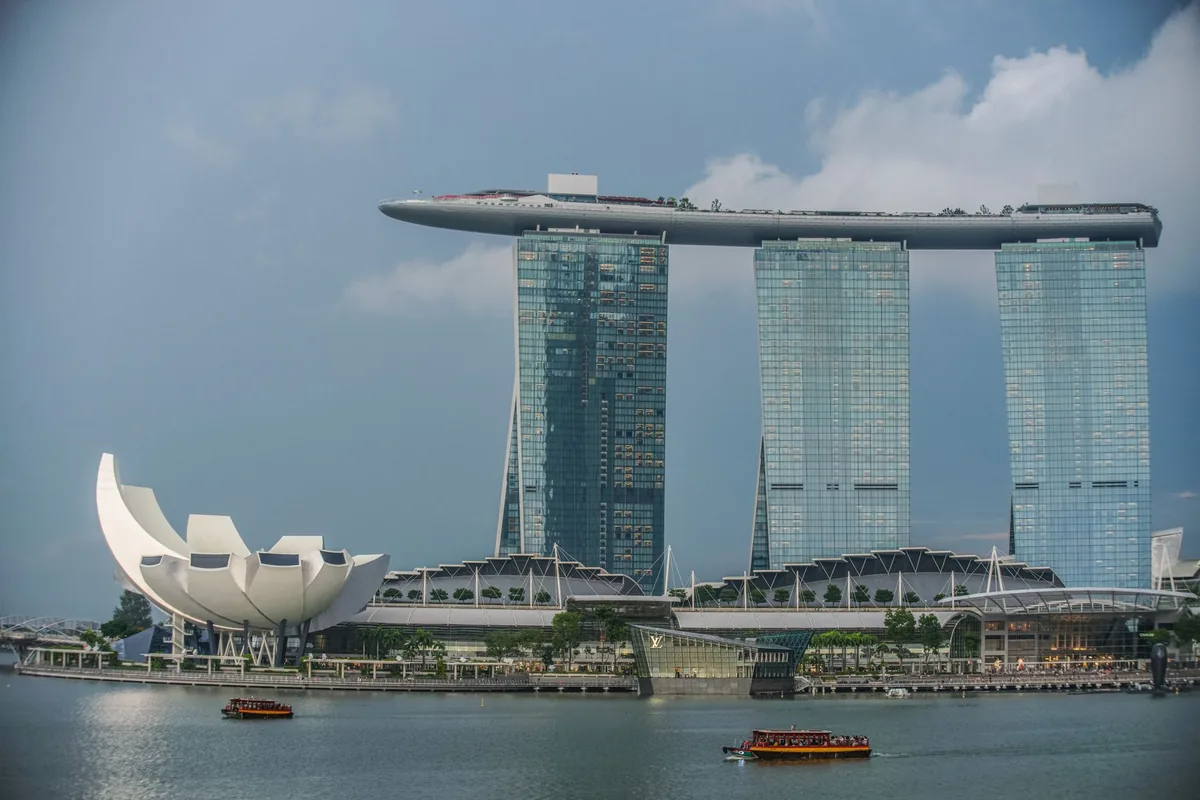
Australia registered the highest luxury valuations among the featured destinations at approximately USD 673,000 per key, backed by trades including the Park Hyatt Melbourne and The Ritz-Carlton Perth, as outlined by Global Asset Solutions [1]. Singapore was the most expensive overall hotel market, averaging approximately USD 656,000 per key across all tiers [1]. In Singapore, upscale hotels traded near USD 636,000 per key, while the 634-room JW Marriott Hotel Singapore South Beach commanded nearly USD 701,000 per key [1].
How are regional destination dynamics shifting under new supply pressures?
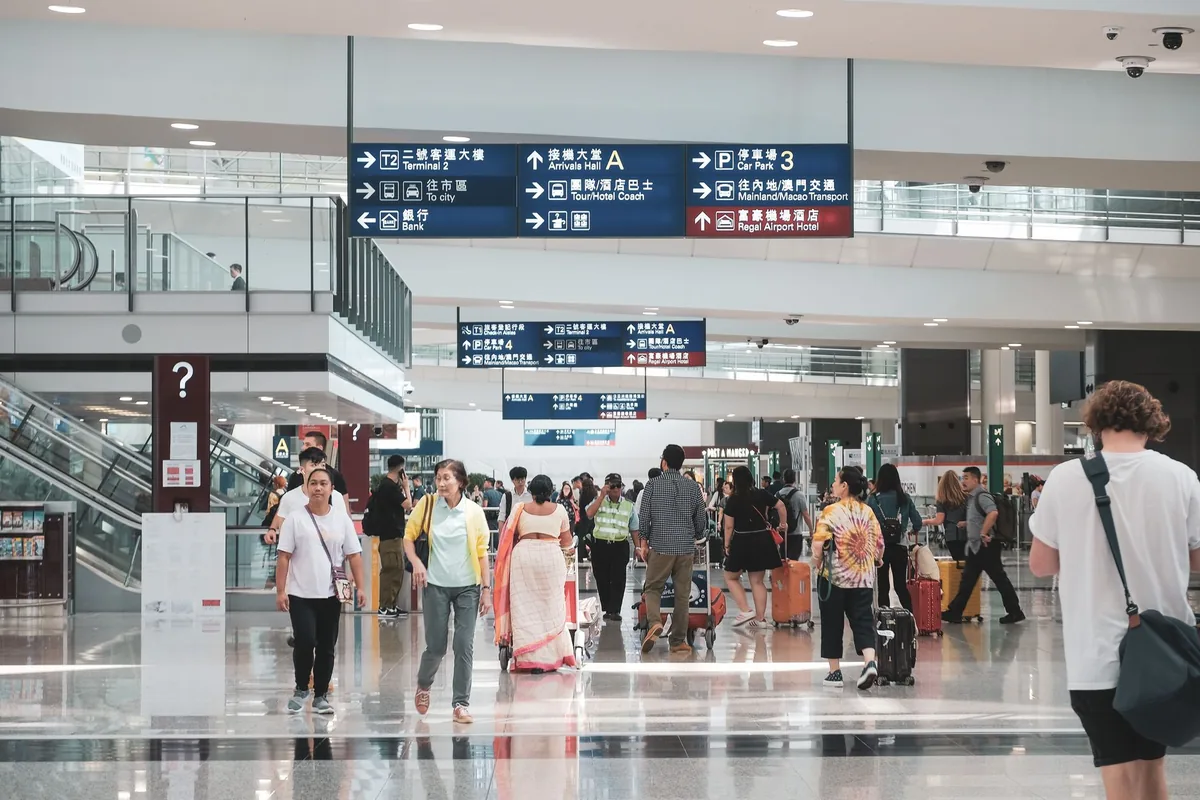
Japan demonstrated the strongest preference for acquisitions of existing inventory, generating 92 hotel transactions in 2025 [1]. Out of 122 Japanese transactions recorded across the 18 months leading to June 2026, 90 involved midscale and economy assets, according to the report [1]. New luxury openings in Tokyo were pushed back to next year, worsening product scarcity [1]. Scarcity also intensified across South Korea, Singapore, and parts of Australia, while Hong Kong emerged as a hub for converting buildings from non-hotel uses [1].
What role did international tourism records play in supporting cash flows?
Regional tourism demand rebounded to unprecedented volumes, giving owners the top-line revenue needed to manage debt obligations [1]. Japan welcomed 42.7 million international arrivals in 2025, crossing the 40 million mark for the first time [1]. South Korea reached an all-time record of 18.9 million international visitors [1]. Singapore collected record visitor receipts of SGD 32.8 billion (USD 25.8 billion), while Australia logged international visitor spending of AUD 39.2 billion (USD 27.9 billion) [1].
Why does active asset management matter in this phase of the cycle?
Specialist asset management is required because rising interest rates, driven by the Iran war, elevated energy costs, and renewed inflation, are compressing operating margins [1]. High payroll, food and beverage expenses, maintenance, and capital expenditures threaten to erode the revenue gains won through higher average daily rates [1]. Alex Sogno pointed out that underwriting future growth using optimistic operational assumptions introduces excess risk, requiring owners to actively audit operator budgets, protect margins, and extract value from existing assets rather than relying on market-wide expansion [1].
Reported by
This article was written from the following reporting. Follow the links for the original coverage.
Frequently asked
+What caused the 52% jump in APAC hotel transactions in 2025?
High financing, expensive materials, labor costs, and site scarcity made new construction unviable. Investors turned to existing assets that could be refurbished or converted, driving transaction volume to USD 17.0 billion.
+What were the most expensive hotel markets in APAC by per-key price?
Singapore led all markets with an overall average of approximately USD 656,000 per key. Australia recorded the highest average luxury pricing at roughly USD 673,000 per key, including sales in Melbourne and Perth.
+Why did luxury transactions decline as a percentage of total volume?
Luxury assets fell from 41.1% of deal volume in 2024 to 16.1% in 2025 because inventory remained tightly held and midscale-to-upscale properties offered easier conversion economics for investors.
+How did Japan's hotel transaction market perform in 2025?
Japan recorded 92 hotel sales in 2025. Across the 18 months ending June 2026, 90 of 122 Japanese deals involved midscale and economy hotels as luxury openings in Tokyo faced delays.
+What tourism milestones supported the APAC hotel recovery?
Japan logged 42.7 million visitors in 2025, topping 40 million for the first time. South Korea reached 18.9 million visitors, while Singapore and Australia posted record international travel spending.
Keep reading
Our reporting
More in finance