AHLA and Travel Coalitions Push Congress on Budget Deadlines
Hotel and airline trade groups demand a stopgap spending bill before Sept. 30 to avert airport delays, unpaid federal workers, and hotel revenue losses.
The short answer
AHLA, U.S. Travel, and A4A have issued a joint call for Congress to resolve budget disputes before Sept. 30 to avert a government shutdown. The groups warned that unpaid federal aviation personnel and closed attractions risk recreating the $1 billion weekly losses seen during past shutdowns.
The short version
- AHLA, A4A, and U.S. Travel Association demand a stopgap spending bill before Sept. 30.
- 9,000 flights were delayed or canceled during the previous 43-day government shutdown.
- $1 billion per week was lost across the travel economy during the last extended shutdown.
Hospitality trade associations are lobbying Congress to pass a stopgap budget before the Sept. 30 deadline because federal shutdowns directly suppress lodging demand, shutter national attractions, and disrupt airport operations. By forcing aviation staff to work unpaid, past funding lapses delayed thousands of flights, stranded millions of travelers, and cost travel businesses $1 billion weekly [1].
Why are hospitality groups sounding the alarm ahead of Sept. 30?
Hospitality leaders fear that unresolved legislative differences will trigger operational paralysis across the transportation and lodging network [1]. Following votes in the House and Senate on separate continuing resolutions, the U.S. Travel Association, Airlines for America (A4A), and the American Hotel & Lodging Association (AHLA) submitted a joint letter demanding quick reconciliations [[1], [2]]. As reported by Lodging Magazine, returning lawmakers must enact a unified stopgap funding measure before Sept. 30 to prevent business uncertainty and operational breakdowns [2].
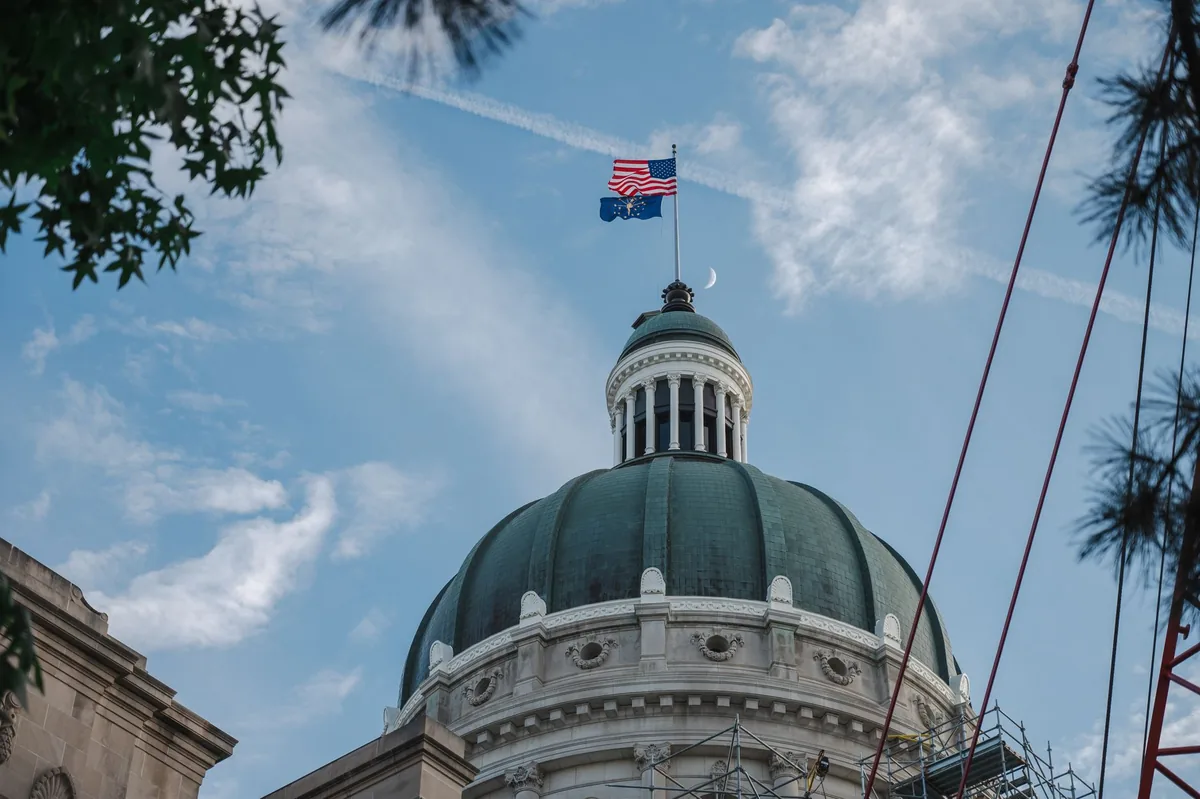
According to Asian Hospitality, the coalition warned that a failure by Congress to reach an agreement risks reversing recent gains across the domestic travel network [1]. Geoff Freeman, president and chief executive officer of the U.S. Travel Association, emphasized that federal paralysis penalizes travelers and commercial operators alike [[1], [2]].
What operational damages happen during a federal funding lapse?
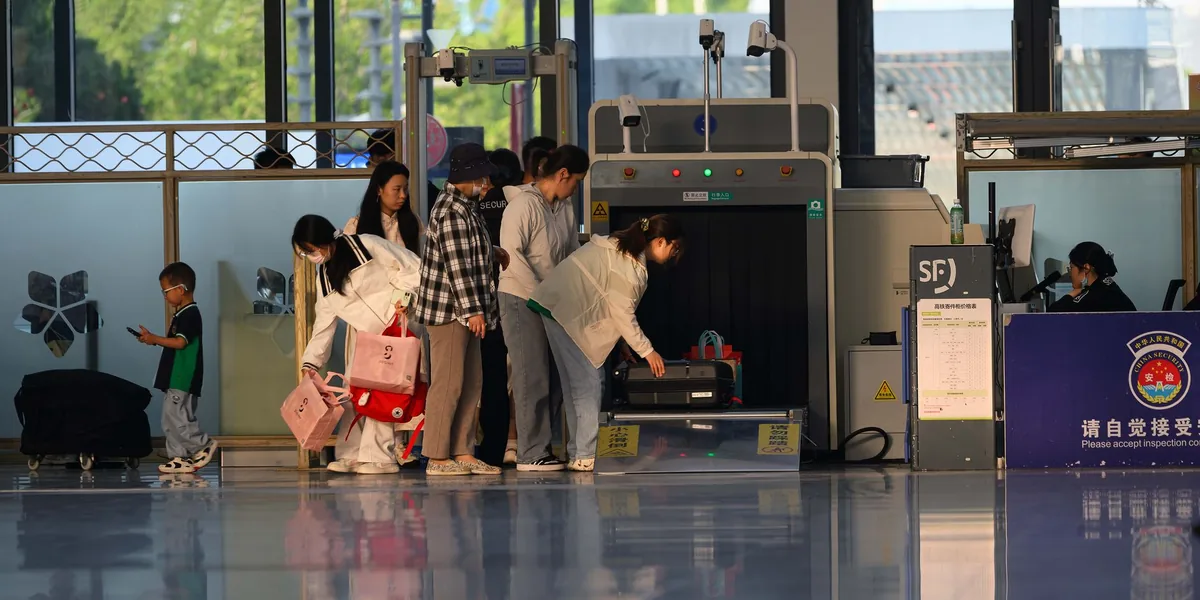
Federal shutdowns mandate that essential security and aviation staff work without pay, immediately straining airport throughput and lodging arrivals [[1], [2]]. Trade groups stated that Transportation Security Administration (TSA) officers and air traffic controllers must report to duty unpaid, aggravating staffing shortages [[1], [2]]. These labor shortfalls trigger longer security queues, flight cancellations, and cascading schedule delays [1].
Beyond airport gates, federal tourist magnets face severe disruptions [1]. The trade groups noted that national parks, museums, and other federal attractions face outright closures or curtailed operating schedules [[1], [2]]. Such reductions suppress tourism volumes in visitor-dependent regional economies and deplete hotel occupancy [[1], [2]].

What historical data shows the cost of federal shutdowns?
Past shutdowns demonstrate severe financial and passenger fallout across the national transport and accommodation sectors [[1], [2]]. As detailed in reports by Asian Hospitality and Lodging Magazine, the industry coalition pointed directly to the repercussions of the previous 43-day federal shutdown [[1], [2]].
| Metric Affected | Recorded Impact (43-Day Shutdown) | Impacted Group / Sector |
|---|---|---|
| Flight Operations | Over 9,000 delayed or canceled | Airlines and flight crews [[1], [2]] |
| Passenger Disruption | More than 6 million travelers | Business and leisure travelers [[1], [2]] |
| Economic Losses | Estimated $1 billion per week | U.S. travel economy [[1], [2]] |
| Attractions Status | Closures and reduced services | National parks and museums [[1], [2]] |
| Federal Labor Status | Mandated to work without pay | TSA agents and air traffic controllers [[1], [2]] |
Chris Sununu, president and chief executive officer of Airlines for America, described past episodes as government malpractice that delayed shipments, interrupted flights, and penalized essential workers [[1], [2]].

How do budget stalemates harm hotel operators and employees?
Uncertainty generated by budget stalemates dampens consumer confidence and curtails hotel bookings nationwide [[1], [2]]. AHLA president and CEO Rosanna Maietta warned that political gridlock upends travel itineraries, hurting the millions of hotel employees and small business owners who rely on steady tourist traffic [[1], [2]]. Maietta stressed that another funding failure remains completely avoidable if leaders approve stopgap financing [[1], [2]].
Hoteliers are already managing tight margins [1]. Asian Hospitality reported that in May, AHLA raised concerns regarding franchise regulations, hospitality staffing shortages, and climbing operational costs [1]. The association urged Congress to pass the American Franchise Act to codify joint employer standards and protect hotel franchise arrangements [1]. A sudden government shutdown adds unwanted logistical friction to an already burdened hotel workforce [[1], [2]].
What legislative solutions do industry associations demand?
The coalition is demanding immediate stopgap funding alongside structural reforms to protect aviation workers from future budget fights [[1], [2]]. In their formal letter, U.S. Travel, A4A, and AHLA insisted that Congress pass a continuing resolution before midnight on Sept. 30 [2]. In addition, the three organizations asked lawmakers to establish permanent legislative fixes ensuring TSA agents and air traffic controllers receive their compensation during any future federal funding interruptions [[1], [2]].
Reported by
This article was written from the following reporting. Follow the links for the original coverage.
- [1]Travel Groups Urge Congress to Avert Shutdown— asianhospitality.com
- [2]AHLA Urges Congress to Pass Funding Bill and Stop Shutdown— Lodging Magazine
Frequently asked
+Why are travel groups lobbying Congress before Sept. 30?
The U.S. Travel Association, A4A, and AHLA want lawmakers to resolve differences between House and Senate continuing resolutions to avert a shutdown that could disrupt flights, close attractions, and slow hotel demand.
+What happens to aviation workers during a federal government shutdown?
Essential personnel including TSA officers and air traffic controllers are required to work without pay, which worsens staffing shortages, extends security lines, and causes flight delays and cancellations.
+What economic damage did the previous 43-day government shutdown cause?
The previous 43-day shutdown disrupted over 6 million passengers, delayed or canceled more than 9,000 flights, and cost the travel economy an estimated $1 billion per week.
+How does a shutdown directly impact lodging and local communities?
National parks and museums face closures or reduced hours, which reduces visitor numbers in tourist-dependent communities and depresses revenue for nearby hotels and small businesses.
+What long-term policy reforms are the associations requesting?
Alongside an immediate stopgap resolution, the groups called for statutory reforms guaranteeing that TSA agents and air traffic controllers continue to be paid during future funding gaps.
Keep reading
Our reporting


More in operations