BWH and Cabin Operator Protect ADR via Added Value
Operators substitute rate discounting with tangible inclusions, digital repositioning, and landing page realignments to lift direct bookings.
The short answer
Hospitality operators are ditching destructive room discounting in favor of value-add inclusions and targeted digital repositioning. Case studies from BWH Hotels GB and a Northeast cabin operator show measurable lifts in direct revenue, conversion rates, and ADR.
“Guests are becoming far more conscious of overall trip value and increasingly responsive to offers that improve the experience itself, rather than simply lowering the room rate.”
The short version
- BWH Hotels GB generated more than £13.1 million and 124k room nights through its breakfast inclusion campaign.
- Cayuga Hospitality Consultants drove a 10.3% spring ADR lift and 2.2% web conversion rate for a 36-cabin operator.
- 39,000 new Best Western Rewards members enrolled during the centralized value-add commercial promotion.
Hospitality commercial teams are protecting average daily rates by replacing room discounting with perceived-value inclusions and digital repositioning. Rather than lowering published prices against rising labor, food, and utility expenses, operators are pairing tangible benefits such as inclusive dining with upgraded web branding and targeted search funnels to expand direct capture, elevate conversion rates, and preserve long-term rate positioning.
How did BWH Hotels GB use value-add inclusions to drive direct revenue?
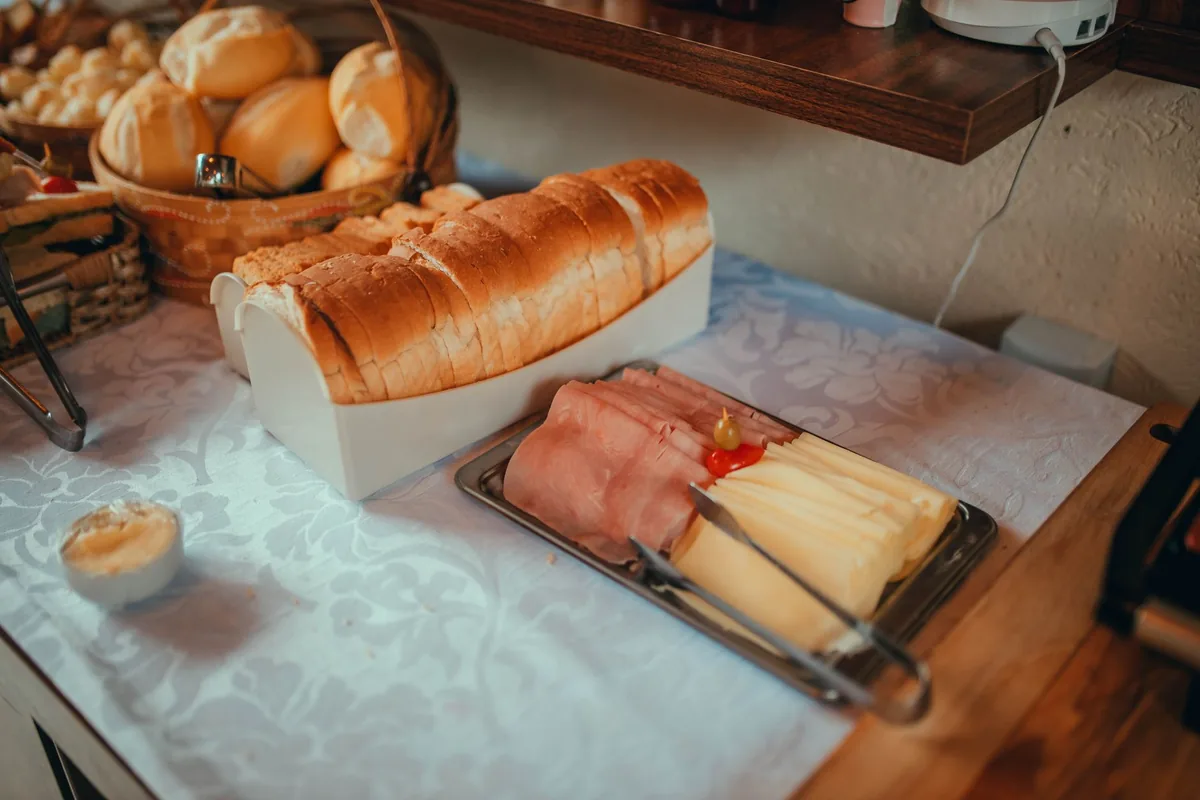
BWH Hotels GB leaned into experiential inclusions by deploying a centralized 'Year of the Free Breakfast' campaign across its portfolio of independent properties [2]. According to HospitalityNet, the campaign produced over £13.1 million in revenue and secured more than 124k room nights through brand channels including bestwestern.co.uk [2]. Participating hotels served more than 220k free breakfasts during the promotion [2].
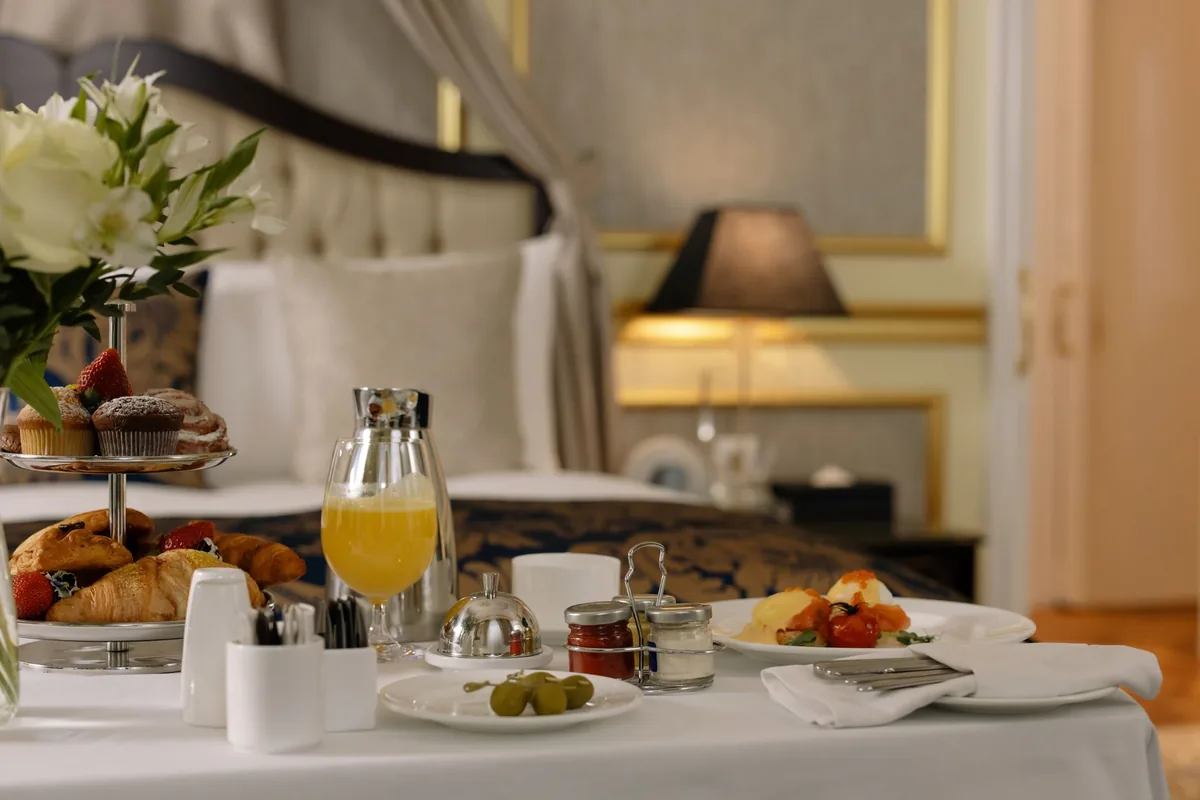
Rather than dropping room rates, offering inclusive morning dining addressed shifting consumer behavior toward overall trip value [2]. Tim Rumney, CEO of BWH Hotels GB, noted that British travelers look at the complete stay experience and specific inclusions rather than simply chasing the cheapest available room [2]. The commercial campaign attracted 39,000 new Best Western Rewards members while expanding repeat stays and direct channel share across leisure markets including South West, North West, and South East England [2]. Because of these commercial returns, the brand is running the campaign again across May, June, and July [2].
How does asset repositioning lift ADR without hurting conversions?
Asset repositioning protects rate integrity by realigning visual marketing and guest targeting with upgraded physical inventory [1]. As reported by eHotelier, a Northeast vacation rental operator managing 36 cabins faced declining conversion rates as it expanded into upscale, newly built homes where 20% of the properties featured eight or more bedrooms [1]. The company, which owned 8% of its portfolio by the end of 2024, found that higher rates stalled bookings because legacy branding and budget-oriented inquiries failed to match its premium product [1].
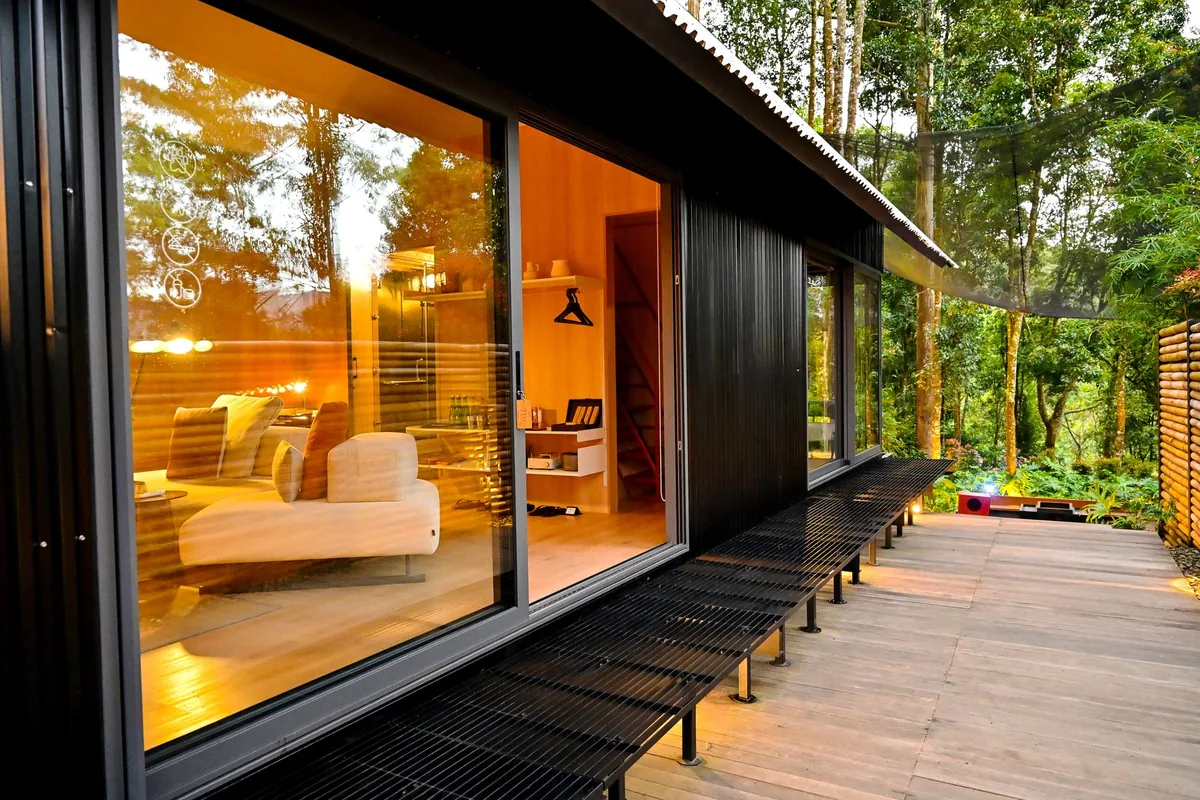
Working with Cayuga Hospitality Consultants, the operator updated its messaging, modernized its five-year-old website, and restructured its Google Ads campaigns [1]. By sending paid search traffic to dedicated landing pages, web conversion rates rose from 1% to 2.2% [1]. Marketing purchase revenue increased 217% by January 2025 [1]. The repositioning generated an 81% revenue increase on the direct website in January 2025 compared to January 2024, alongside a 10.3% lift in spring ADR and a 17.9% increase in spring bookings [1].
| Commercial Initiative / Operator | Core Tactic Employed | Primary Channel Focus | Recorded Commercial Outcome |
|---|---|---|---|
| BWH Hotels GB | Added-value breakfast inclusion ('Year of the Free Breakfast') | Brand direct web (bestwestern.co.uk) & loyalty | £13.1M revenue; 124k room nights; 39k new loyalty signups [2] |
| Northeast Vacation Rental Operator | Visual redesign, dedicated landing pages, Google Ads realignment | Direct brand website & OTA profile collages | 2.2% web conversion (up from 1%); +10.3% spring ADR; +81% Jan YoY direct revenue [1] |
How are commercial teams acquiring high-value group demand?
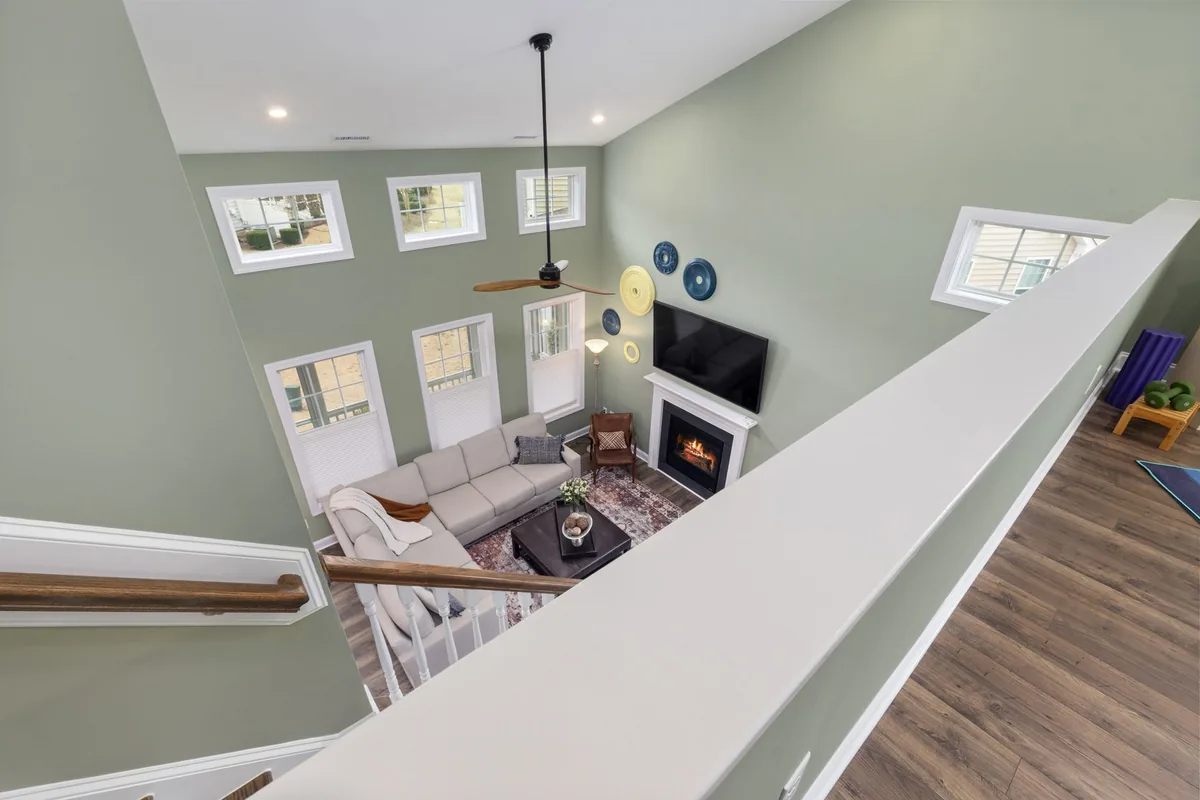
Commercial teams are securing premium demand by upgrading media assets to showcase specific property amenities for multi-generational families and groups [1]. The Northeast cabin operator introduced branded collages on online travel agencies such as Vrbo and conducted family photo shoots to highlight shared spaces like indoor pools, game rooms, hot tubs, and fire pits [1].
According to eHotelier, supplementing digital media with walkthrough social media videos and local public relations attracted inbound inquiries from corporate brands seeking multi-unit room blocks and event planners coordinating concurrent reservations [1]. Social media channels achieved a 7.4% click-through rate over a 12-month period, while Google reviews reached a 4.8-star rating, outperforming regional averages of 4.0 to 4.5 [1]. Total year-over-year revenue climbed 11% [1].
Why are commercial support structures replacing price reductions?
Centralized marketing support and loyalty infrastructure allow independent operators to maintain profitability without eroding long-term rate positioning [2]. As explained by BWH Hotels GB in HospitalityNet, independent properties face mounting operating expenses in food, utilities, and wages, making price cuts counterproductive to net operating income [2]. By relying on centralized loyalty campaigns and high-intent marketing channels, properties capture direct demand, reduce intermediary costs, and keep base rates intact [2].
Reported by
This article was written from the following reporting. Follow the links for the original coverage.
- [1]Strategic Shifts Boost Bookings and ADR Through Redesign— eHotelier
- [2]Why Value-Add Inclusions Outperform Price Cuts— HospitalityNet
Frequently asked
+What commercial results did BWH Hotels GB achieve with its free breakfast campaign?
BWH Hotels GB generated over £13.1 million in revenue, delivered more than 124k room nights via direct brand channels, and registered 39,000 new Best Western Rewards members while serving over 220k free breakfasts.
+How did web repositioning impact conversions for the Northeast cabin operator?
Working with Cayuga Hospitality Consultants, the operator updated its website and directed Google Ads traffic to dedicated landing pages, lifting web conversion rates from 1% to 2.2% and increasing purchase revenue by 217%.
+What effect did asset repositioning have on spring performance metrics?
The Northeast rental operator experienced a 10.3% increase in spring average daily rate alongside a 17.9% increase in spring bookings compared to the prior year.
+Why is discounting considered risky amid rising operating expenses?
With increasing costs across labor, food, and utilities, cutting room rates erodes profit margins and damages long-term price positioning without guaranteeing sustainable net demand.
+Which UK regions showed the strongest performance from value-add inclusions?
Regional leisure destinations in South West, North West, and South East England saw the strongest response, marked by higher booking conversion and increased direct channel contribution.
Keep reading
Our reporting
More in operations