Why Boutique Hotels Struggle Above 80 Keys
Exceeding an 80-room threshold erodes guest-staff familiarity and damages boutique profitability.
The short answer
Boutique hotels lose their operational edge past 80 keys as larger headcounts dilute meaningful guest-staff interactions. Research identifies 50 to 65 rooms as the optimal range for sustained profitability and guest loyalty.
The short version
- 80 keys represents the ceiling where boutique guest-staff familiarity begins to deteriorate.
- 50 to 65 keys provides the optimal balance between revenue coverage and guest intimacy.
- eHotelier points out that staff turnover creates severe service deficits that decor and dining cannot fix.
Boutique hotels struggle above 80 keys because larger properties require expanded staff headcounts and larger floor areas that prevent individual employees from having repeated interactions with a guest during a standard two-to-four night stay. This breakdown in recurring contact eliminates opportunities for personalized service and genuine relationships that drive repeat visits and word-of-mouth advocacy [1].
Why does service delivery breakdown beyond 80 rooms?
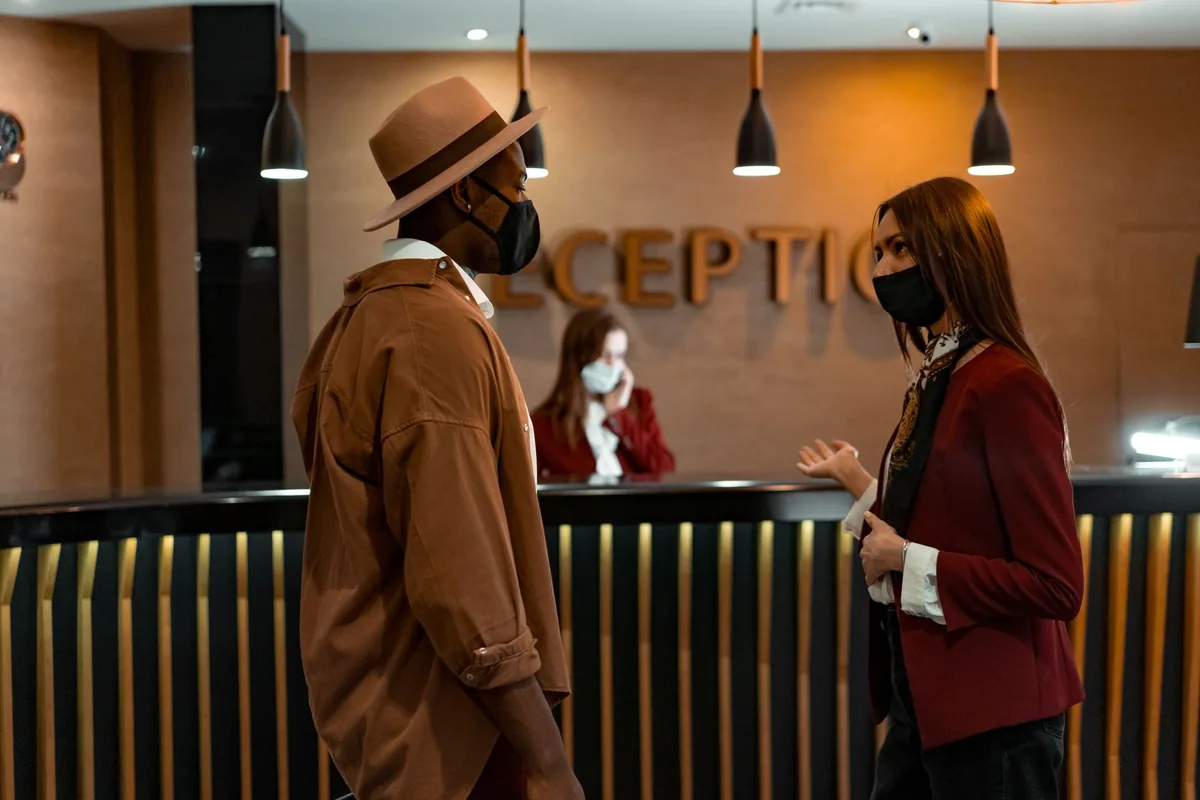
Boutique operations falter past the 80-key mark because headcounts expand to a level where employees rarely encounter the same traveler twice [1]. As eHotelier reported, a guest’s first interaction with an associate remains strictly cordial and professional [1]. The real value emerges during subsequent encounters [1]. On the second encounter, whether planned or serendipitous across shared hotel spaces, a guest’s guard drops, allowing genuine dialogue to emerge [1]. Passion transforms this conversation into familiarity, while seasoned hospitality training enables the staff member to anticipate needs and deliver surprises on the third or fourth encounter [1]. Large floor plans and triple-digit room counts dilute staff presence and eliminate this repeated exposure entirely [1].
What is the ideal room count for boutique profitability?
The operational sweet spot for authentic boutique properties sits precisely between 50 and 65 keys [1]. Analysis from eHotelier shows this range maintains sufficient guest-to-staff exposure while preserving baseline financial performance [1]. Properties dropping below 50 rooms face difficulty generating enough top-line revenue to absorb undistributed operating expenses, unless the asset operates in the ultraluxury segment [1]. Conversely, expanding beyond 65 rooms up to 80 keys begins stretching team capacity, making 50 to 65 keys the optimal balance between high-margin boutique intimacy and operational viability [1].
| Room Count Tier | Operational Dynamics | Financial and Guest Impact |
|---|---|---|
| Under 50 Keys | High staff-to-guest contact and extreme personalization | Revenues struggle to cover undistributed operating expenses outside ultraluxury [1] |
| 50 to 65 Keys | Sweet spot balancing lean staffing with high recurring guest interactions | Optimizes above-benchmark profitability and drives word-of-mouth advocacy [1] |
| 66 to 80 Keys | Maximum threshold for intimate guest service before contact frequency drops | Staffing scale strains repeat guest encounters [1] |
| Above 80 Keys | Triple-digit key counts expand headcounts and physical floor area | Staff-guest familiarity breaks down; operates like standard or soft-branded properties [1] |

How does staff retention protect the boutique model?
Boutique assets derisk operations by curbing the hidden financial drains of employee turnover, including recruitment outlays, onboarding delays, leadership vacuums, and skill gaps [1]. According to eHotelier, an inability to deliver service beyond basic responsiveness represents the single riskiest side effect of turnover [1]. Successful properties protect staff wellbeing across three structural pillars: community, professional development, and financial security [1]. Fulfilling these needs requires offering above-market wage scales and running lean rosters that grant associates flexible, full shift allocations [1]. In turn, long-tenured employees recognize guests throughout their stay and elevate service past scripted pleasantries [1].
Why do soft brands fail to replicate authentic boutique appeal?
Soft-brand chains attempting to mimic boutique aesthetics create what hospitality observers term fauxtiques [1]. eHotelier noted that while these corporate concepts feature craft marketing, specialized lobby bars, custom cocktail programs, and stylized staff uniforms, design alone fails to secure long-term traveler loyalty [1]. True differentiation relies on human connection rather than decor, wellness amenities, or dining programs [1]. When properties design systems where teams actually have the time and visibility to learn guest preferences individually, they generate the repeat bookings that deliver above-benchmark returns [1].
Reported by
This article was written from the following reporting. Follow the links for the original coverage.
- [1]Why Boutique Hotels Struggle Above 80 Keys— eHotelier
Frequently asked
+Why do boutique hotels struggle when scaling above 80 keys?
Properties exceeding 80 rooms require larger floor plans and headcounts, preventing single team members from having multiple encounters with a guest over an average two-to-four night stay. Without repeated interactions, staff cannot build the personal familiarity that defines genuine boutique service.
+What is the optimal room count for an independent boutique hotel?
The ideal boutique scale sits between 50 and 65 keys. This operational window allows sufficient room revenue to absorb undistributed operating expenses while keeping the team lean enough to deliver personalized, repeated guest interactions.
+What risks do boutique hotels face if room inventory drops below 50 keys?
Hotels operating with fewer than 50 keys often struggle to generate sufficient gross revenue to cover undistributed operating expenses. Unless the property commands ultraluxury room rates, operating below this threshold challenges baseline profitability.
+How does guest-staff rapport build over a typical stay?
The initial guest encounter is standard and professional. On the second interaction, the guest lowers their guard, sharing personal details. By the third and fourth encounters, trained staff anticipate needs and provide personalized touches that drive advocacy.
+How do boutique operators minimize staffing risks?
Operators derisk by controlling turnover costs through higher-than-market wages, flexible shift scheduling, ongoing professional development, and strong workplace community, ensuring experienced staff remain in place to recognize returning guests.
Keep reading
Our reporting
More in operations