$894B Wellness Tourism Market Approaches $1 Trillion
Wellness tourism reached $894 billion in 2024 and is on track to cross $1 trillion as luxury travelers prioritize recovery over basic amenities.
The short answer
Wellness tourism hit $894 billion in 2024 and is heading toward the $1 trillion mark before 2030. High-end guests now demand sleep-oriented architecture, air quality, and recovery amenities rather than basic spa menus.
The short version
- $894 billion was the global wellness tourism valuation recorded in 2024.
- 8% CAGR is projected for global luxury hotels and fine dining through 2028 by Kearney.
- Luiz Moura notes that modern luxury travelers evaluate stays based on physical recovery rather than thread counts.
Wellness tourism reached an $894 billion valuation in 2024 and is expanding toward $1 trillion before the end of the decade [1]. Driven by luxury travelers prioritizing restorative health over traditional indulgences, hospitality properties are shifting wellness from secondary spa treatments into foundational room design, architecture, and programming [1].

Why is wellness moving from an amenity to an expectation?
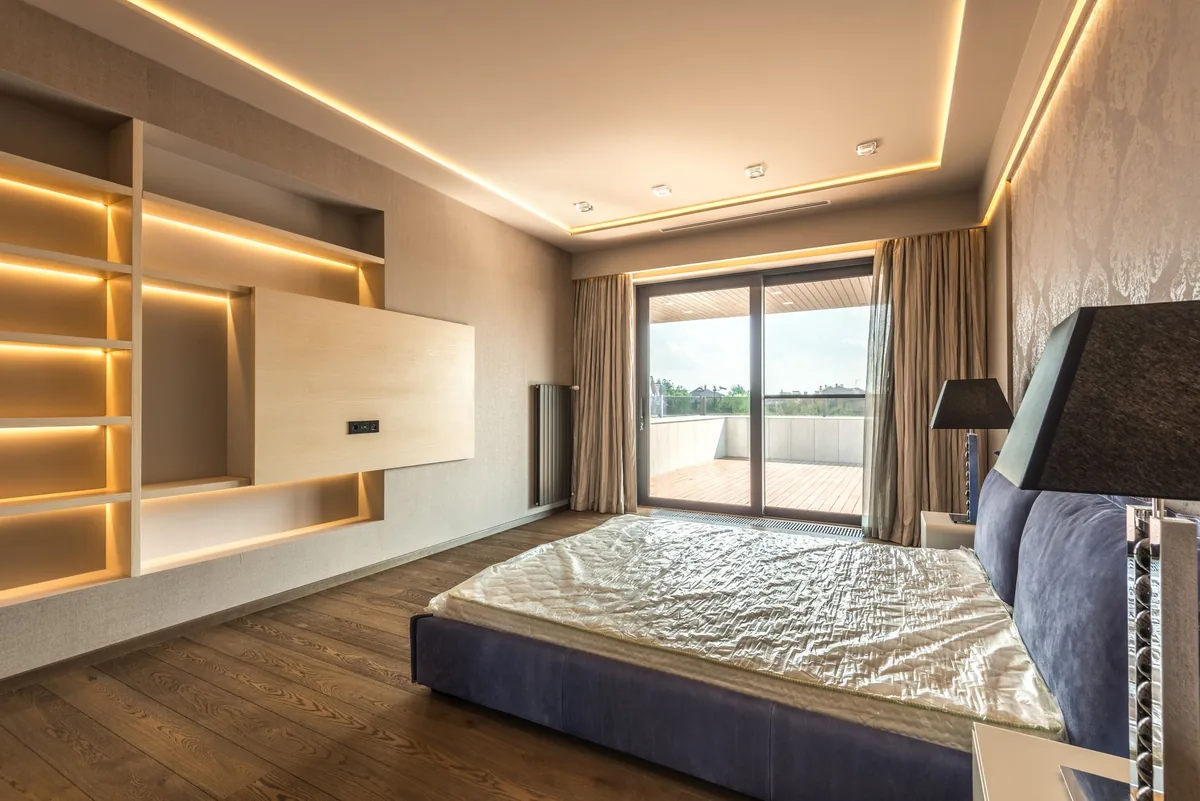
Wellness has transitioned from an optional indulgence into a baseline standard comparable to clean sheets or high-speed Wi-Fi [1]. According to Hotel Dive, guests are no longer satisfied by superficial additions like a green juice menu [1]. Instead, luxury travelers expect built-in recovery elements across the entire property, including circadian lighting, verified air and water quality, active movement spaces, and architecture planned directly around sleep [1]. Brands that continue to market basic wellness perks as unique differentiators risk appearing dated to high-end travelers [1].

Where are luxury consumers allocating their discretionary spending?
When affluent consumers possess surplus capital, travel consistently ranks as their primary spending priority ahead of retail merchandise like jewelry and watches [1]. Within the travel category, hotel stays and fine dining have emerged as primary growth engines [1]. Research from management consulting firm Kearney indicates that hotels and fine dining represent one of the fastest-growing luxury categories worldwide, projected to expand at an annual compound growth rate of roughly 8% through 2028 [1]. Rather than serving merely as transit stops, hotels are increasingly capturing consumer capital that previously flowed toward luxury products [1].
| Metric / Category | Market Data | Projected Target / Growth | Source |
|---|---|---|---|
| Wellness Tourism Market Size | $894 billion (2024) | $1 trillion before 2030 | Hotel Dive / VOLL [1] |
| Hotels & Fine Dining Luxury Category | Baseline 2024 spending | ~8% CAGR through 2028 | Kearney [1] |
| Discretionary Spending Priority | Ranked #1 over jewelry and watches | Continuous capital reallocation | Hotel Dive [1] |

How do successful hotel operators integrate recovery into guestrooms?
Properties outperforming the broader market avoid retrofitting standalone amenities like a generic juice bar or isolated spa rooms into existing buildings [1]. As Luiz Moura, co-founder of corporate travel agency VOLL, reported via Hotel Dive, winning operators calibrate guestrooms specifically for restoration [1]. This includes longevity-centered guest programming, specialized skincare protocols, and personalized health treatments delivered as standard service rather than transaction-driven upselling [1]. Hospitality has absorbed roles previously isolated to fitness studios, clinics, and self-care providers [1].
What makes cultural and architectural identity outperform generic luxury?
Distinct cultural and geographic narratives are outpacing standardized five-star finishes in driving brand preference [1]. Luxury guests increasingly evaluate properties based on emotional resonance and unrepeatable experiences rather than thread count, marble bathrooms, or expensive decor alone [1]. A hotel anchored in an architectural, cultural, or geographic point of view builds stronger emotional ties, allowing properties to fulfill travelers' desire to depart feeling physically restored and energetically improved [1].
Reported by
This article was written from the following reporting. Follow the links for the original coverage.
- [1]Wellness Tourism Nears $1T as Guest Demands Shift— Hotel Dive
Frequently asked
+What is the valuation of the wellness tourism market?
Wellness tourism reached an $894 billion valuation in 2024 and is projected to surpass $1 trillion before the end of the decade, according to reporting from Hotel Dive.
+What is the projected growth rate for luxury hotels and fine dining?
According to management consulting firm Kearney, hotels and fine dining are projected to grow at a compound annual growth rate of roughly 8% through 2028.
+Which design elements are modern luxury guests expecting in hotel rooms?
Guests expect design built for recovery, including circadian lighting systems, high air and water quality standards, architecture optimized for sleep, and designated spaces to move.
+How does discretionary luxury retail compare to hotel spending?
Luxury consumers prioritize travel ahead of physical products, including jewelry and watches, directing surplus spending directly into fine dining and hotel stays.
+Why are standard amenities no longer differentiating luxury hotels?
Offerings such as green juice menus and isolated spas have become assumed baseline expectations. Hotels that treat them as novel differentiators risk appearing dated to affluent travelers.
Keep reading
Our reporting
More in operations