US Dining Closures Hit 7,593 as Food and Labor Costs Bite
Rising food and labor expenses pushed 7,593 US restaurants to shut down in early 2026 as delivery app changes add friction.
The short answer
Escalating labor and ingredient expenses contributed to 7,593 US restaurant closures in the first half of 2026. As diners abandon orders over small price bumps, operators face added pressure from third-party delivery platforms.
The short version
- RestaurantData.com tallied 7,593 US restaurant closures during the first six months of 2026.
- Sandwich shops absorbed 2,120 shutdowns as counter-service diners resisted higher ticket prices.
- DoorDash integrated Shopify merchants following its £2.9 billion Deliveroo purchase, elevating delivery app competition for kitchens.
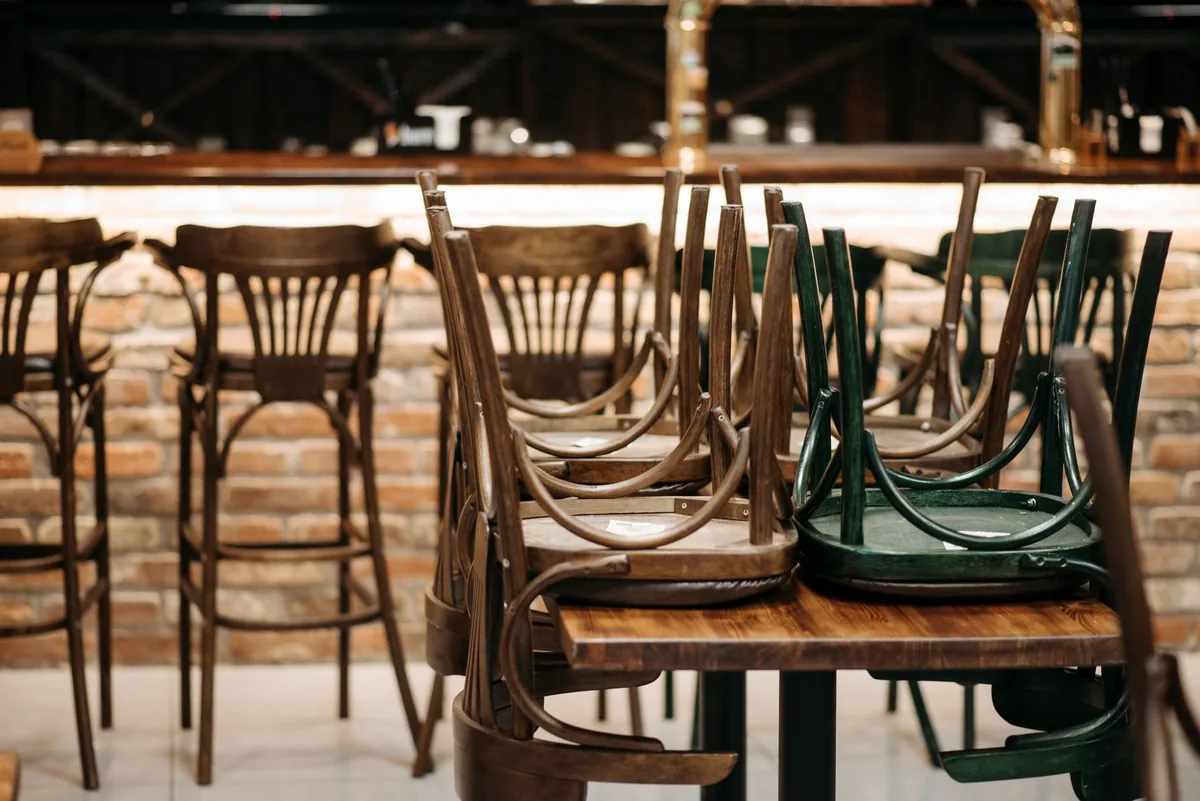
Food and beverage operators face an intense margin squeeze as escalating labor and ingredient expenses collide with consumer resistance to higher menu prices. Tracking service RestaurantData.com recorded 7,593 restaurant shutterings across the United States in the first half of 2026, forcing hospitality teams to re-evaluate their pricing thresholds, third-party delivery channels, and property footprints.
How Severe Is the Restaurant Closure Wave in 2026?
Restaurant mortality reached historic mid-year levels as hospitality venues failed to absorb cumulative cost spikes. According to data reported by IFMA The Food Away from Home Association, nearly 7,600 restaurants in the United States permanently ceased operations during the first six months of 2026 [2]. RestaurantData.com documented 7,593 closures across the United States alongside 579 in Canada [2]. IFMA noted that elevated menu prices, driven by persistent increases in labor and food costs in recent years, have made 2026 an extremely difficult operating environment [2].
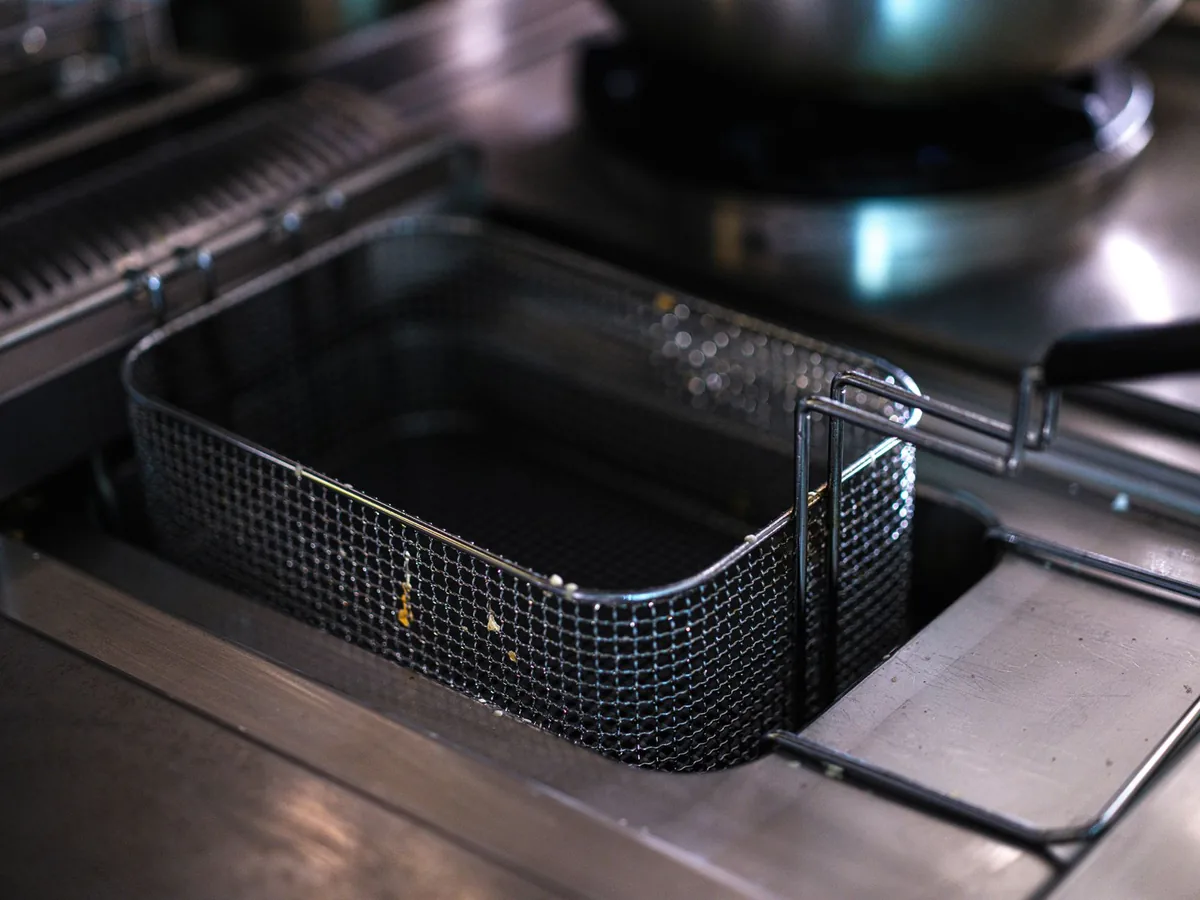
Casualties spanned every operational scale. Entire systems including Smokey Bones and On The Border shut down completely, while major quick-service brands such as Wendy’s, Papa John’s, and Pizza Hut announced plans to close hundreds of stores [2]. Independent operators shuttered at nearly the same rate as chain-affiliated outlets, demonstrating that corporate scale provided little insulation against margin pressures [2].
| Market Segment / Metric | Reported Total (H1 2026) | Operational Context |
|---|---|---|
| United States Closures | 7,593 venues | Driven by rising labor, ingredient expenses, and higher menu prices |
| Canada Closures | 579 venues | Widespread North American cost pressures |
| Quick-Service Sandwiches | 2,120 operations closed | Highest casualty rate among counter-service concepts |
| Top State Attrition (Texas) | 1,039 closures | Second-largest US restaurant market behind California |
| New Restaurant Filings | 1,188 applications | Spot-check of filings for the three weeks ending June 25, 2026 |
| Direct Delivery Preference | 65% of surveyed diners | Favor direct orders over third-party platforms |
| Cart Abandonment Markup | 15% ($3 on $20 order) | Threshold where 71% of surveyed consumers abandon orders |
Why Are Quick-Service Sandwich Concepts Hurting Most?
Quick-service locations accounted for the bulk of early 2026 casualties because their customers show the highest sensitivity to menu price markups. Data published by IFMA showed that quick-service venues made up most shuttered locations, with sandwich shops alone accounting for 2,120 terminated operations [2]. Texas led all states in dining casualties, losing 1,039 locations [2].
Hospitality Technology reported findings from the forthcoming 2026 Hospitality Technology Guest Engagement Study, which polled more than 1,000 consumers and revealed that diners are hitting a wall on price adjustments [1]. The study found that 71% of consumers abandon a $20 order if added fees and markups increase the total price by 15% or more [1]. When counter-service operators add just $3 to protect food and labor margins, they frequently breach the spending threshold of their core audience [1].
Does Third-Party Delivery Still Protect Food Margins?
Third-party marketplaces increasingly expose restaurant menus to retail competition while taking substantial operational cuts. Hospitality Technology reported that DoorDash expanded into non-food verticals through a £2.9 billion acquisition of Deliveroo in May 2026—stretching its footprint to more than 40 countries and 1 billion people—and integrated as a sales channel in Shopify’s App Store in July 2026 [1]. Independent merchants can upload retail items directly to the application, forcing food operators to compete for screen visibility against clothing and non-food goods [1].
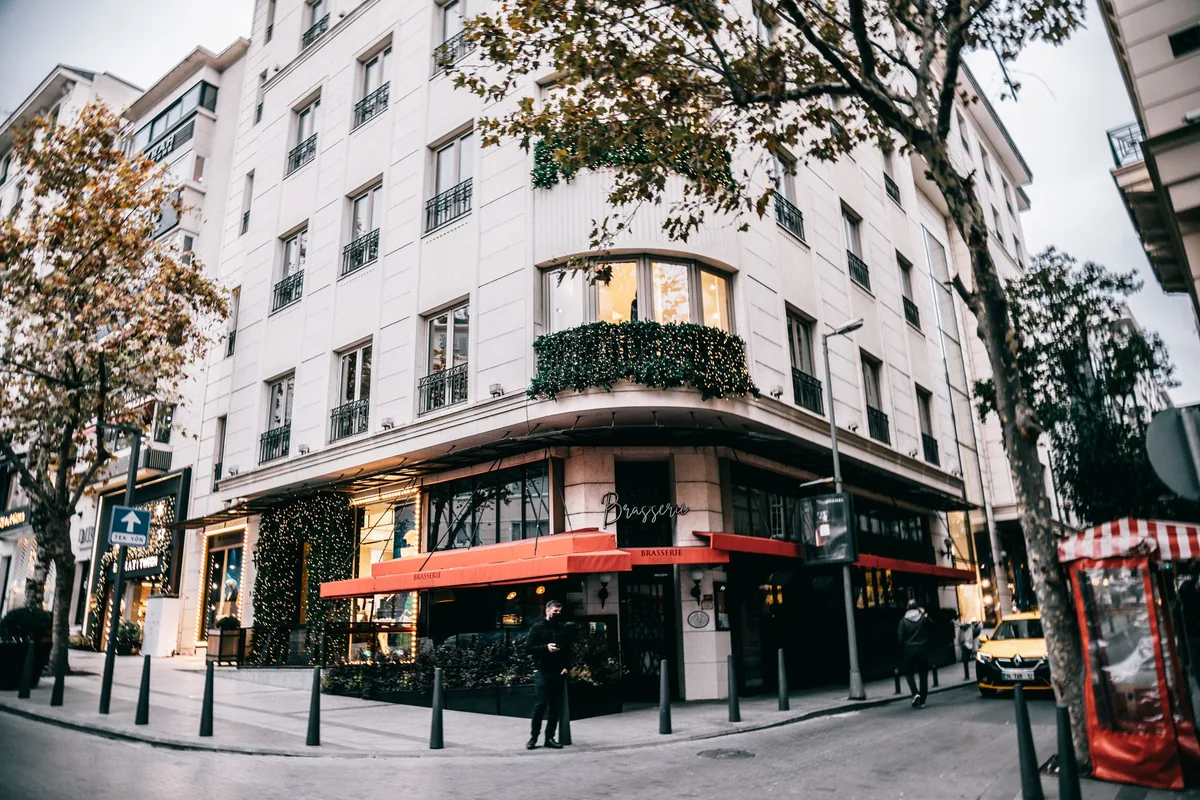
To maintain order volume, kitchen operators face a pay-to-play model that requires bidding on sponsored listings [1]. Courier logistics create additional service issues: drivers handling mixed routes with physical retail goods alongside hot prepared dishes complicate transport times, leaving restaurants to absorb negative reviews when cold food arrives [1]. The Guest Engagement Study revealed that 65% of diners prefer ordering delivery directly from restaurants, while only 26% prefer third-party aggregators [1]. Diners reported higher satisfaction with direct ordering—78% satisfied versus 56% on third-party apps—citing faster service, fewer mistakes, lower fees, and better food quality [1].
What Local Disruption Points Force Dining Rooms to Close?
Outside of ingredient and wage pressures, localized infrastructure delays and ownership transitions can abruptly shutter dining locations. Axios reported that New Orleans experienced more than 50 restaurant openings and closures in the first half of 2026 [3]. On Decatur Street, operations including Café Sbisa and LUFU permanently shuttered their dining rooms, with both citing ongoing street construction work as the primary cause [3].
Generational retirements also alter dining markets. In New Orleans, historic establishments like Casamento's are assessing future steps, with third-generation owner C.J. Gerdes stating that the upcoming fall may mark the final season before his retirement [3]. While fresh concepts like Dolfy's, Chada, and Safta's Table continue to open, newcomers must absorb elevated buildout expenses in a market where 1,188 business filings nationwide were recorded in a single three-week snapshot ending June 25 [2] [3].
Reported by
This article was written from the following reporting. Follow the links for the original coverage.
- [1]DoorDash Retail Expansion Threatens Restaurant Visibility— Hospitality Technology
- [2]US Restaurant Closures Near 7,600 in H1 2026— foodaway.org
- [3]New Orleans Sees High Restaurant Turnover Mid-Year— axios.com
Frequently asked
+How many US restaurants closed in the first half of 2026?
Tracking service RestaurantData.com tallied 7,593 US restaurant closures alongside 579 closures in Canada during the first six months of 2026, driven by high food and labor costs that forced menu price hikes.
+Which dining category suffered the most closures in early 2026?
Quick-service restaurants represented the majority of closures. Sandwich shops were the hardest hit within the segment, logging 2,120 terminations across the United States in the first six months of the year.
+How sensitive are consumers to restaurant delivery markups?
The 2026 Hospitality Technology Guest Engagement Study found that 71% of consumers abandon a $20 order if fees or menu markups raise the total price by 15% or more, meaning a $3 increase can eliminate a sale.
+Do customers prefer direct restaurant delivery or third-party apps?
Consumers strongly favor direct channels. The Guest Engagement Study showed 65% prefer ordering directly from dining rooms compared to 26% who favor third parties, citing fewer errors, faster delivery, and lower fees.
+What non-cost factors contributed to restaurant shutdowns in 2026?
Operators reported localized issues such as prolonged road construction, exemplified by Café Sbisa and LUFU closing on Decatur Street in New Orleans, as well as lease turnover and planned retirements of veteran owners.
Keep reading
Our reporting


More in operations