US Hotel RevPAR Drops 6.2% on Holiday Calendar Shift
A Labor Day calendar mismatch snapped a 21-week growth run across US hotels, according to CoStar data.
The short answer
Weekly U.S. hotel RevPAR dropped 6.2 percent to $100.08, snapping a 21-week growth streak due to a Labor Day calendar mismatch. While New York City posted double-digit gains, Las Vegas and Minneapolis saw heavy drops.

The short version
- CoStar reported that a Labor Day calendar shift snapped a 21-week growth streak for U.S. hotels.
- New York City led all top 25 markets with an 11.5 percent increase in RevPAR to $399.60.
- Las Vegas suffered a 32.8 percent collapse in RevPAR to $97.55, driven by a 20.2 percent ADR drop.
A Labor Day calendar mismatch distorted weekly U.S. hotel performance rather than genuine baseline demand softening, according to CoStar data reported by Asian Hospitality [1]. Year-over-year declines were concentrated heavily from Monday through Wednesday because the prior year's comparison period did not include the post-holiday slowdown, snapping a 21-week streak of expansion [1].
What caused the national RevPAR decline for the week ended Sept. 12?
The downturn stemmed directly from holiday timing rather than an underlying collapse in hotel demand [1]. CoStar data published by Asian Hospitality shows that the holiday calendar shift broke a 21-week growth run across the United States [1]. National revenue per available room fell 6.2 percent year over year to $100.08, compared to $100.31 the week before [1].

As Asian Hospitality detailed in its performance review, performance drops were isolated heavily to the Monday through Wednesday window because the matching week in the previous year did not coincide with Labor Day [1]. That timing difference suppressed early-week commercial and business travel relative to the 2025 benchmark [1].
How did national occupancy and ADR shift week over week?
Average daily rate managed a slight week-over-week uptick even as overall occupancy contracted [1]. ADR reached $160.57, rising from $159.19 the prior week, although it slipped 1.7 percent when measured year over year [1].

Occupancy dropped to 62.3 percent for the week ended Sept. 12 from 63 percent recorded during the preceding week, as reported by Asian Hospitality [1]. On an annual basis, national occupancy dropped 4.6 percent [1]. Despite the sequential ADR lift, lower volume pulled overall weekly RevPAR lower [1].
| Metric | Week Ended Sept. 12 Value | Prior Week Value | Year-over-Year Change |
|---|---|---|---|
| Occupancy | 62.3% | 63% | -4.6% |
| Average Daily Rate (ADR) | $160.57 | $159.19 | -1.7% |
| Revenue Per Available Room (RevPAR) | $100.08 | $100.31 | -6.2% |
Which top markets counteracted the holiday calendar drag?
New York City led all top 25 markets with double-digit RevPAR growth, defying the nationwide post-holiday contraction [1]. Data released by CoStar shows New York City achieved gains across all three major performance categories [1].
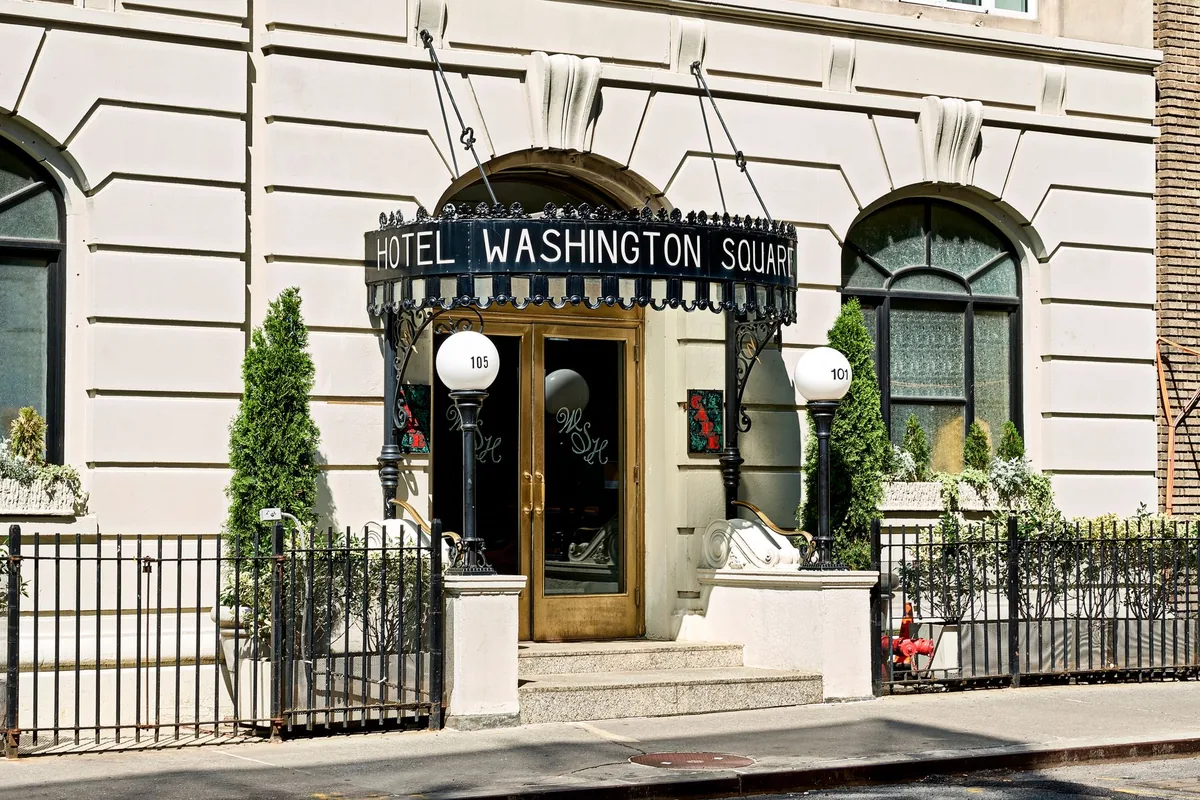
Occupancy in New York City advanced 4.1 percent to hit 91.8 percent [1]. Hoteliers in the market pushed ADR up 7.1 percent to $435.43, driving an 11.5 percent surge in RevPAR to $399.60 [1]. New York proved an exception to the midweek declines felt in the broader domestic industry [1].
Where did the steepest hotel performance declines occur?
Las Vegas suffered the sharpest pricing contractions in the country, leading major markets downward in both ADR and RevPAR [1]. ADR across Las Vegas properties plummeted 20.2 percent year over year to settle at $149.68 [1].
This drop in room rates generated a 32.8 percent collapse in Las Vegas RevPAR, which sank to $97.55 [1]. Meanwhile, Minneapolis registered the steepest occupancy decline among the top 25 markets, where occupancy tumbled 17 percent to 57.8 percent [1].
Reported by
This article was written from the following reporting. Follow the links for the original coverage.
- [1]Labor Day Shift Snaps U.S. Hotel Growth Streak— asianhospitality.com
- [2]Labor Day Shift Snaps U.S. Hotel RevPAR Growth Streak— asianhospitality.com
Frequently asked
+Why did U.S. RevPAR fall for the week ended Sept. 12?
U.S. RevPAR dropped 6.2 percent to $100.08 due to a Labor Day calendar shift. The comparable week in 2025 did not include the post-holiday lull, concentrating performance declines heavily from Monday through Wednesday.
+How long was the U.S. hotel performance expansion before this decline?
The calendar-induced contraction ended a continuous 21-week streak of hotel performance growth across the United States, according to CoStar data.
+How did national occupancy and ADR change for the week ended Sept. 12?
Occupancy fell to 62.3 percent from 63 percent the prior week, down 4.6 percent year over year. ADR rose sequentially to $160.57 from $159.19, though it fell 1.7 percent compared to the prior year.
+Which major market performed best during the holiday shift week?
New York City led the top 25 markets across all three metrics. Occupancy rose 4.1 percent to 91.8 percent, ADR climbed 7.1 percent to $435.43, and RevPAR jumped 11.5 percent to $399.60.
+Which markets saw the largest declines during the week?
Las Vegas posted the steepest declines in both ADR and RevPAR, which fell 20.2 percent to $149.68 and 32.8 percent to $97.55, respectively. Minneapolis recorded the largest occupancy drop, falling 17 percent to 57.8 percent.
Keep reading
Our reporting

More in finance