Unbundled Hotel Pricing Faces Profitability Test for Owners
Guest demand for customizable rates grows, but operators must weigh avoided service costs against package revenue losses.
The short answer
Booking.com survey data reveals 66 percent of travelers want flexible packages that allow them to remove unused services. However, operators must pilot unbundled pricing to ensure cost savings offset lost revenue.
“Travelers are challenging the conventions of how, why and with whom we travel, and technology is giving them more freedom to do it with confidence,”

The short version
- Booking.com found 66 percent of surveyed travelers want packages allowing them to remove unused services.
- International Journal of Hospitality Management research confirmed itemized feature prices reduce complexity and lift booking intent.
- Access Point Financial reported debt costs and margin pressure are shifting developer focus from new builds to renovations and conversions.
Unbundled hotel pricing gives travelers greater control over what they purchase, but operators must test whether letting guests remove unused amenities protects bottom-line margins. While customer interest in flexible packages is surging globally, profitability hinges entirely on whether avoided operational costs and replacement spend compensate for discounted room rates [1].
What do travelers actually want from flexible hotel pricing?
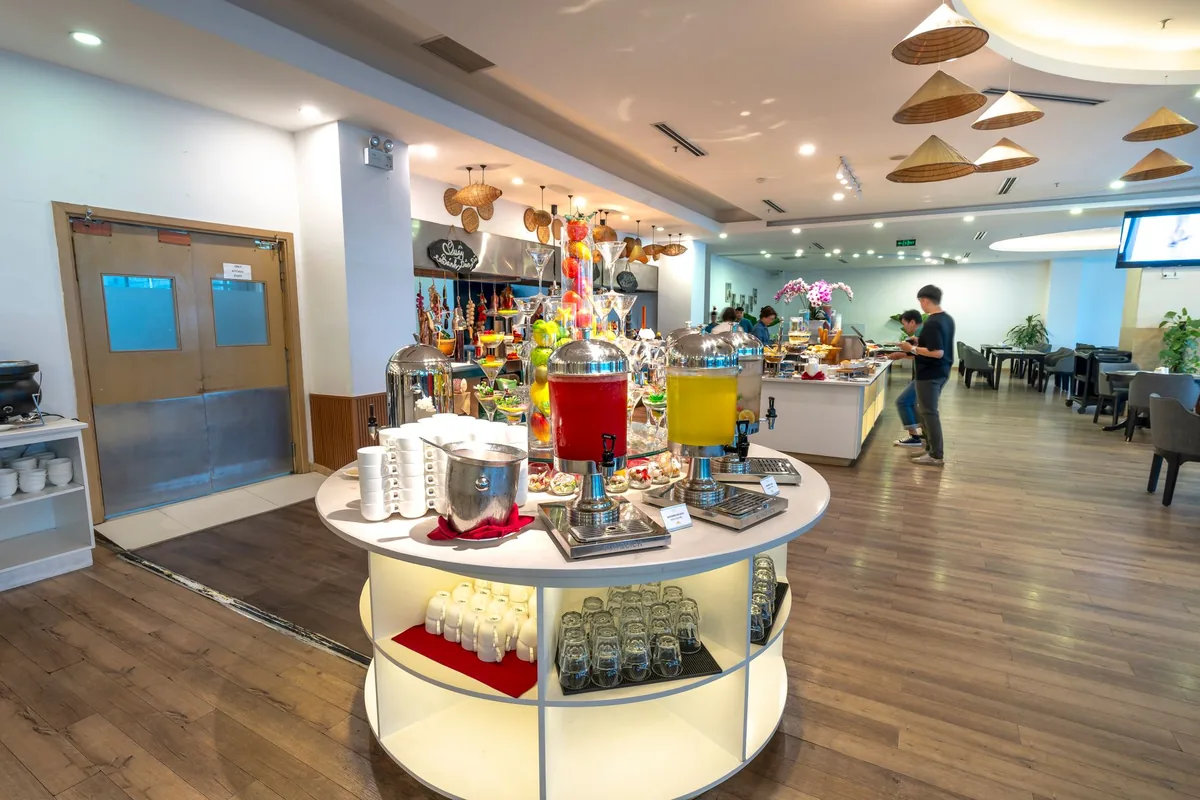
Travelers want the option to strip out amenities they do not plan to use, directly linking package costs to their personal consumption habits [1]. As Asian Hospitality reported from Booking.com’s 2027 Travel Predictions, 66 percent of surveyed consumers want packages that allow them to remove services they do not expect to use [1].
This demand connects closely to wellness trends [1]. According to Booking.com, shifting health, body, or lifestyle habits influenced destination or activity choices for 67 percent of respondents in recent years [1]. Furthermore, 58 percent reported that their diet influences where they stay or travel, pushed by sobriety culture, macro-conscious eating, and appetite-altering medications [1]. Paul Hennessy, Booking.com’s chief marketing officer, noted that travelers are challenging conventions around travel, aided by technology that grants them greater freedom [1].
How does transparent attribute-based pricing impact booking intent?
Displaying individual feature costs significantly increases customer booking intentions by lowering perceived complexity and enhancing feelings of fairness [1]. An academic study published in the February 2026 issue of the International Journal of Hospitality Management examined guest reactions to attribute-based pricing models [1].
Researchers Basak Denizci Guillet, Yongli Zhang, Melih Madanoglu, and Lisa Gao evaluated three specific structures: standard room rates, customizable options without itemized prices, and customizable rates with explicit feature prices [1]. As detailed by Asian Hospitality, presenting itemized feature prices reduced perceived complexity compared with standard room pricing [1]. The transparent format also lifted booking intentions and perceived fairness beyond both competing formats [1].
| Pricing Format Tested | Perceived Complexity | Fairness Perceptions | Booking Intentions |
|---|---|---|---|
| Traditional Preset Room Pricing | Baseline (Higher) | Standard | Standard |
| Customizable Without Feature Prices | Moderate | Lower than itemized | Lower than itemized |
| Customizable With Itemized Feature Prices | Reduced vs traditional | Improved vs other formats | Improved vs other formats |
Does unbundling room rates increase hotel operating profit?
Unbundling room rates does not guarantee higher operating profit because it lowers the gross rate paid by the guest [1]. When a guest opts out of an amenity, top-line package revenue falls [1]. Profitability depends on whether the hotel successfully avoids delivery expenses and whether the guest purchases higher-margin add-ons instead [1].
The International Journal of Hospitality Management study evaluated customer psychological responses rather than actual hotel financial performance [1]. Clear prices make consumers more inclined to book, but management must still verify whether the final rate covers operational delivery costs [1].

How should operators test flexible pricing models before rollout?
Operators should run isolated trials comparing an unbundled offer against established packages across a single property or customer demographic before rolling it out widely [1]. Because survey findings reflect stated traveler preferences rather than finalized purchasing actions, direct operational data is necessary [1].
Owners must first audit existing package inclusions, examining how frequently guests actually consume each feature alongside the cost required to fulfill it [1]. Underutilized services represent obvious candidates for unbundling, though eliminating them entirely risks weakening overall perceived stay value [1]. Teams should monitor booking conversions, guest satisfaction, net contribution margin, and total revenue per stay throughout any pilot [1].
How does the current capital environment affect hotel amenity decisions?
Tighter financing conditions require hotel developers to evaluate amenity construction and operational costs rigorously before committing capital [1]. According to data from Access Point Financial reported by Asian Hospitality, lender selectivity, margin pressure, and elevated debt costs dictate which U.S. hospitality projects proceed [1].
Because financing hurdles continue to stall new construction, developers increasingly turn toward acquisitions, brand conversions, and property renovations [1]. For these capital-constrained projects, investors require concrete proof from pilot tests before assuming that unbundled models or new amenities will produce viable returns [1].
Reported by
This article was written from the following reporting. Follow the links for the original coverage.
- [1]Unbundled Hotel Pricing Faces Profitability Test— asianhospitality.com
Frequently asked
+What share of travelers want unbundled hotel packages?
According to Booking.com survey data, 66 percent of travelers want hotel packages that allow them to remove services they do not expect to use during their trip.
+Does showing itemized room feature prices increase bookings?
Yes. A February 2026 study in the International Journal of Hospitality Management showed that displaying clear feature prices reduced perceived complexity and improved guest booking intentions compared with standard pricing.
+Why does unbundled pricing pose a risk to hotel margins?
Allowing guests to drop services decreases package revenue. Profitability only holds if avoided operational delivery costs and replacement sales equal or exceed the discount provided to the guest.
+Which metrics should revenue managers track during a pricing trial?
Hotel operators should track total revenue per stay, booking conversion rates, contribution margin, and guest satisfaction when comparing flexible pricing pilots against traditional room packages.
+How are current financing conditions affecting hotel amenity strategies?
Access Point Financial found that elevated debt costs and lender selectivity are driving developers away from new builds toward renovations and conversions, making amenity return validation essential.
Keep reading
Our reporting