UK Hotel Capital Pivots to Conversions and Flex Living
High build costs drive UK hospitality investors and lenders into heritage refurbishments, office overhauls, and extended-stay assets.
The short answer
High construction costs across the UK are pushing institutional capital away from ground-up developments and into heritage refurbishments, office conversions, and flex living formats. Lenders and operators are adjusting deal structures, turning to HMAs and Sui Generis planning to secure target returns.

The short version
- OakNorth Bank maintains £4 billion of hospitality debt across its £17 billion book, prioritising value-add and conversion projects.
- The Ascott Limited scales compact flex units down to 16 square metres across brands like Citadines and lyf.
- DFI LLP and ParkProperty Europe are pivoting toward Sui Generis coliving planning and hotel management agreements over fixed leases.
Soaring construction costs have made ground-up hotel development less attractive across the UK, compelling investors and lenders to redirect capital into value-add refurbishments, commercial office conversions, and flexible residential hybrid models [1]. By acquiring heritage buildings, converting underused office space, and deploying flexible extended-stay concepts, operators can unlock higher operating margins and sidestep cost pressures [1].
Why are ground-up developments losing out to conversions?
Escalating construction costs have eroded the economic viability of ground-up development, pushing investors toward value-add refurbishments of existing properties [1]. As Boutique Hotel News reported from the Annual Hospitality Conference (AHC), Andrew Dean, co-founder of Oberland, explained that soaring build costs make capital-intensive new builds unappealing, creating stronger returns in heritage properties with operational inefficiencies [1]. Oberland targets city-centre assets where architectural character can be retained over standardized designs [1]. Sourcing such deals relies on direct relationships with owners and lenders to identify off-market recapitalisations [1]. Oberland partners on a deal-by-deal basis with institutional co-investors, including Singapore-based fund RealVantage, to target properties such as Glasgow’s Arthouse Hotel and Manchester’s Heathcote Hotel [1].

How are lenders altering their underwriting for hospitality conversions?
Debt providers are shifting their underwriting focus toward construction and value-add opportunities because traditional long-term financing margins face competitive pressure [1]. According to servicedapartmentnews.com, Deepesh Thakrar, managing director of debt finance at OakNorth Bank, confirmed that hospitality makes up £4 billion of the lender’s £17 billion total loan book [2]. While core regional leisure destinations like London and Manchester sustain solid demand, debt margins are tightening [1].
Consequently, lenders are backing conversion plays, particularly where falling commercial office rents and widening cap rates in central business districts unlock viable conversion targets [1]. OakNorth demonstrated this flexibility by financing Peninsula House, an island site in the City of London, prior to formal planning consent [1]. The bank based its underwriting on positive pre-application planning feedback, borrower track record, sponsor equity, and local accommodation supply [1].
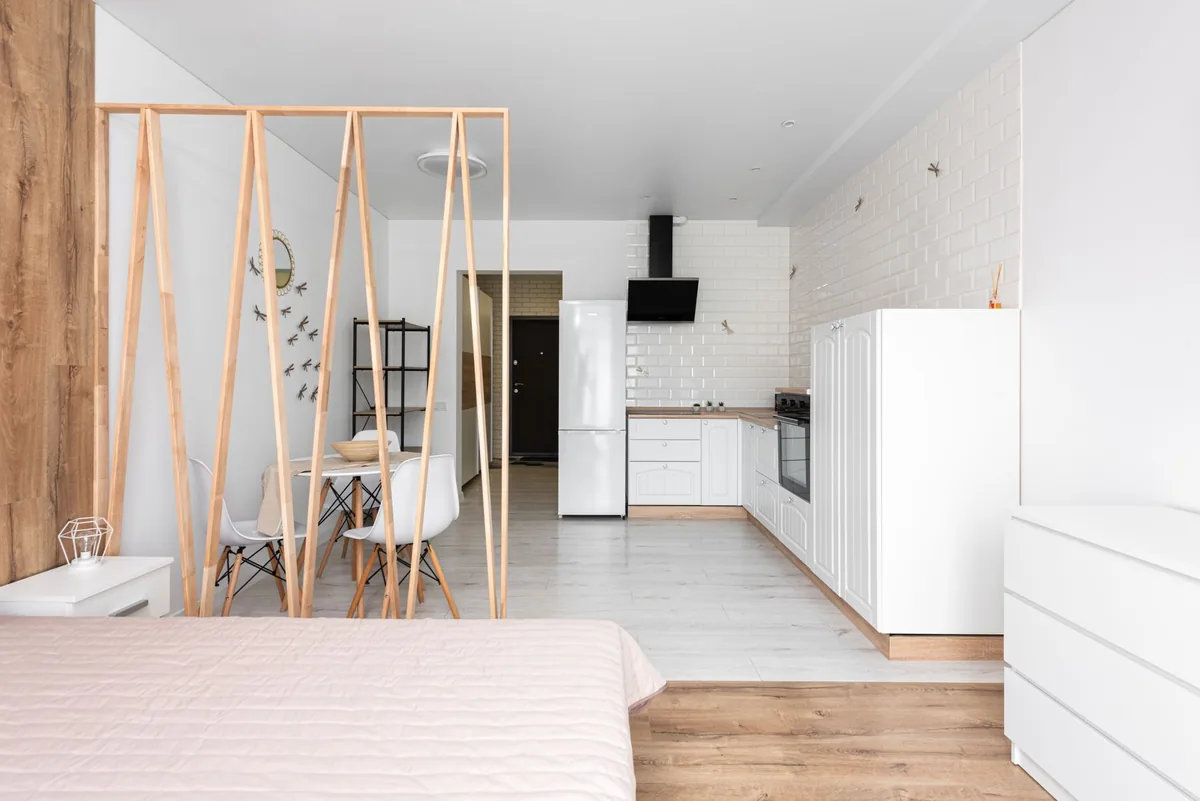
How are operators protecting profit margins inside existing floorplates?
Hospitality operators are converting underutilised meeting rooms and communal spaces into bedrooms to maximise revenue per square metre [1]. This "bed factory" model allows mid-market properties to increase room counts quickly without the prohibitive expense of building extensions [1].
| Company / Institution | Target Asset or Brand | Strategy / Operating Model | Reported Metrics / Scope |
|---|---|---|---|
| Oberland / RealVantage | Arthouse Hotel (Glasgow), Heathcote Hotel (Manchester) | Heritage city-centre value-add refurbishments | Off-market recapitalisations [1] |
| OakNorth Bank | Peninsula House (City of London) | Office-to-hotel debt conversion financing | £4bn hospitality in £17bn loan book [1] |
| The Ascott Limited | Citadines | Extended-stay serviced residences | 4.5-night average stay [1] |
| The Ascott Limited | lyf | Social living flex hospitality | 1.5–2.5 night average stay; units down to 16 sqm [1] |
| ParkProperty Europe | Staybridge Suites (Newcastle, Liverpool) | Transition from fixed leases to HMAs | Acquisitions backed by operational risk model [1] |
What role does flex living play in capital reallocation?
Flexible living concepts blend traditional hospitality operational intensity with longer tenancy models to capture stronger gross operating profits [1]. Serviced apartments aim for gross operating profit (GOP) targets in the mid-30s, outpacing the returns of lower-opex build-to-rent (BTR) models despite carrying greater operational demands [1].

Alexandra van Pelt, development director for Northern Europe at The Ascott Limited, defined this "hotelised living" trend by space flexibility and length of stay rather than standard room sizing [1]. Ascott operates extended-stay serviced residences via Citadines, which records an average stay of 4.5 nights, alongside social living brand lyf, which averages 1.5 to 2.5 nights [1]. The lyf concept incorporates compact units that scale down to 16 square metres to maximise space efficiency [1].
How are deal structures and planning classifications shifting?
Alternative planning use classes and flexible management agreements are replacing rigid lease structures and traditional hotel planning designations [1]. Francesco Orofino, investment director at DFI LLP, stated a preference for Sui Generis coliving schemes over traditional C1 hotel planning, citing clearer underwriting profiles and superior exit liquidity [1].
Operational risk-sharing is also accelerating on the contract side [1]. Robin von Bothmer of ParkProperty Europe noted that the company is actively moving away from fixed leases in favour of hotel management agreements (HMAs) [1]. The group recently applied this structure to acquisitions of Staybridge Suites properties in Newcastle and Liverpool, allowing capital partners to participate directly in operational upside as market dynamics evolve [1].
Reported by
This article was written from the following reporting. Follow the links for the original coverage.
- [1]UK Hotel Investors Pivot to Conversions and Value-Add Deals— Boutique Hotel News
- [2]UK Hospitality Capital Pivots to Conversions and Flex Living— servicedapartmentnews.com
Frequently asked
+Why are UK investors shifting away from ground-up hotel developments?
Soaring construction costs have made ground-up builds less attractive. Capital is moving into value-add refurbishments of city-centre heritage properties and commercial office buildings that offer lower capital requirements and retain architectural character.
+What criteria are debt lenders prioritising for conversion projects?
Debt providers like OakNorth Bank evaluate borrower track record, sponsor equity, local accommodation supply, and positive pre-application planning feedback, even financing assets before formal planning consent is granted.
+How does flex living profitability compare to build-to-rent?
While build-to-rent offers lower operational expenses and steady yields, serviced apartments deliver higher gross operating profit targets in the mid-30s, balancing higher operational demands with better financial upside.
+Why are investors favouring Sui Generis coliving over C1 hotel planning?
Investors favour Sui Generis coliving over C1 hotel planning due to clearer underwriting metrics and improved exit liquidity in the institutional investment market.
+What is the bed factory model in mid-market hotels?
The bed factory model involves converting underutilised communal and meeting spaces into extra guest rooms, enabling operators to protect margins and raise room revenue per square metre.
Keep reading
Our reporting


More in finance