Group Spend: Hotels Urged to Look Beyond Occupancy
Hoteliers should move away from pure room-block occupancy to drive total group spend across ancillary spaces, catering, and packaged dates.
The short answer
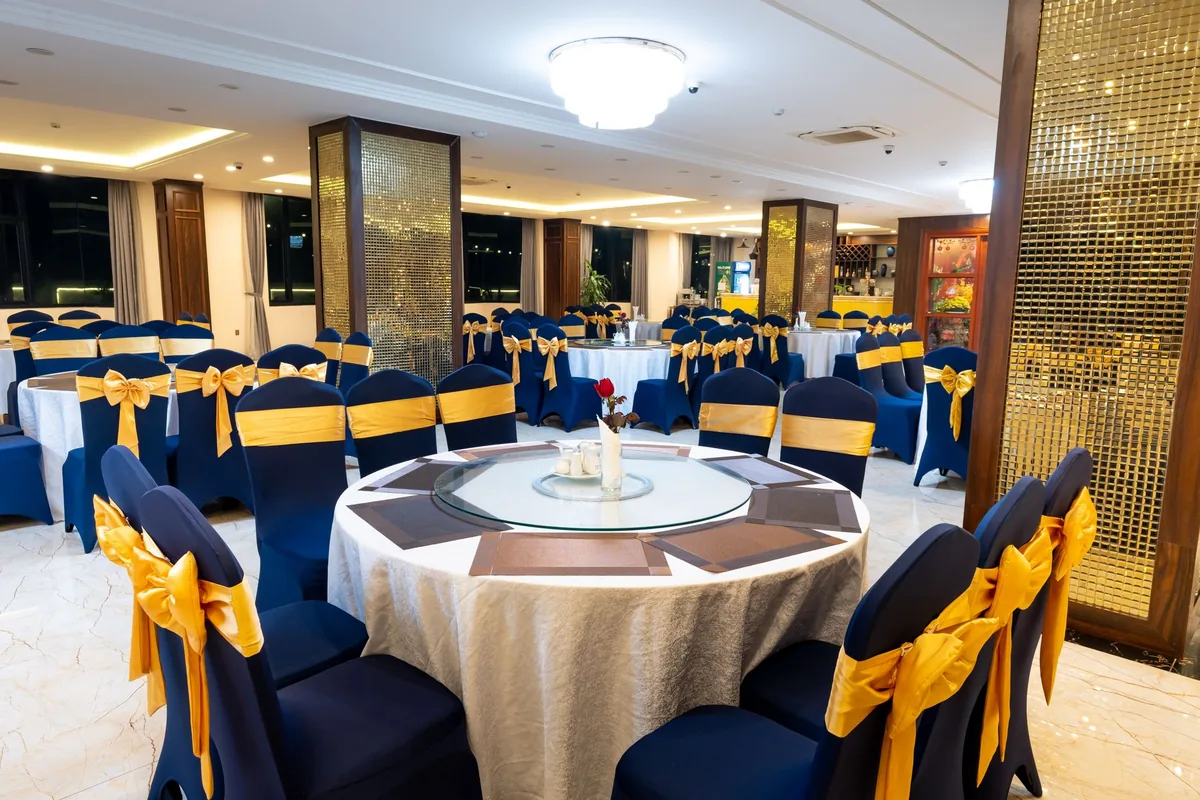
Hoteliers are urged to look beyond basic room block occupancy this fall by capturing total group spend across meetings, food, and ancillary services. Operators can drive higher margins by monetizing underused spaces and packaging inclusions instead of discounting room rates.
The short version
- Newport Hospitality Group recommends auditing the full lifecycle of booked events to capture incremental catering and ancillary spend.
- September and October serve as the primary sales window for booking corporate holiday events before budgets close.
- Select-service operators can generate extra margin by monetizing empty meeting rooms, parking, and neighborhood venue partnerships.
Hotels must maximize total group spend instead of relying purely on filled room blocks to drive fourth-quarter performance, eHotelier reported [1]. Rather than pursuing incremental room volume alone, operators should capture auxiliary revenue from existing events, monetize underused square footage, assemble value-add bundles instead of rate cuts, and sell holiday functions starting in September and October [1].
Why Is Room Count an Incomplete Group Metric?
A full hotel does not automatically mean a maximized property, according to eHotelier [1]. Hotel operators have traditionally approached the autumn period with a familiar playbook centred on filling guestrooms, locking in group room blocks, and finishing the operating year with high occupancy [1]. However, this volume-based approach leaves revenue on the table by overlooking the business already in-house [1].
Newport Hospitality Group advises that measuring hotel performance primarily by room counts overlooks the total value created from every guest and gathering [1]. For the final quarter of 2026, compelling top-line opportunities exist in auditing spaces, services, and functions linked to groups that have already contracted dates [1].
How Can Hotels Expand Revenue Beyond the Wedding Room Block?
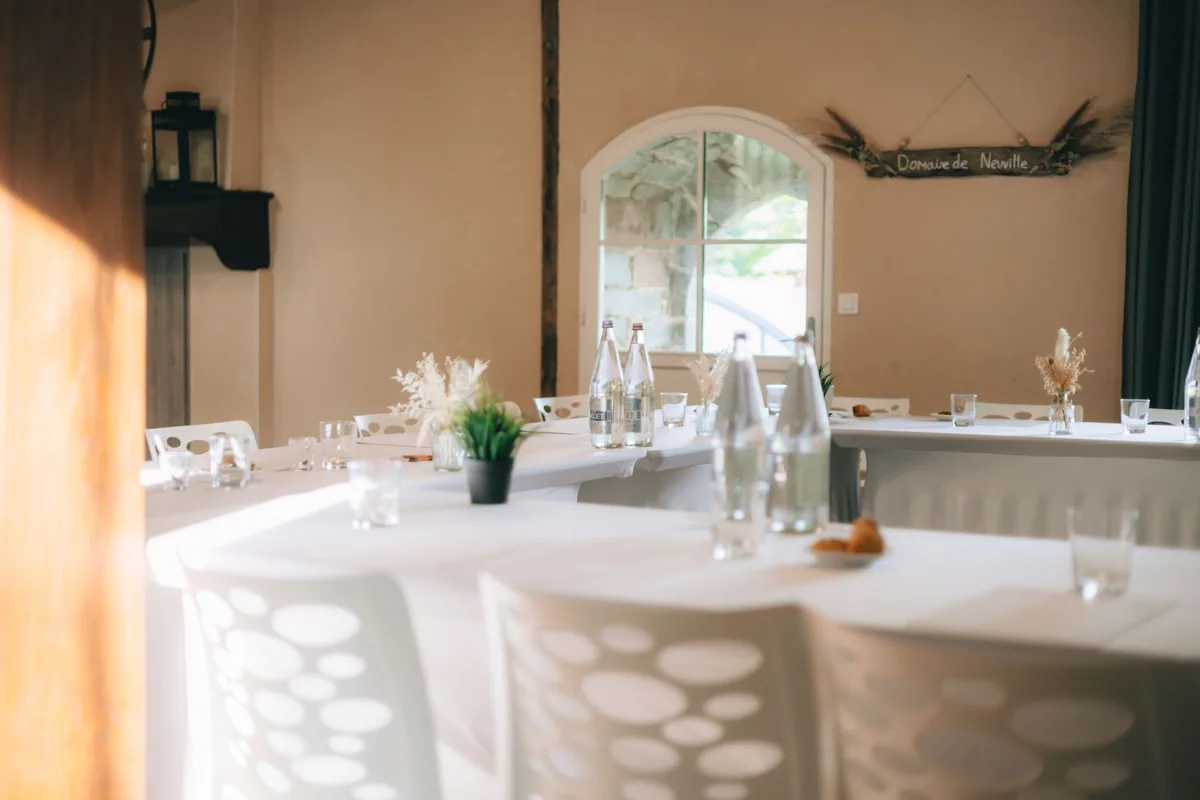
Hotels can capture expanded revenue by supplying peripheral events across an entire weekend rather than limiting involvement to a sleeping block or a single dinner [1]. A wedding weekend provides opportunities to host a Friday welcome reception, rehearsal dinner, premium suite upgrades, Sunday farewell breakfast, and smaller interim get-togethers [1]. Each ancillary function delivers incremental revenue while consolidating logistics for the organizer [1].
Properties without banquet halls can still access these margins [1]. Select-service hotels can capture extended stays, sell room upgrades, secure guest blocks, and build partnerships with nearby wedding venues [1]. Corporate gatherings reflect the same structure: a firm reserving day meeting space often requires guestrooms, audiovisual services, parking, and dedicated space for employee appreciation dinners [1]. The hospitality challenge is anticipating these requirements rather than simply checking room availability [1].
What Spaces Offer Untapped Revenue Assets?
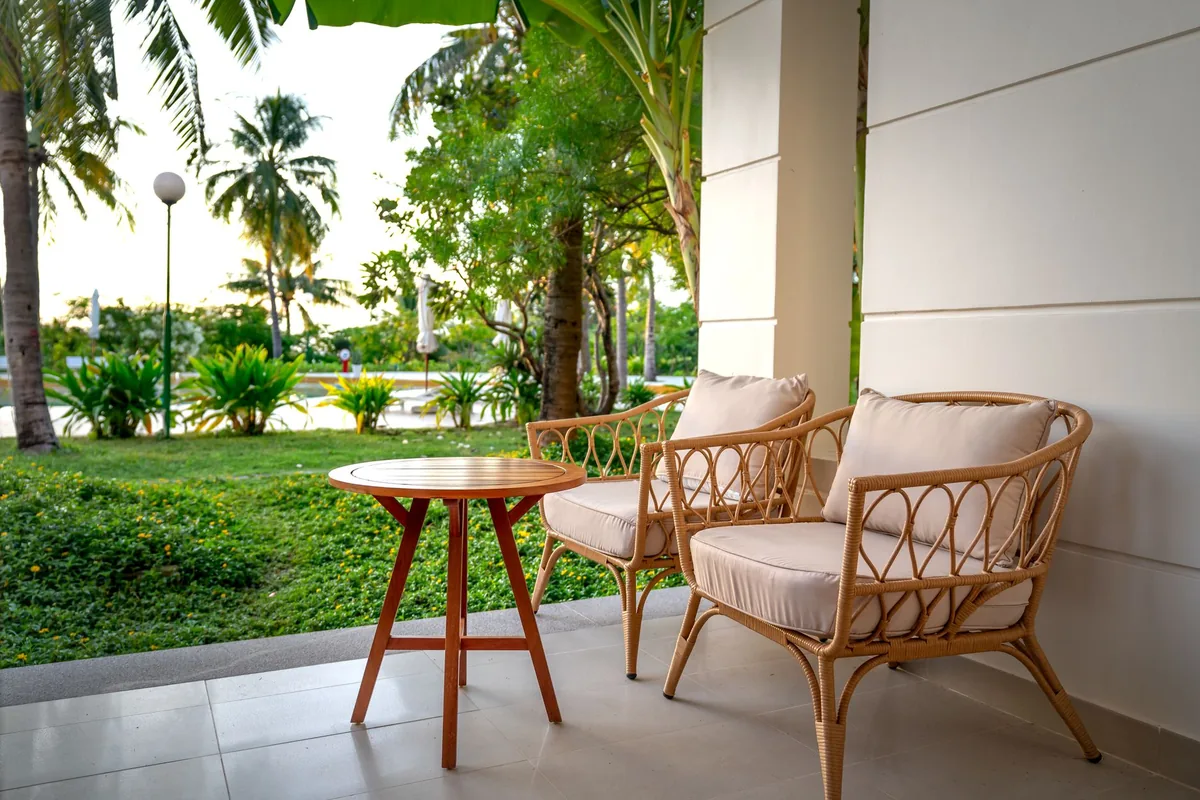
Meeting rooms, dining rooms, and exterior grounds frequently remain unmonetized during off-peak windows of the week, eHotelier reported [1]. Operators frequently treat physical spaces merely as customer amenities instead of revenue-producing real estate [1]. A meeting room that sits vacant on a Thursday afternoon can house professional networking, while a restaurant private dining room can accommodate corporate recognition events [1].
| Property Type | Target Physical Space | Monetization Strategy |
|---|---|---|
| Full-Service | Private dining rooms, bars, and patios | Catering, corporate appreciation dinners, and fall celebrations [1] |
| Full-Service | Ballrooms and boardrooms | Bundled audiovisual rentals and multi-day agenda events [1] |
| Select-Service | Lobby zones and small meeting spaces | Local community gatherings and professional networking [1] |
| Select-Service | Parking areas and room inventory | Premium upgrades, breakfast add-ons, and extended stays [1] |
Local community residents provide another base of demand [1]. Properties should position themselves as public gathering places for area businesses and families rather than limiting access to overnight travelers [1]. Full-service hotels can drive foot traffic into restaurants and bars, whereas select-service properties can activate small meeting areas through neighborhood partnerships [1].

When Should Hotels Sell Corporate Holiday Parties?
Hotels should begin actively selling corporate holiday events during September and October rather than waiting until the end of the year [1]. Delaying holiday sales until November forces properties to fight over remaining dates and reduced client budgets [1]. Early campaigns allow teams to capture corporate celebrations, employee appreciation gatherings, association events, and New Year’s Eve business ahead of the rush [1].
Demand patterns for end-of-year gatherings are also moving away from standard formats [1]. Many organizations no longer request formal banquets, seeking instead private dinners, small receptions, or casual gatherings [1]. Transparent holiday gathering packages featuring clear inclusions simplify purchasing decisions for event planners [1]. Select-service operations can target holiday business by housing out-of-town attendees celebrating at off-site event centers or accommodating multi-room family reunions [1].
Why Should Operators Package Amenities Instead of Discounting?
Packaging amenities protects base room rates while raising perceived guest value above what rate discounting achieves, eHotelier reported [1]. Lowering room rates is an easy tactic to stimulate fall volume, but it undermines profitability [1]. A weekend leisure package bundling parking, breakfast, a late checkout, or local attraction tickets retains rate integrity [1].
Similarly, corporate bundles can integrate meeting room hire with audiovisual technology, while wedding packages can incorporate suite upgrades for the couple [1]. Revenue management, sales, and operations departments must evaluate packages jointly to prevent costs from exceeding incremental income [1]. An amenity package succeeds only when it aligns with operational capabilities and protects margins [1].
Reported by
This article was written from the following reporting. Follow the links for the original coverage.
- [1]Hotels Urged to Maximize Total Group Spend— eHotelier
Frequently asked
+Why is room occupancy alone an incomplete group metric?
High occupancy does not guarantee maximized revenue. Focusing strictly on selling blocks overlooks additional spend from catering, audiovisual technology, extended stays, parking, and pre-event receptions.
+How can select-service hotels capture wedding group revenue?
Select-service properties without ballrooms can capture business through room blocks, premium suite upgrades, extended stays, paid parking, breakfast sales, and partnerships with nearby wedding reception venues.
+When is the optimal time to sell hotel holiday parties?
Hotels should sell holiday parties during September and October. Waiting until November leaves properties competing for whatever budgets and open dates remain in the market.
+What spaces can hotels monetize during low-demand periods?
Empty Thursday meeting rooms can host professional networking gatherings, restaurant private dining rooms can house recognition dinners, and outdoor patios or lobby areas can host community events.
+Why should hotels avoid discounting room rates in the fall?
Rate discounting degrades baseline room revenue. Packaging rooms with breakfast, parking, late checkouts, or audiovisual equipment delivers customer value while defending the property's average daily rate.
Keep reading
Our reporting