Hotel Operators Urged to Revisit Operational Basics
Hospitality leaders advise focusing on labor productivity, property-level procurement flexibility, and selective AI tools during economic volatility.
The short answer
Hospitality leaders are urging hotel operators to preserve margins by focusing on labor productivity, working operational tools, and property-level purchasing decisions. Rather than cutting quality on visible guest amenities like bacon and coffee, managers should eliminate prep waste and use AI for administrative analysis.
The short version
- Hotel Equities emphasizes managing employee productivity instead of solely monitoring gross labor payroll.
- Concord Hospitality warned against downgrading visible guest amenities such as breakfast bacon and coffee.
- Entegra cautioned that artificial intelligence tools require human oversight and thoughtful operational prompts.
Hotel operators facing ongoing economic uncertainty must refocus on core operational disciplines, improve labor productivity, empower on-property leaders to control local costs, and protect visible guest amenities, according to hospitality executives speaking on a Hotel Business panel [1]. Instead of cutting product quality or tracking only raw payroll dollars, management companies are prioritizing equipment readiness, menu engineering, and targeted automation to preserve operating margins [1].
How should operators measure and manage hotel labor?
Labor management must center on staff productivity rather than tracking gross payroll expenditure alone, according to Hotel Equities Senior Vice President of Operations for Full Service Daniel Block [1]. Block explained on the Hotel Business webinar that while labor represents a property's largest single cost, executive teams often fail to evaluate whether on-property staffing yields appropriate output [1]. Reviewing productivity ensures the property receives a clear operational return on its investment across housekeeping, lobby attendants, front desk receptionists, and food-and-beverage teams [1].
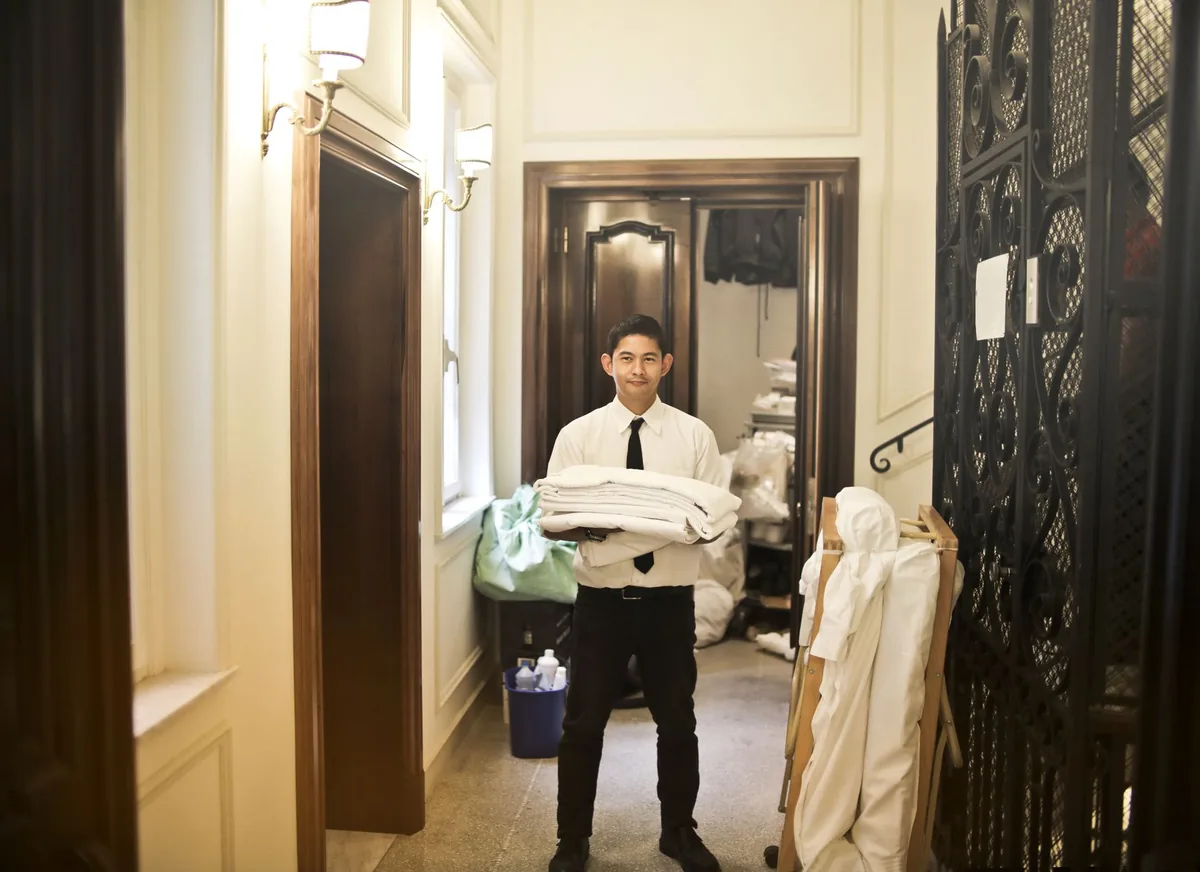
Operational readiness directly dictates whether employees can perform their tasks productively, Hotel Business reported [1]. LBA Hospitality President Beau Benton noted that productivity and staff morale drop quickly when basic operational items are missing [1]. Keeping storage rooms organized, ensuring housekeeping carts are stocked, maintaining working vacuum cleaners, and supplying adequate linen allow line-level workers to complete their shifts without avoidable delays [1]. Block confirmed that Hotel Equities traced an apparent staff turnover problem directly back to foundational equipment shortfalls, such as properties lacking sufficient linens, uniforms, and functioning vacuums [1].
Where should hotel food and beverage cut costs without damaging guest satisfaction?
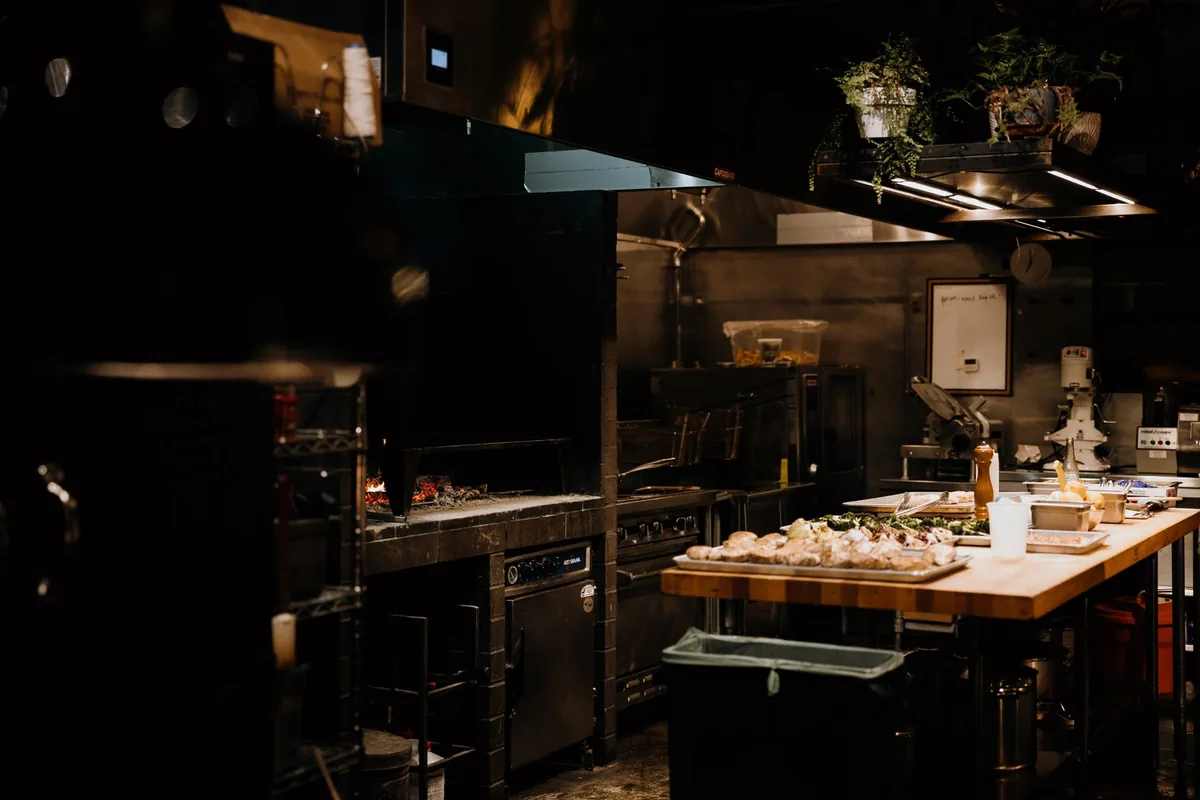
Cost reductions in food and beverage must target kitchen prep waste, over-portioning, and excessive inventory rather than lowering the baseline quality of visible guest items [1]. Concord Hospitality Enterprises Chief Operating Officer Will Loughran stressed that hospitality companies made visible errors by degrading basic food items in recent years [1]. Loughran cited breakfast bacon as a clear example where cutting costs too aggressively harmed the guest experience, noting that hotels downgraded tiers and scaled back portions to the detriment of customer perception [1].

Hotels cannot save their way to prosperity by degrading guest standards, Block said during the panel, pointing instead to production volume controls [1]. Preparing two cases of breakfast bacon when morning covers require only one and a half cases leaves the property with hard inventory loss [1]. Entegra Vice President of Supply Growth and Procurement Amar Doshi highlighted coffee and bedding as core guest pillars that operators must leave untouched [1]. Rather than removing expected amenities or downgrading coffee grades, operators should right-size food-and-beverage menus, simplify selections, and tighten inventory controls [1].
| Executive | Company | Leadership Role | Operational Focus Area |
|---|---|---|---|
| Will Loughran | Concord Hospitality Enterprises | Chief Operating Officer | Menu portioning, procurement basics, guest perception |
| Beau Benton | LBA Hospitality | President | Equipment readiness, prep discipline, guest communication |
| Daniel Block | Hotel Equities | SVP, Operations, Full Service | Labor productivity, food waste, vendor contract reviews |
| Eric Rubino | Extreme Hospitality | COO and Principal | Property-level purchasing empowerment |
| Amar Doshi | Entegra | VP, Supply Growth & Procurement | Core guest amenities, menu right-sizing, thoughtful AI use |
Why must property general managers retain procurement flexibility?
Corporate procurement structures must grant general managers the flexibility to bypass corporate vendor lists when local market pricing fluctuates, Extreme Hospitality COO and Principal Eric Rubino stated [1]. As management portfolios expand, centralized procurement mandates can limit a general manager's ability to adjust quickly to local supplier realities [1]. Rubino explained that while centralized systems dictate approved vendors, on-property teams often discover identical supplies at lower costs outside the pre-negotiated corporate catalog [1].

Loughran echoed this balance, explaining that general managers must combine centralized supply resources with their direct knowledge of local guest expectations [1]. Concord Hospitality experienced this volatility directly during periods of shifting import duties and food resource costs [1]. After weeks of reacting to fluctuating prices for produce such as tomatoes and avocados, company leadership decided to reset property teams on procurement basics, portioning guidelines, and local food control rather than making erratic item-by-item shifts [1]. Benton added that property teams should tailor amenities to the guest profile, such as stocking a Diet Coke in a room only when it matters to that specific guest, avoiding unnecessary portfolio-wide expense [1].
How can hotel managers apply artificial intelligence to routine administration?
Hotel operators can apply artificial intelligence to streamline dense administrative workflows, contract evaluations, and market-level pricing reviews, Block told the panel [1]. Block detailed how Hotel Equities deployed AI to evaluate three separate elevator maintenance contracts [1]. Each contract spanned 25 to 35 pages; the system reviewed the documents and generated a summary highlighting their core differences and similarities [1].
Management teams are also testing AI to review regional menu pricing against market benchmarks and synthesize guest feedback patterns, Block said [1]. However, technology serves as an operational aid rather than an autonomous decision-maker [1]. Doshi observed that Entegra applies AI across its digital and data operations, but cautioned that AI output remains entirely dependent on the operator's prompt quality and oversight [1].
Reported by
This article was written from the following reporting. Follow the links for the original coverage.
- [1]Hotel Leaders Urge Focus on Core Operations— Hotel Business
Frequently asked
+Why should hotel operators focus on labor productivity over total labor dollars?
Tracking only gross labor costs overlooks whether staffing levels match property demand. Hotel Equities executive Daniel Block explained that operators must evaluate productivity to ensure housekeepers, front desk receptionists, and food-and-beverage staff deliver measurable operational value for every payroll dollar spent.
+How does basic equipment availability impact hotel staff turnover?
Lacking basic operational supplies hurts both productivity and employee morale. Hotel Equities found that an apparent staff turnover problem was caused by fundamental shortages, including inadequate supplies of linen, uniforms, and working vacuum cleaners needed to finish daily shifts.
+What food and beverage items should hotel operators avoid downgrading?
Panelists warned against degrading visible amenities like bedding, coffee, and breakfast bacon. Concord Hospitality COO Will Loughran noted that guests notice and react negatively to downgraded food tiers, making it better to reduce waste and trim portions instead.
+Why do hotel management companies need local procurement flexibility?
Strict corporate vendor lists can prevent general managers from finding lower prices nearby. Extreme Hospitality COO Eric Rubino noted that scaling portfolios often impose rigid vendor catalogs, even when property-level managers can purchase the same operational supplies cheaper elsewhere.
+How can hotel operators safely use artificial intelligence in daily operations?
Operators use AI to condense 25- to 35-page vendor contracts, benchmark regional menu pricing, and analyze guest comments. Entegra executive Amar Doshi stressed that AI tools remain dependent on thoughtful human prompts and cannot replace operational expertise.
Keep reading
Our reporting


More in operations