Hotel IT Unification: Operators Drop Siloed Systems
Hospitality groups are replacing disconnected legacy software with single platforms to streamline operations and unlock ancillary bookings.
The short answer
Multi-property hospitality operators are consolidating fragmented legacy software into unified booking and management platforms. Recent initiatives by ExplorUS and SABA highlight the operational shift toward integrated lodging, dining, and activity platforms.
“Our portfolio is incredibly diverse, and we needed a partner that could unify six systems into one while still adapting to the unique needs of each destination.”
The short version
- ExplorUS is consolidating six legacy lodging software systems into Cloudbeds across 30 national and state park properties.
- SABA's booking logic unifies dining reservations with activities like spa appointments, cabanas, and tennis courts on a single calendar.
- 30 properties across U.S. parks are gaining unified reporting and occupancy tracking under a single platform.
Multi-property operators are consolidating fragmented systems by shifting core lodging management and guest activity scheduling onto single, unified platforms [[1], [2]]. Rather than juggling separate tools for front desk, point-of-sale, dining, and activities, operators now combine these inventories into single dashboards to eliminate manual reconciliations, prevent double-bookings, and capture cross-selling revenue across their portfolios [[1], [2]].
Why are multi-property operators replacing legacy lodging tech?
Multi-property operators are replacing legacy systems because managing multiple detached platforms fragments portfolio data and prevents clear visibility into revenue, occupancy, and guest engagement [2]. As eHotelier reported, park hospitality concessionaire ExplorUS previously operated across six core lodging technology platforms to manage its diversified destinations [2]. Running distinct tools resulted in disconnected operational data and required teams to reconcile different performance reports across properties [2].
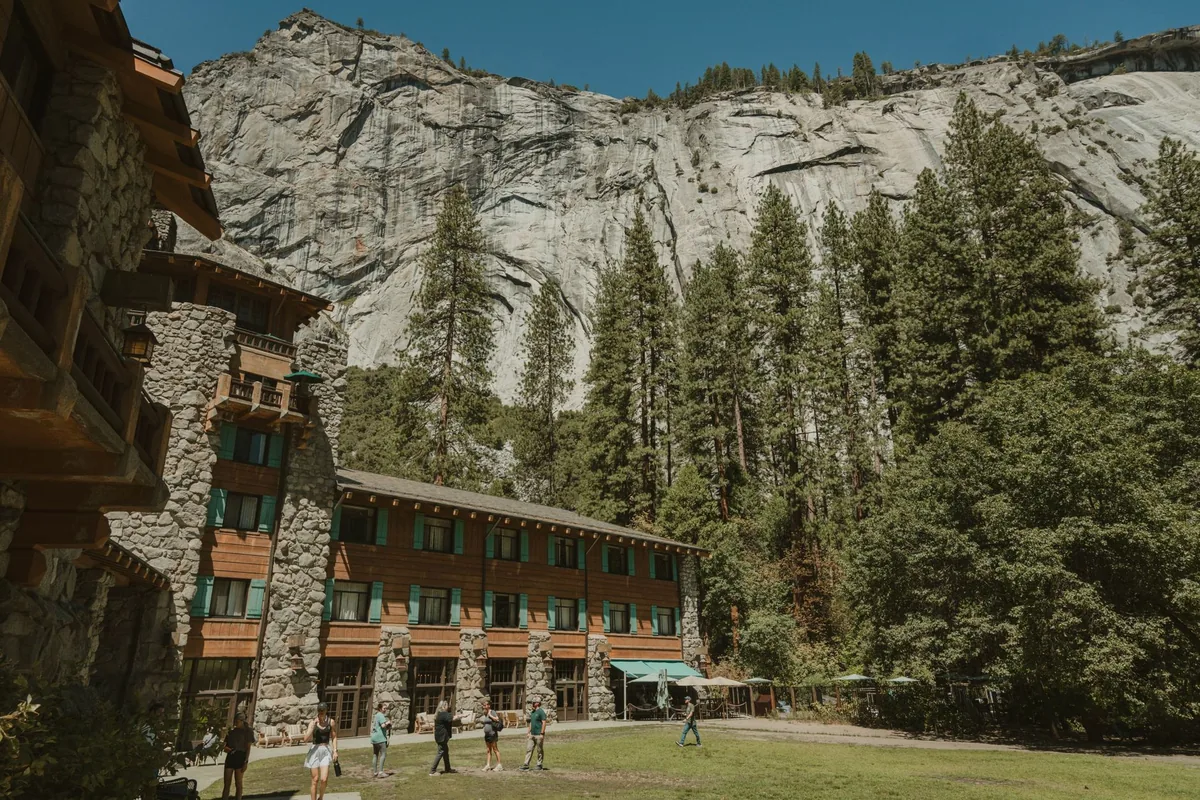
By migrating 30 park properties to Cloudbeds, ExplorUS is unifying its lodging operations under a single management system [2]. The concessionaire operates across more than 200 park destinations nationwide, managing hotels, lodges, restaurants, retail shops, attractions, camping facilities, and marinas [2]. Consolidating onto one system provides portfolio-level consistency for average daily rate, occupancy tracking, and guest marketing while accommodating the individual needs of national and state park destinations [2].
Why is table management moving away from standalone POS tools?
Table management is moving away from standalone point-of-sale tools because isolating dining reservations inside POS add-ons or paper logbooks creates booking conflicts and prevents multi-department bundling [1]. According to eHotelier, storing table inventory on disconnected platforms frequently results in double-bookings when the front desk and restaurant staff take simultaneous reservations without a shared calendar [1].
When treated as an activity rather than a point-of-sale extension, dining reservations become shared, bookable inventory alongside spa treatments, tennis courts, and cabana rentals [1]. SABA's Activity Booking Platform demonstrates this model by placing restaurant tables, event setups, and equipment rentals on a single real-time calendar [1]. This structure automatically blocks reserved inventory across all booking channels and allows hotel staff to manage approvals from one central dashboard [1].
| Company / Initiative | Previous Architecture | Unified Solution | Operational Scope |
|---|---|---|---|
| ExplorUS | 6 core lodging technology platforms | Cloudbeds hospitality platform | 30 lodging properties across U.S. national and state parks |
| SABA Activity Booking | Siloed POS add-ons, spreadsheets, clipboards | Unified activity and inventory engine | Tables, spa rooms, courts, cabanas, and rental equipment |
How does inventory consolidation unlock ancillary guest spend?
Inventory consolidation unlocks ancillary guest spend by presenting all available property experiences in a single guest-facing interface instead of forcing customers through separate booking paths [1]. When activity, wellness, and food-and-beverage inventories reside in one system, hotels can present automated add-ons and cross-sell packages during the checkout process [1].
As detailed by eHotelier, an integrated inventory engine allows hotels to trigger tailored recommendations [1]:

- Offering a €45 pre-dinner cooking class or wine tasting when a dinner reservation is confirmed [1].
- Adding a €25 clubhouse lunch booking directly onto a golf tee time [1].
- Delivering a €35 afternoon tea service directly to reserved poolside cabanas [1].
- Pairing wellness café meals with scheduled spa treatments [1].
- Attaching signature restaurant group menus to corporate conference room bookings [1].
How does tech unification reduce administrative workload?
Tech unification reduces administrative workload by removing manual calendar reconciliation, spreadsheets, and fragmented approval workflows from daily operations [[1], [2]]. When operations run across disconnected tools, staff spend hours cross-referencing availability across departments and manually matching performance numbers [[1], [2]].
A single interface provides real-time availability across every bookable space, allowing guests to complete self-service reservations and receive single confirmations [1]. On the enterprise level, unified management systems give corporate leaders real-time commercial oversight across diverse hospitality businesses, enabling operational teams to focus on on-site guest service rather than troubleshooting conflicting software reports [2].
Reported by
This article was written from the following reporting. Follow the links for the original coverage.
- [1]SABA Unifies Table Management with Hotel Activities— eHotelier
- [2]ExplorUS Unifies 30 Park Properties on Cloudbeds— eHotelier
Frequently asked
+Why are hospitality operators consolidating fragmented software systems?
Operators are consolidating systems to eliminate manual reporting, stop scheduling conflicts, and gain clear portfolio-wide oversight across lodging, dining, and activity operations [[1], [2]].
+How does unified booking improve ancillary revenue?
Unified booking combines tables, spa slots, and activities into one interface, allowing operators to automatically offer cross-sell packages such as dining bundles with golf or cabana bookings [[1]].
+How many lodging systems did ExplorUS consolidate?
ExplorUS consolidated six core lodging technology platforms into a single Cloudbeds platform across 30 park properties nationwide [[2]].
+What problem occurs when table reservations live inside POS add-ons?
Isolating table reservations creates data silos, causes double-bookings between front desks and restaurants, and prevents hotels from cross-selling dining with other guest activities [[1]].
+What types of inventory does SABA combine into a single calendar?
SABA combines restaurant tables, tennis courts, spa appointments, poolside cabanas, event spaces, and rental equipment into one real-time availability dashboard [[1]].
Keep reading
Our reporting

More in technology