Hotel F&B Margins: New Metrics, Menus, and In-House Models
Operators shift away from percentage targets toward gross profit dollars, kitchen waste controls, and neighborhood dining concepts.
The short answer
Hotel F&B operators are moving away from traditional beverage cost ratios to focus on gross profit dollars and targeted menu architecture. By cutting kitchen prep waste and taking restaurant operations in-house, properties protect bottom-line returns.
“the vision of TPG is to reintroduce food and beverage as a very important component of the overall guest experience.”
The short version
- TPG Hotels & Resorts is prioritizing in-house F&B operations over third-party management to capture local dining traffic.
- Hilton cut banquet and kitchen food waste through its Taste of Zero Waste pilot and AI-assisted tracking.
- CAD 29,000 in additional gross profit was generated in a modeled hotel shift despite a three-percentage-point rise in beverage cost ratio.
Hotel food and beverage directors protect departmental margins by abandoning simple cost percentages in favor of gross profit dollar tracking, structured beverage architecture, and data-backed kitchen waste reduction. By planning banquet production against historical data, engineering wine lists with price anchors, and self-operating neighborhood concepts, operators shield profitability across three central areas of hotel dining [[1], [2], [3]].
How do waste tracking and zero-waste menus lower kitchen leakage?
Culinary teams treat kitchen scraps as menu ingredients rather than disposal expenses to lower operating outlays directly [1]. According to eHotelier, an analysis of a hotel kitchen revealed that garnish waste alone accounted for roughly 8% of total food cost leakage [1]. To counter this loss, hotel groups pilot structured programs such as Hilton's "Taste of Zero Waste" across their portfolios, encouraging chefs to turn banana skins into leavening agents and ferment watermelon rinds into condiments dubbed "trimchi" [1]. Paul Bates, executive head chef at the Hilton London Metropole, developed zero-waste items for regular guests and catered banquets [1].
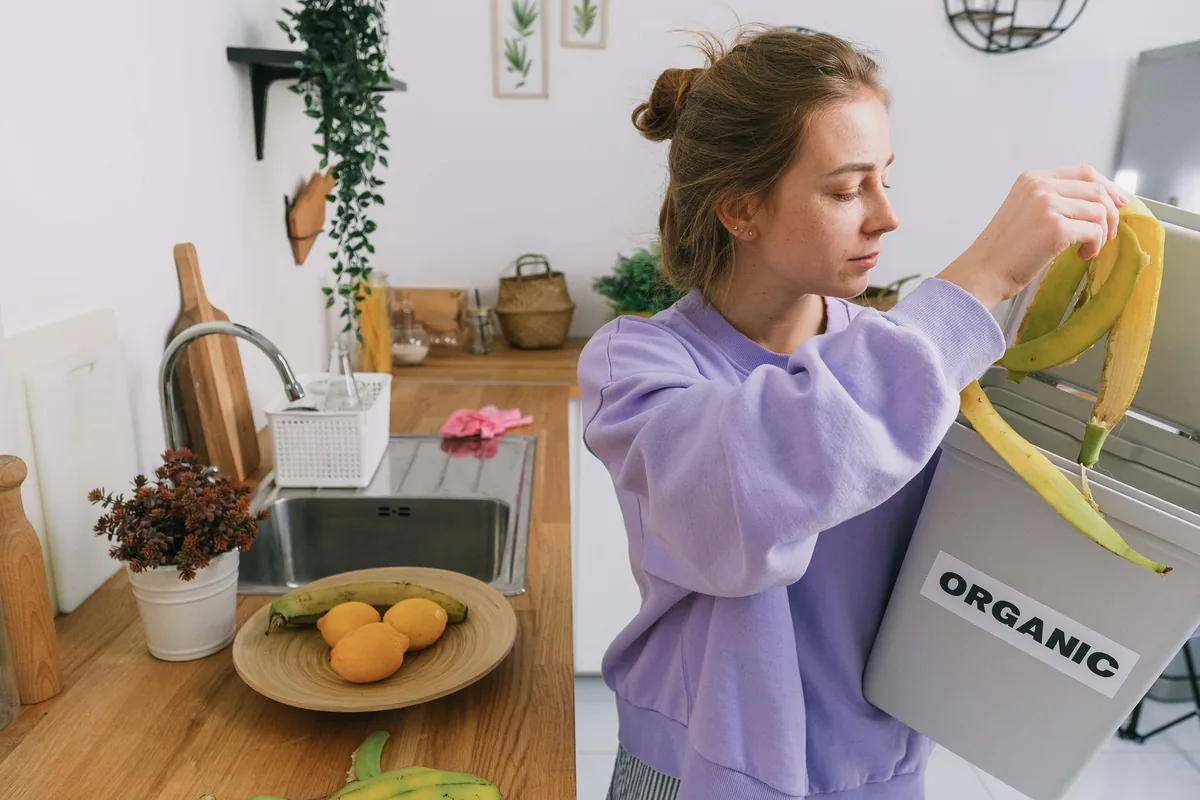
Technology-assisted waste management turns prevention into an exact operational practice [1]. Kitchens run AI tools and dedicated software alongside on-site aerobic digesters that convert scrap food into fertilizer or nutrient-rich water within 24 hours [1]. In group dining, banquet chefs plan portions with event sales staff using historical consumption records instead of over-prepping [1]. eHotelier reported that two large U.S. convention hotels diverted more than 30 tons of food from landfills in a single year through menu redesigns and expanded composting programs [1].
Why are hotel groups replacing third-party restaurant operators?
Hospitality groups bring dining operations back in-house to capture local neighborhood spending and deliver authentic food concepts [2]. Lodging Magazine reported that TPG Hotels & Resorts appointed Jens Baake as senior vice president of food and beverage to direct portfolio culinary operations, reversing older models that relied on outside operators [2]. Baake, formerly president of Acme Hospitality with leadership background at Paradies-Lagardère and The Palm Restaurant Group, directs immediate attention toward boutique properties where TPG self-operates F&B [2].
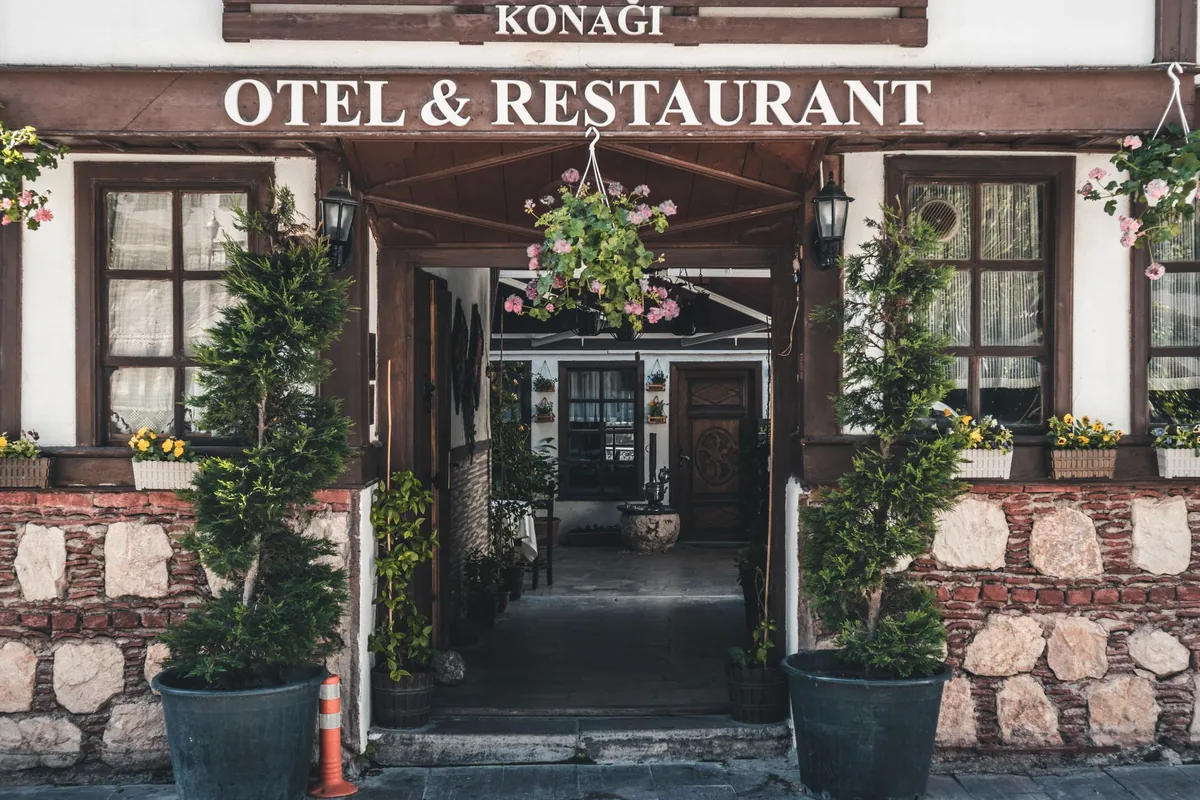
Targeting off-property diners provides a revenue buffer when room occupancy fluctuates [2]. Baake observed that at boutique hotels, most dining guests were neighborhood locals rather than staying guests [2]. Providing street-side access allows hotel venues to operate like standalone destinations rather than generic amenities [2]. Creating custom concepts internally gives hotel management direct control over service standards, guest experiences, and departmental bottom lines [2].
Why is beverage cost percentage misleading for profitability?
Beverage cost percentage tracks only the mathematical accounting ratio of product cost to sales, masking actual cash generation [3]. As eHotelier reported, two properties can record an identical 24% beverage cost while generating completely different financial returns [3]. One property hits 24% with basic beers and low-margin bottles that generate falling contribution per cover, while another delivers 24% by moving Champagne, signature cocktails, and premium bottles that produce higher gross profit dollars and room-to-gross operating profit flow-through [3].
Consolidated beverage cost percentages also fluctuate purely because of outlet sales mix changes [3]. For instance, if a property operates banquets at a 16% beverage cost, a lounge at 20%, and a dining room at 27%, a group-heavy month might yield CAD 300,000 in beverage revenue at a 21% cost, generating CAD 237,000 in gross profit [3]. When transient restaurant diners return the following month, revenue might rise to CAD 350,000 while the departmental ratio climbs to 24% [3]. While the cost ratio appears to deteriorate by three percentage points, the department actually generates CAD 266,000—delivering an additional CAD 29,000 in pure gross profit [3].
How should wine lists use price anchoring to lift gross profit?
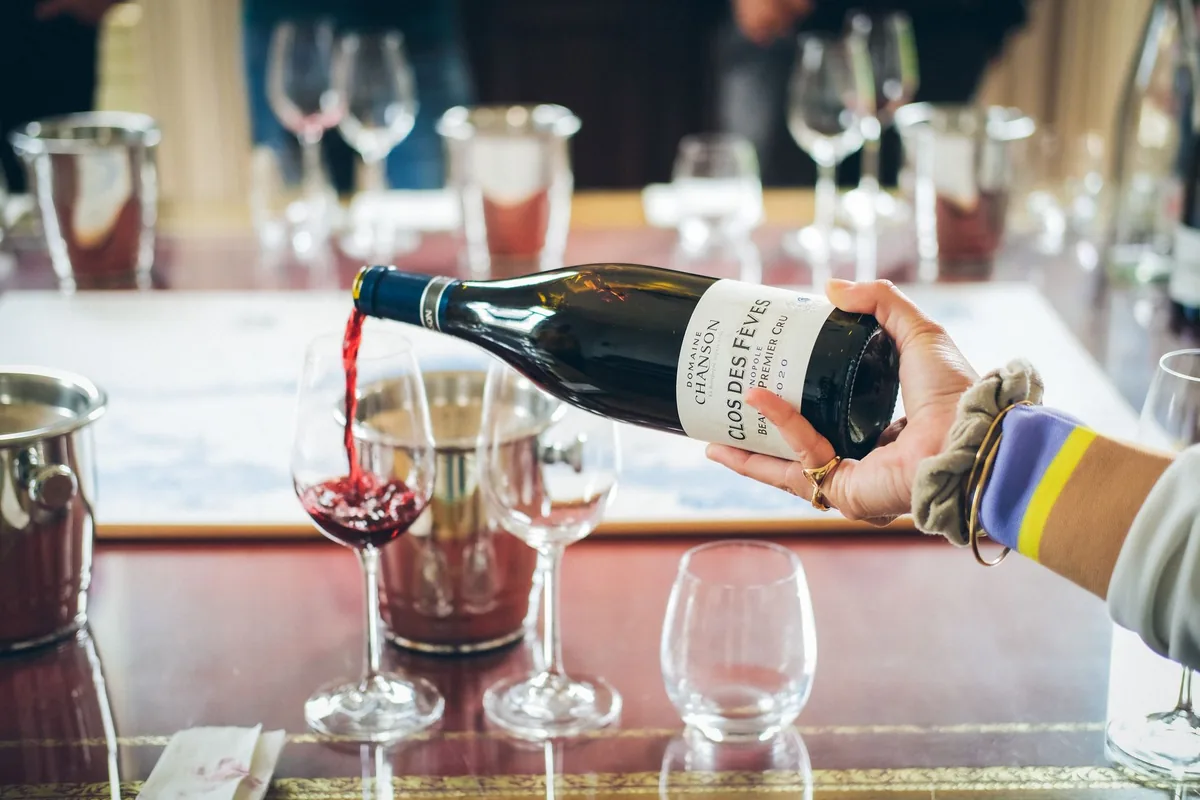
Structuring wine selections around category price ceilings creates psychological anchors that make mid-tier selections attractive [3]. Rather than applying a blanket cost-multiplier markup that depresses volume, directors evaluate bottle placement against specific commercial roles [3]. Entry-level bottles act as high-volume generators, whereas top-tier labels serve as price anchors that make intermediate selections appear accessible [3].
| Appellation & Outlet Tier | Outlets Included | Baseline Beverage Cost (%) | Operational Role |
|---|---|---|---|
| Banquets | Catering & Events | 16% | High-volume margin driver |
| Bar / Lounge | Hotel Bar | 20% | High-velocity contribution |
| Fine Dining | Main Restaurant | 27% | Check building & premiumization |
As eHotelier demonstrated, acquisition cost alone does not determine retail pricing [3]. For example, assuming a Sancerre and a Barolo each carry an identical landed cost of CAD 28, the Sancerre might retail at CAD 110 (a 25.5% beverage cost yielding CAD 82 gross profit), whereas the Barolo sells at CAD 140 (a 20.0% beverage cost yielding CAD 112 gross profit) [3]. If the outlet sells 40 bottles of the Sancerre and only eight bottles of the Barolo monthly, the Sancerre yields CAD 3,280 in gross profit versus CAD 896 for the Barolo [3]. Assessing individual bottles by contribution dollars and list architecture prevents underpricing premium categories [3].
Reported by
This article was written from the following reporting. Follow the links for the original coverage.
- [1]Hotel Chefs Cut Costs and Carbon via Zero-Waste Kitchens— eHotelier
- [2]TPG Appoints Jens Baake to Elevate Portfolio F&B Strategy— Lodging Magazine
- [3]F&B Metrics: Beyond Standard Beverage Cost Percentages— eHotelier
Frequently asked
+Why is beverage cost percentage an incomplete performance metric?
Beverage cost percentage measures only the accounting ratio between inventory costs and revenue. It does not reflect total cash contribution. Two properties can post identical 24% beverage costs, but the one selling higher volumes of Champagne, cocktails, and premium bottles generates substantially higher gross profit dollars and flow-through to operating profit.
+How does shifting outlet sales mix impact consolidated beverage cost?
Different outlets carry different margins, such as banquets at 16% and dining rooms at 27%. During group-heavy periods, lower banquet costs drag the consolidated percentage down. When transient dining expands, overall beverage costs may rise to 24% even as total gross profit increases significantly due to higher overall departmental revenues.
+What operational steps curb banquet food waste?
Chefs coordinate directly with event sales teams to plan banquet quantities using historical consumption data instead of excess production buffers. Additionally, kitchens introduce on-site aerobic digesters, which turn unavoidable food scraps into fertilizer or water within 24 hours, and expand composting programs to divert organic materials from landfills.
+How does price anchoring function on a hotel wine menu?
Price anchoring positions ultra-premium bottles at the top of a wine list to establish a high category ceiling. This makes intermediate and entry-level selections appear accessible and attractively priced to guests. This architecture encourages trade-ups without requiring flat cost-multiplier markups that could depress guest purchasing.
+Why are hospitality groups taking restaurant operations back in-house?
Hotel groups are moving away from third-party operators to create authentic concepts that appeal to both guests and local neighborhood residents. Standalone-style dining outlets with direct street access draw steady local foot traffic, stabilizing food and beverage revenues against fluctuations in transient room bookings.
Keep reading
Our reporting

More in operations