Hotel F&B Budgets Must Focus on Revenue Growth for 2027
Operating plans require disciplined labor deployment, continuous menu engineering, and strict beverage controls to protect department margins.
The short answer
Hotel operators preparing 2027 budgets must move beyond basic cost control to drive top-line revenue and protect operating margins. Successful departmental plans combine menu engineering, cross-trained labor, beverage inventory controls, and justified capital investments.
The short version
- Hotel F&B budgets for 2027 must operate as active revenue roadmaps rather than passive accounting exercises.
- Labor strategies should prioritize cross-training and productivity instead of aggressive headcount cuts.
- Menu engineering and daily waste controls must protect margins against commodity and supplier price inflation.
Hotel food and beverage leaders must build 2027 budgets around revenue growth, operational efficiency, and guest satisfaction rather than simple cost reductions [1]. Effective departmental planning aligns revenue targets with convention schedules, deploys labor through cross-training, enforces daily waste control, captures high-margin beverage sales, and justifies capital expenditures with measurable performance improvements [1].
How should hotel operators plan departmental revenue for 2027?
Revenue planning requires a realistic assessment of the business instead of applying an arbitrary percentage increase to the previous year [1]. As eHotelier reported, leaders must evaluate demand drivers including competitive positioning, seasonal patterns, group and convention forecasts, and evolving guest expectations [1].
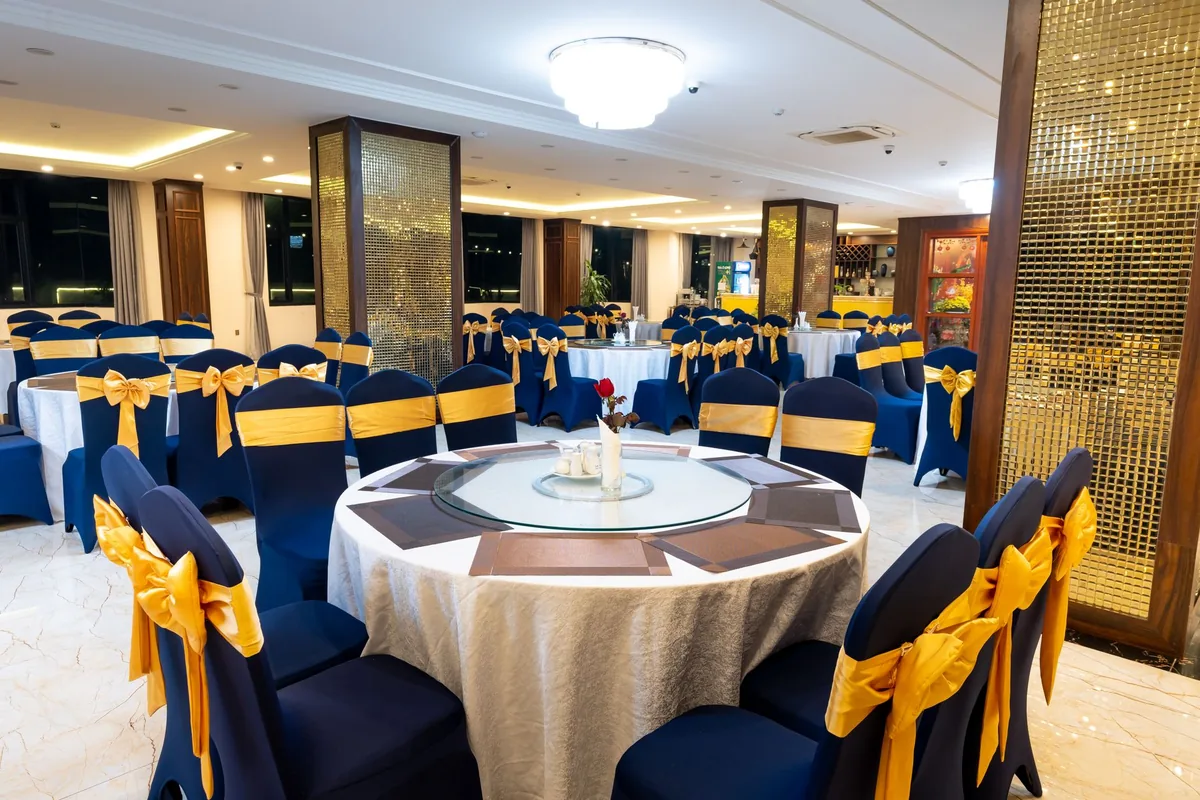
Every outlet demands individual attention, spanning banquets, catering, restaurants, lounges, bars, and in-room dining [1]. The convention calendar dictates banquet revenue, staffing, and procurement needs, while softer periods require creative programming, targeted promotions, and local marketing [1]. To expand average checks without relying solely on price hikes, operators should implement menu engineering, upselling programs, premium offerings, and specialized beverage experiences [1].
How can managers control labor without harming service quality?
Labor budgeting must focus on workforce productivity rather than cutting hours [1]. According to eHotelier, underbudgeting wages creates recruitment challenges, employee turnover, overtime spikes, and service breakdowns [1]. Staffing levels must reflect expected occupancy, banquet volume, outlet footfall, and seasonal shifts [1].
Cross-training associates provides scheduling flexibility to absorb variable business volumes [1]. Viewing training as an operational investment enhances worker productivity and upselling confidence [1]. Overly aggressive labor cuts degrade guest satisfaction, check averages, and repeat bookings [1].
| Operational Focus Area | Budget Action | Performance Impact |
|---|---|---|
| Revenue Planning | Analyze convention calendar and outlet demand | Improves forecasting accuracy and pipeline capture |
| Labor Deployment | Cross-train staff and budget realistic market wages | Reduces overtime and turnover while protecting service |
| Food Cost Management | Enforce portion controls and active menu engineering | Protects margins against supplier and commodity inflation |
| Beverage Programs | Track inventory controls and introduce premium tiers | Maximizes high-margin spirits, wine, and cocktail sales |
| Capital Requests | Link equipment and technology purchases to metrics | Lowers maintenance costs and increases operational throughput |
What practices protect food margins and plate profitability?
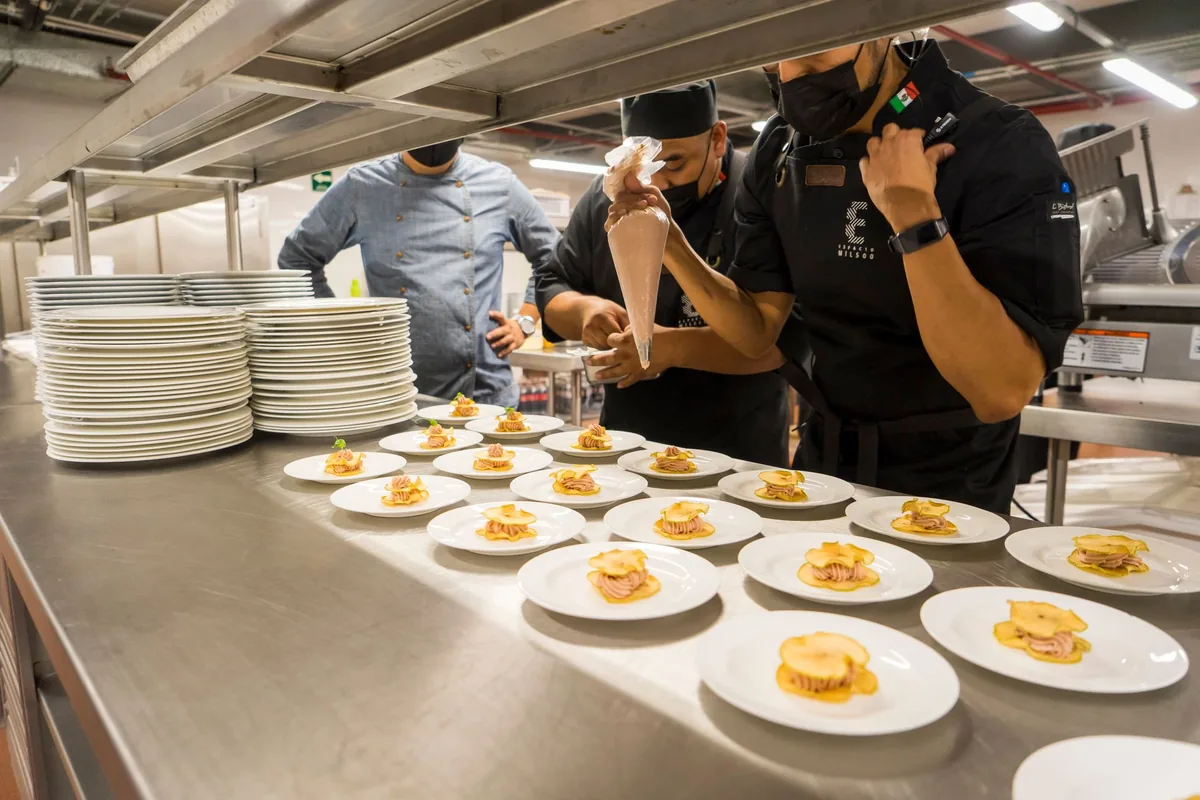
Food cost controls must function daily on the floor rather than reactively when monthly financial statements arrive [1]. Operators face continuous pressure from supplier pricing, commodity fluctuations, improper storage, and inventory shrinkage [1]. Regular menu reviews should examine individual item contribution margins, adjusting ingredients, portions, and pricing to eliminate low-performing items [1].
Waste management requires strict receiving procedures, consistent portioning, and controlled production schedules [1]. Small daily losses compile into large annual losses that eat directly into departmental profits [1].
How can operators maximize beverage department returns?
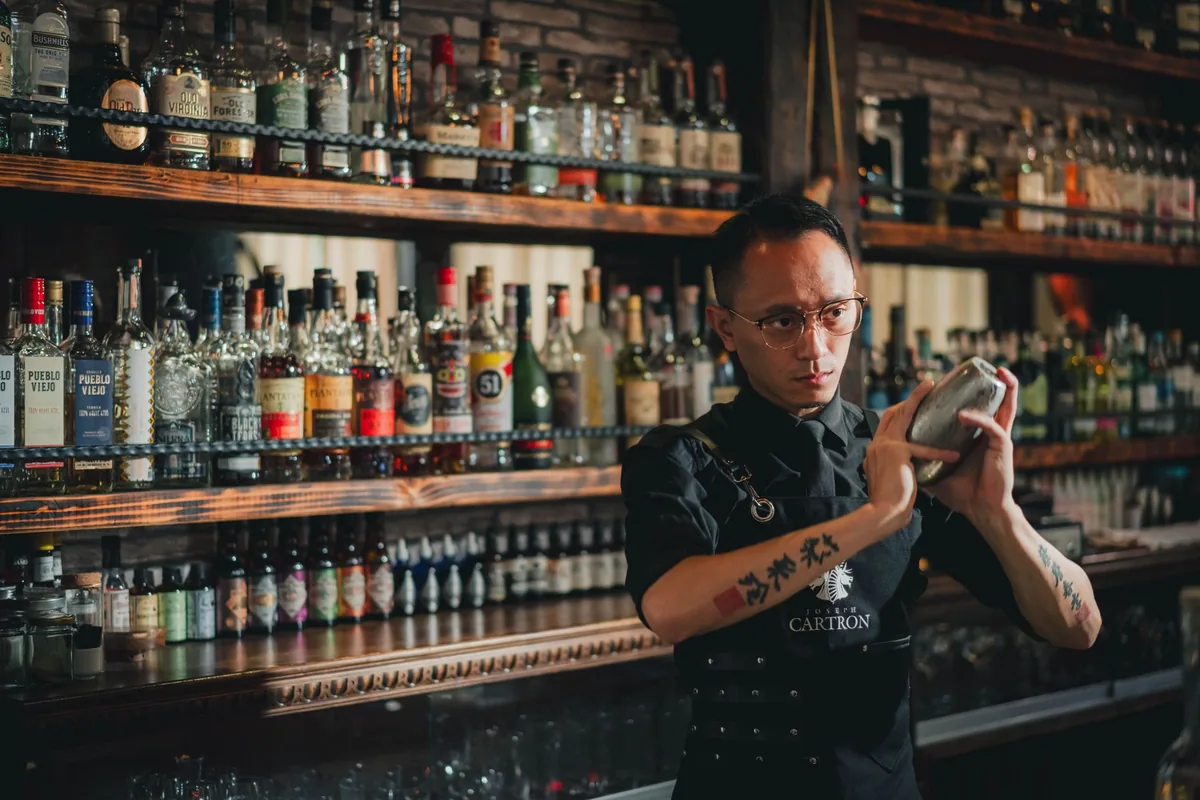
Beverage programs yield some of the highest margins in hotel operations when backed by strict inventory oversight and upselling programs [1]. Outlets can drive incremental revenue by expanding premium spirits, curated wine lists, and specialty cocktail menus [1].
However, eHotelier noted that beverage profits deteriorate rapidly from overpouring, unrecorded complimentary drinks, inventory breakage, and slack inventory audits [1]. Managers must combine creative drink menus with strict dispensing and stock controls to ensure extra sales flow to the bottom line [1].
How should managers prioritize capital expenditure requests?
Capital requests for kitchen machinery, point-of-sale platforms, service equipment, and dining room renovations must demonstrate measurable business improvements [1]. Equipment acquisitions should reduce utility, maintenance, or labor costs [1]. Point-of-sale and technology upgrades must enhance ordering accuracy and management reporting, while dining space renovations must demonstrably boost footfall and competitive positioning [1].
Reported by
This article was written from the following reporting. Follow the links for the original coverage.
- [1]Hotels Urged to Build Growth-Focused F&B Budgets— eHotelier
Frequently asked
+Why should hotel F&B leaders avoid flat percentage revenue increases?
Applying flat percentage increases ignores actual market conditions. Budgeting must evaluate group convention pipelines, competitive dynamics, seasonal shifts, and outlet capacity to set credible revenue targets across all dining and banquet operations.
+How does underbudgeting labor harm hotel F&B operations?
Underbudgeting market wages leads to recruiting shortages, high employee turnover, unbudgeted overtime, and declining service standards, which ultimately reduces check averages, guest satisfaction, and repeat business.
+What is the role of menu engineering in food cost management?
Menu engineering analyzes both sales volume and individual profit contributions. Regular reviews allow operators to adjust portions, refine ingredient costs, alter pricing, and eliminate complex items that generate low returns.
+What causes profit leakage in hotel beverage programs?
Beverage profits decline through lax inventory oversight, overpouring, unchecked breakage, and unrecorded complimentary drinks, neutralizing the revenue gains of premium wine, beer, and cocktail offerings.
+How should hotel F&B managers justify capital expenditure requests?
Capital requests must tie directly to measurable operational gains, such as reducing labor or maintenance expenses, improving ordering accuracy through technology, or driving customer demand via dining renovations.
Keep reading
Our reporting
More in operations