Hotel Acquisitions Outpace Ground-Up Builds on Returns
High construction costs and financing barriers give existing hotel acquisitions an economic edge over new ground-up developments.
The short answer
High replacement costs and protracted development timelines are driving hotel investors toward acquiring and repositioning existing properties. With median development costs exceeding $409,000 per room for full-service hotels, established assets offer immediate cash flow and substantial upside.
The short version
- HVS reports median U.S. hotel development costs at $219,000 per room, rising to $409,000 for full-service hotels.
- Luxury hotel development costs exceeded $1.057 million per room according to the 2025 HVS survey.
- Global wellness tourism expenditures reached nearly $894 billion in 2024, creating expansion opportunities for repositioned resorts.
Hotel acquisitions offer faster capital returns than ground-up projects because buyers secure standing physical assets at a discount to replacement cost and can reposition cash flows within two years [1]. Elevated construction expenses, strict financing conditions, and extensive permitting requirements delay income generation on new developments, giving established, well-located properties an economic advantage [1].
Why Are Ground-Up Hotel Builds Facing Increased Pressure?
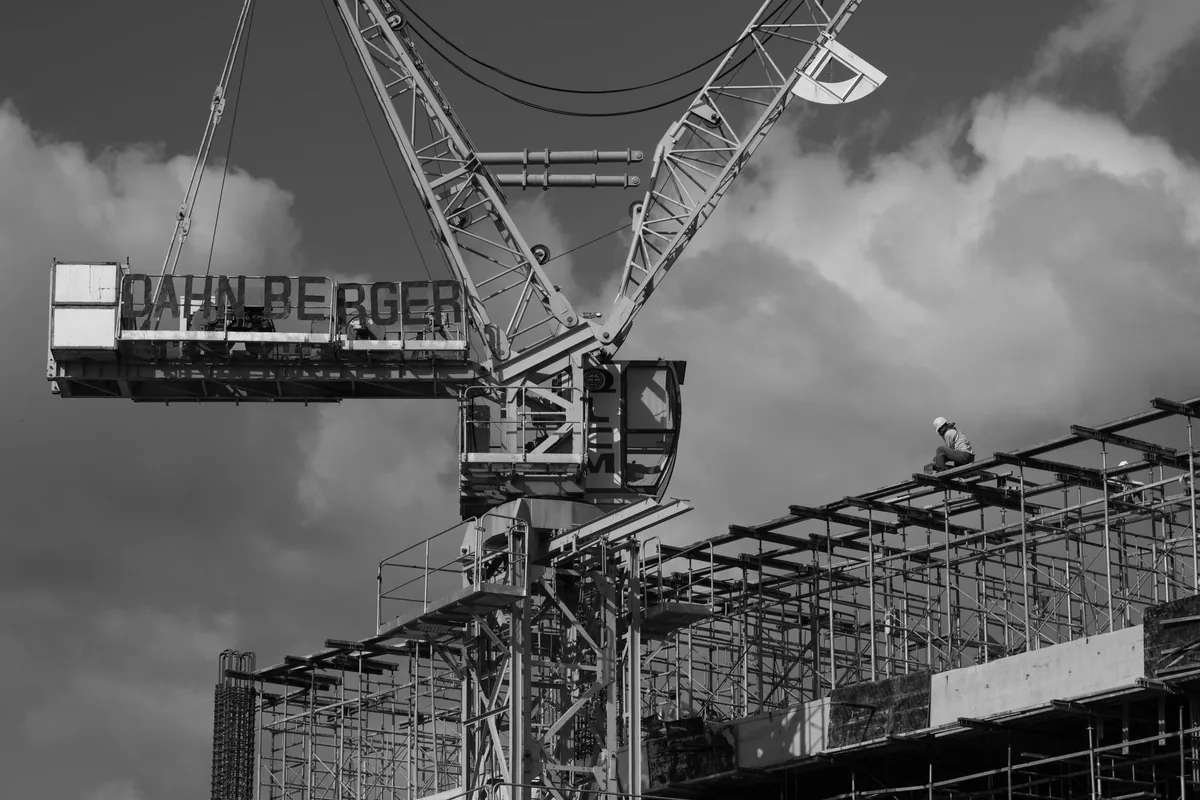
Ground-up hotel construction faces acute hurdles because development expenses and debt conditions continue to suppress new supply well below pre-pandemic levels, according to HVS Global Hospitality Services [1]. Building a property requires capital commitments through years of environmental review, local permitting, utility installation, construction, and pre-opening operations, all before generating initial revenue [1]. Asian Hospitality reported that ground-up development has grown increasingly cost-prohibitive across all chain scales, particularly at the upper tiers [1].
| Hotel Development Category | Median Cost Per Room (HVS 2025 Survey) |
|---|---|
| All U.S. Hotels (Median) | $219,000 |
| Full-Service Hotels | $409,000 |
| Luxury Hotels | Exceeds $1.057 million |
Data from the HVS “2025 U.S. Hotel Development Cost Survey” demonstrates the capital intensity required to build rooms from scratch [1]. As outlined in the table above, median full-service construction costs hit approximately $409,000 per room, while luxury projects climbed beyond $1.057 million per room, Asian Hospitality noted [1]. Purchasing an operating property bypasses these construction delays because the buyer inherits the site, utility access, buildings, and existing operating infrastructure on day one [1].
What Makes Established Leisure Properties Difficult to Replicate?
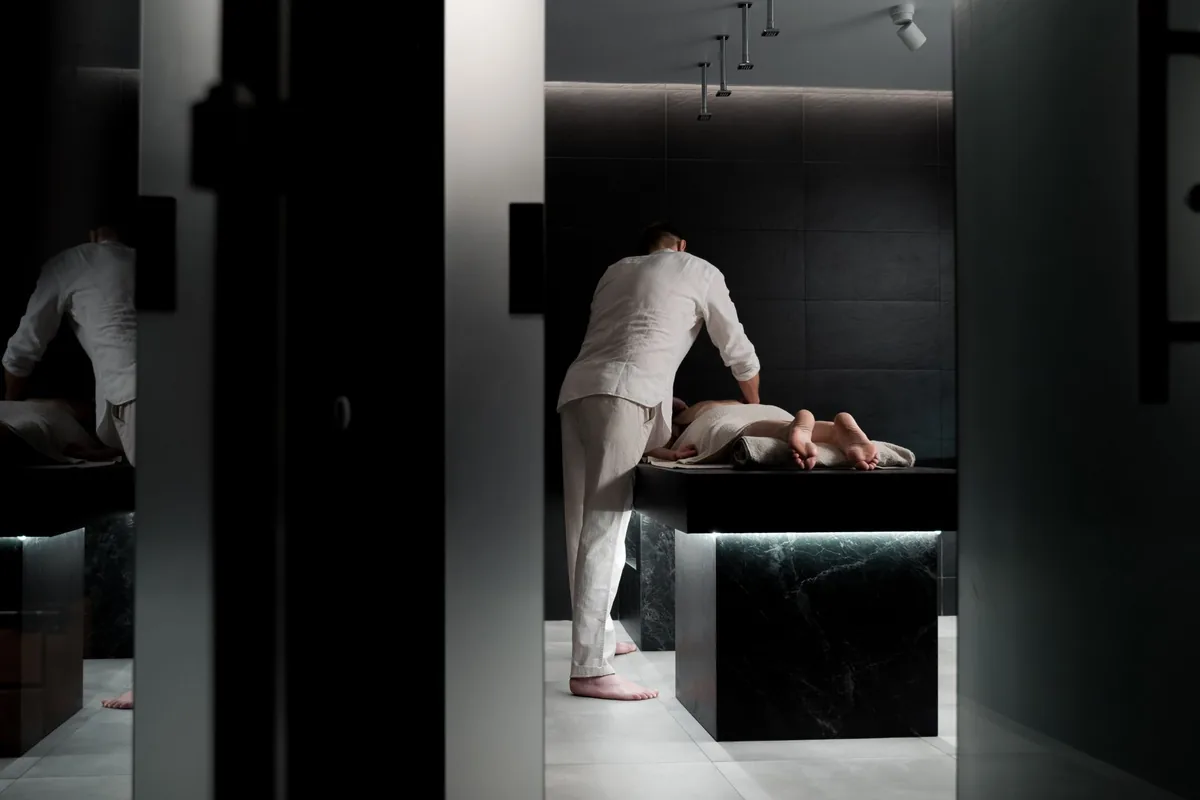
Standing resorts carry deep local ties and operational tenure that capital alone cannot quickly reproduce [1]. A resort operating in a regional drive-to market for decades retains entrenched relationships with nearby agricultural suppliers, wellness practitioners, and cultural organizations that populate the property's events [1]. While a competing developer with sufficient capital can erect a brand-new spa facility in 18 months, replicating 30 years of established community standing and local trust takes 30 years [1]. This tenure provides a durable operational foundation that protects the asset from immediate new market entrants [1].
How Does Asset Repositioning Generate Higher Guest Yields?
Repositioning shifts legacy assets away from a room-rate-dominated structure toward total guest spend by monetizing wellness, entertainment, and food services [1]. Research from the Global Wellness Institute shows that global wellness tourism expenditures climbed to nearly $894 billion in 2024 [1]. The broader global wellness economy totaled $6.8 trillion in 2024 and is projected to expand to $9.8 trillion by 2029, reflecting an annual growth rate of 7.6 percent, as cited by Asian Hospitality [1].
Owners extract returns by turning traditional supporting amenities into primary revenue centers [1]. By phasing repositioning expenditures deliberately, operators preserve capital discipline [1]:
First, management introduces entertainment and guest programming to generate fast returns on low up-front investment [1]. Next, food and beverage operations expand to capture greater ancillary spending [1]. Finally, physical building renovations take place, guided by proven operational demand and supported by the early cash flows generated during the opening phases [1].
Should Independent Resorts Avoid Brand Flags?
Resort owners must weigh whether brand affiliation delivers enough incremental demand to offset recurring fees and the loss of direct guest relationships [1]. According to HVS calculations, typical hotel brand royalty fees range from 3 percent to 5 percent of gross room revenue [1]. System contributions, reservation platforms, marketing assessments, and loyalty program charges further escalate those expenses, with select upscale and luxury chains also assessing fees on non-room revenues [1].
While branded distribution drives transient bookings in major gateway cities, drive-to resort properties often cultivate high rates of repeat, direct leisure business [1]. Maintaining independence requires internal distribution expertise and disciplined asset management, but it allows the owner to retain total control over the guest relationship and avoid handing recurring non-room revenue cuts to brand franchisors [1].
Where Do Repositioned Hotels Find Exit Value?
Exit valuation gains stem directly from expanding net operating income rather than counting purely on broader market cap rate compression [1]. Underperforming resorts enter the transaction market with depressed cash flows and higher going-in yields, giving buyers room to repair operational gaps [1]. When investors address underutilized amenities, elevate food and beverage revenue, and modernize dated programming, they broaden total income [1]. This growth in net operating income delivers a more durable cash-flow profile that appeals to institutional purchasers when the asset returns to market [1].
Reported by
This article was written from the following reporting. Follow the links for the original coverage.
- [1]Acquisitions Offer Faster Returns Than New Hotel Builds— asianhospitality.com
Frequently asked
+Why is buying an existing hotel faster for value creation than building?
Buying an existing hotel allows an investor to bypass environmental reviews, permitting, utility installation, and pre-opening periods. An investor can acquire a property at a discount to replacement cost and reposition its operations to materially boost income within two years.
+What does it cost to build a new hotel in the United States?
According to the HVS 2025 U.S. Hotel Development Cost Survey, median development costs are $219,000 per room overall, rising to roughly $409,000 per room for full-service hotels and exceeding $1.057 million per room for luxury assets.
+How does guest spend change after an acquisition and repositioning?
Repositioning transitions a property from a room-only pricing model to an experience-driven model that generates revenue across dining, entertainment, and wellness, increasing total revenue per guest across the full calendar year.
+What fees do hotel brands typically charge independent resort owners?
HVS reports that typical hotel brand royalty fees range from 3 percent to 5 percent of room revenue, alongside extra charges for marketing, loyalty programs, and reservations, with some luxury brands assessing fees on non-room revenue.
+How large is the global wellness tourism market?
Data from the Global Wellness Institute indicates global wellness tourism expenditures reached nearly $894 billion in 2024, with the overall wellness economy projected to reach $9.8 trillion by 2029.
Keep reading
Our reporting
More in finance