College-Town Hotels Reposition for Corporate and Campus Demand
Hotel brands and independent operators are adding lifestyle amenities, flexible footprints, and conference facilities to university markets.
The short answer
Hotel brands and independent operators are upgrading college-town properties with lifestyle amenities and meeting spaces to capture year-round business. By targeting corporate travelers and research conferences, these hotels reduce their reliance on seasonal campus schedules.
“Someone may stay two nights instead of one, knowing that there’s a variety of restaurants and they don’t have to travel all over the city to get different experiences.”
The short version
- Hilton launched Undergraduate by Hilton with long-term plans to open 400 to 500 upper-midscale hotels in campus-driven markets.
- The Hotel at The University of Maryland relies on 40,000 square feet of meeting space to host commercial events like the Quantum World Congress.
- 4 food and beverage outlets and a full-service spa help keep business guests on property to extend room nights.
Hotel brands and independent owners are repositioning college-town properties to capture high-margin corporate travel, conferences, and year-round campus business. By expanding into midscale flags, introducing social lifestyle features, and adding extensive meeting facilities, properties avoid relying solely on seasonal collegiate sports calendars and academic visit cycles to generate sustainable revenue.
How are brands scaling college-town portfolios?
Major hospitality groups are rolling out distinct flags to scale up their presence across campus markets. According to Hotels Magazine, Hilton launched Undergraduate by Hilton, an upper-midscale brand intended to serve a wider array of college and university communities [1]. The brand supports both new-build projects and property conversions, with its first location scheduled to open in 2027 [1].
Hilton executives project a long-term development runway of 400 to 500 hotels for the Undergraduate flag [1]. This brand expands upon Hilton's established lifestyle footprint, which includes Graduate by Hilton—a chain with nearly 60 hotels in development across markets such as Tuscaloosa, Alabama; Syracuse, New York; and Boulder, Colorado [1]. The Undergraduate brand features a flexible design model designed to keep development costs efficient while targeting families, alumni, corporate visitors, and conference attendees [1].
What amenities draw corporate travelers to university properties?
University-adjacent hotels are capturing commercial demand by installing amenities that cater to visiting researchers, corporate travelers, and conference groups. Lodging Magazine reported that The Hotel at The University of Maryland has positioned itself to avoid being pigeonholed as a seasonal campus lodging option by offering full-service lifestyle facilities [2].
To support corporate and executive stays, the Maryland hotel operates a full-service spa, a makeup bar, a fitness center, and four distinct food and beverage venues [2]. In-house staffing includes three dedicated conference services managers to coordinate complex client itineraries [2]. Adriana Niepa, director of sales and marketing at the property, noted that offering diverse on-site dining and wellness amenities can prompt travelers to add room nights: "Someone may stay two nights instead of one, knowing that there’s a variety of restaurants and they don’t have to travel all over the city to get different experiences" [2].
How do properties target research and event revenue?
Properties in university markets are developing large event facilities to secure business linked to campus research hubs and technical industries. The Hotel at The University of Maryland leverages 40,000 square feet of meeting space to host national corporate gatherings, including the Quantum World Congress [2].
This venue business aligns with commercial expansion in College Park and the local Discovery District, which draws corporate and entrepreneurial visitors connected to the university's quantum science and technology programs [2]. Niepa explained to Lodging Magazine that these research initiatives provide year-round demand that offsets standard academic cycles [2].
| Property or Brand | Market Positioning | Footprint or Target Scale | Target Guest Mix |
|---|---|---|---|
| Undergraduate by Hilton | Upper-midscale lifestyle | 400 to 500 target hotels; first opening 2027 | Students, families, sports fans, business travelers, conference attendees |
| Graduate by Hilton | Lifestyle collection | Nearly 60 hotels in development | Alumni, campus visitors, leisure travelers |
| The Hotel at The University of Maryland | Independent full-service lifestyle | 40,000 sq ft meeting space; 4 F&B outlets | Quantum science executives, Discovery District visitors, association groups |
What design features create communal campus hangouts?
New college-town prototypes incorporate social zones that attract neighborhood traffic alongside registered hotel guests. Hotels Magazine reported that Undergraduate by Hilton properties incorporate library-inspired lounge spaces, off-campus social areas, and barista-led markets selling grab-and-go items [1]. Guest rooms are arranged as creative classrooms equipped with dedicated study corners and adaptable furnishings [1].
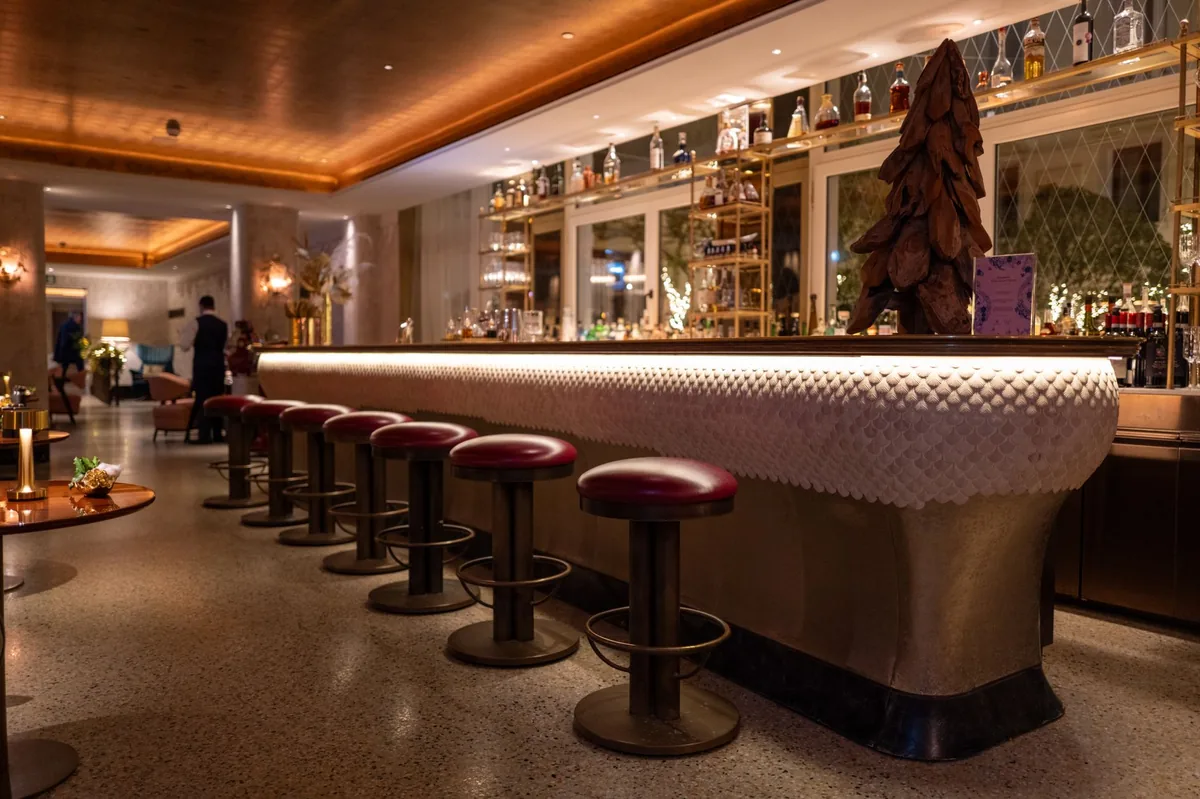
Beverage operations also mirror contemporary city lounge formats. Hilton formed a partnership with Authentic Hospitality, the operator behind New York venues Ray’s and Pebble Bar, to design cocktail menus that update campus drink traditions for Undergraduate properties [1]. These social components also connect with Hilton Honors, linking the locations to a loyalty base exceeding 250 million members [1].
How can operators identify new corporate business?
Hoteliers identify overlooked corporate business by tracking guest travel purposes at the front desk. Niepa recommended using direct check-in surveys to detect travelers visiting for regional corporate parks, technology developments, or specialized campus institutes rather than typical family visits [2].
Properties that lack the capital or space for full-scale spas can adopt smaller adaptations, such as installing massage chairs or upgrading WiFi performance, to satisfy corporate guest requirements [2]. This research-driven amenity approach allows college-town operators to generate steady weekday bookings outside the peak fall sports calendar [2].
Reported by
This article was written from the following reporting. Follow the links for the original coverage.
- [1]Hilton Launches Undergraduate Brand for College Towns— Hotels Magazine
- [2]University Hotels Add Lifestyle Amenities to Lure Corporate Demand— Lodging Magazine
Frequently asked
+What is Undergraduate by Hilton?
Undergraduate by Hilton is an upper-midscale hotel brand announced by Hilton for college and university markets. It supports conversions and new-builds, with initial properties opening in 2027 and a target scale of 400 to 500 hotels.
+How do university hotels capture non-academic corporate business?
Hotels add business-ready amenities such as large meeting venues, fast WiFi, varied food and beverage outlets, and full-service spas. They also establish relationships with corporate districts and technology initiatives tied to the local university.
+What meeting capacity helps university properties secure major conventions?
The Hotel at The University of Maryland operates 40,000 square feet of meeting space, allowing it to host major technical events such as the Quantum World Congress alongside commercial association gatherings.
+What social spaces are featured in the Undergraduate by Hilton brand design?
Properties include library-inspired lounges, barista-led grab-and-go markets, and social public spaces. Hilton also partnered with Authentic Hospitality to create elevated cocktail programs based on campus classics.
+How can hotel operators assess demand beyond visiting parents?
Front desk staff can ask arriving guests why they are visiting the market. Operators can use that data to tailor services for business visitors tied to nearby commercial centers, research initiatives, and local events.
Keep reading
Our reporting
More in operations