Alum Launches Luxury Condo-Hotel Model for College Towns
Backed by Derek Jeter, hospitality startup Alum pairs condo sales with a members' club model to eliminate debt in collegiate markets.
The short answer
Backed by Derek Jeter, hospitality startup Alum is launching a luxury condo-hotel and club concept in university towns. Its inaugural project in Tuscaloosa uses condo sales to eliminate construction debt.
“From a traditional hotel financing standpoint, it's hard to build a luxury hotel in a college town because you don't have the year-round rate cycle and demand.”

The short version
- Alum eliminates construction debt by funding developments through upfront condo unit sales.
- The inaugural Tuscaloosa development includes 68 condos that can yield up to 104 hotel keys.
- Derek Jeter is backing the independent brand, which operates without a major hotel chain partner.
Alum has launched a luxury condo-hotel and private members' club concept aimed at collegiate markets, beginning with a development in Tuscaloosa, Alabama, near the University of Alabama [1]. Backed by Baseball Hall of Famer Derek Jeter, the independent brand uses residential condo sales to pay off construction debt, creating an unencumbered hospitality asset tailored to alumni, donors, and visiting parents [1].
What problem does Alum address in collegiate hospitality?
Alum aims to resolve a mismatch between high room rates and mid-tier accommodations during peak collegiate events [1]. Co-founder and CEO David Vialli noted that visitors regularly pay luxury rates—sometimes ranging from $1,000 to $2,500 per night—for three-star lodging products such as Courtyard by Marriott or Embassy Suites [1]. Co-founder Paul Brenneke conceived the business after paying $1,000 per night for a select-service hotel room while visiting his daughter at the University of Colorado, Boulder [1].

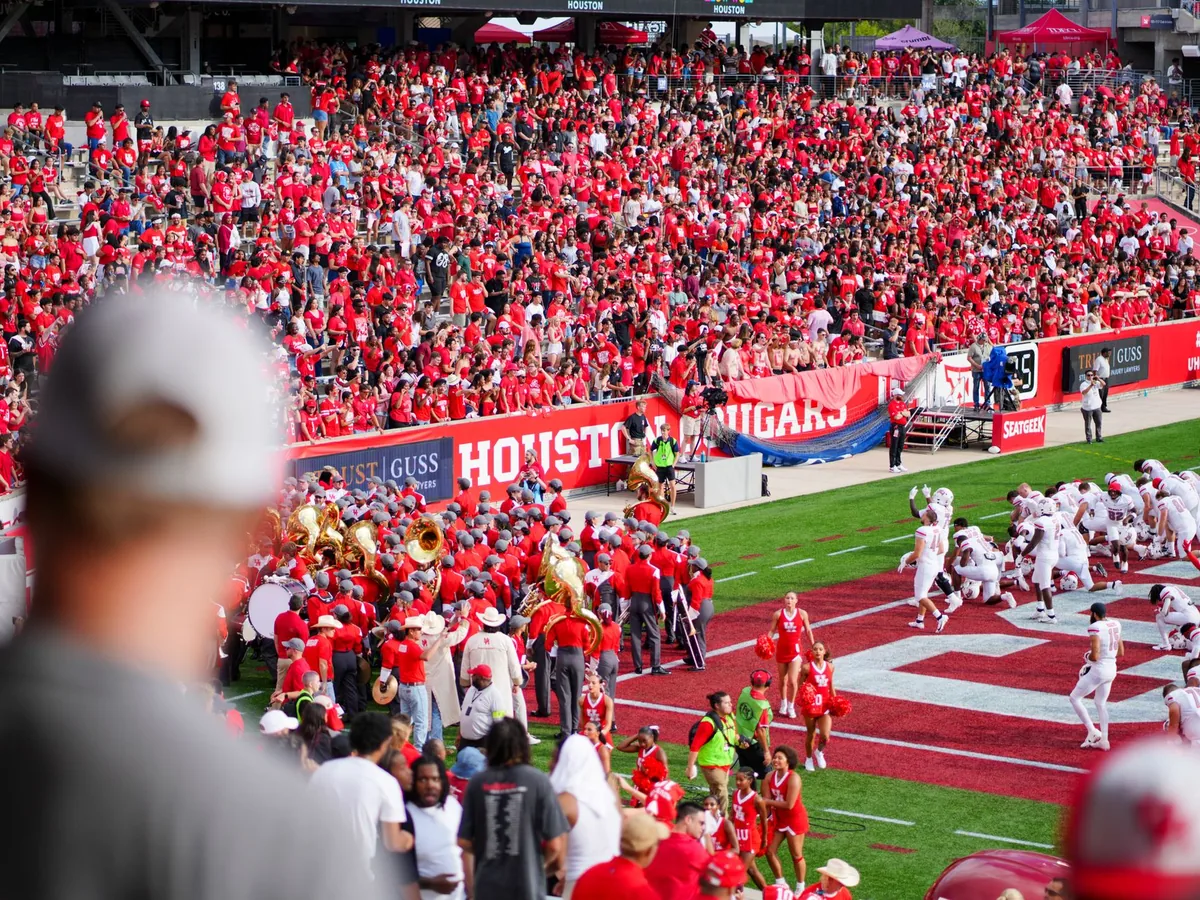
As Hotel Dive reported, university towns see immense demand surges during events like football weekends, when up to 250,000 people gather in Tuscaloosa [1]. However, traditional hotel financing struggles in these markets because year-round demand and rate cycles do not support luxury development costs on their own [1].
How does the Alum capital and development structure work?
Alum uses a hybrid condo-hotel model that clears construction debt prior to opening [1]. By selling residential condo units upfront, the development repays its construction financing and removes long-term debt service [1]. This structure leaves the company with a debt-free operational property that includes hotel rooms, residential units, and a private members' club [1].
According to Hotel Dive, Alum operates as an independent brand without an established chain or brand partner [1]. The table below outlines the structural specifications and operational profile established for the debut property [1]:

| Metric | Tuscaloosa Property Specification |
|---|---|
| Condo Units | 68 residential units |
| Total Hotel Keys | Up to 104 keys via lock-off units |
| Unit Types | One-bedroom condos and two-bedroom lock-offs |
| Unit Amenities | Full kitchens and extended-stay provisions |
| Groundbreaking Date | September |
| Operating Model | Independent condo-hotel with private members' club |
What design features define the Tuscaloosa property?
The inaugural Tuscaloosa project features 68 residential condominiums that can expand into 104 hotel keys using flexible unit layouts [1]. The inventory includes one-bedroom configurations alongside two-bedroom units with lock-off capabilities [1]. These lock-off configurations allow a two-bedroom unit to split into a standalone hotel room and an independent condominium [1].
Residential units are planned with full kitchens and self-contained amenities comparable to short-term rental apartments, catering to long-term stays and visiting university guests [1]. In addition to transient hotel rooms and residences, the property will house a private club designed to maintain social programming year-round [1].
Why are collegiate markets attracting hotel investment?
Institutional interest in college markets is accelerating due to demographic shifts and changes in collegiate athletics [1]. Vialli pointed to an 84% surge over the last 20 years in students from the Northeast enrolling in Southeastern Conference (SEC) institutions, bringing out-of-state parents and alumni with high travel spending power into these regions [1].
Collegiate athletic changes are also driving real estate activity across campuses [1]. With student-athletes able to receive commercial compensation, universities must engage in revenue sharing requiring roughly $20 million annually per school to pay players [1]. To generate new income without relying exclusively on donor contributions, universities are monetizing institutional real estate through collegiate-focused entertainment districts [1].
How does Alum position itself against competitors?
Alum positions its offering as an alumni-focused equivalent to Soho House, pairing luxury accommodations with a network of private club facilities across college sports markets [1]. The concept enters a market where brands like Hilton and Travel + Leisure Co. are also expanding their footprint in college towns [1]. Vialli stated that while competitors focus on upper-upscale lodging, Alum differentiates through pure luxury inventory and year-round private club programming [1].
Reported by
This article was written from the following reporting. Follow the links for the original coverage.
- [1]Alum Launches Luxury Condo-Hotel Concept in College Towns— Hotel Dive
Frequently asked
+What is the business model behind Alum?
Alum develops properties containing luxury condominiums, hotel rooms, and a members' club. It sells residential condo units upfront to pay off the project's construction loan, leaving the operating hotel and club debt-free upon opening.
+Where is the first Alum property opening?
The first Alum property will open in Tuscaloosa, Alabama, near the University of Alabama campus, with groundbreaking scheduled for September.
+How many units and keys will Alum Tuscaloosa have?
Alum Tuscaloosa features 68 condominium units. Due to two-bedroom lock-off configurations that can split into standalone rooms, the property can operate up to 104 hotel keys.
+Who are the primary investors and founders of Alum?
The company was co-founded by hospitality executive David Vialli and investor Paul Brenneke. Baseball Hall of Famer Derek Jeter is a backer of the concept.
+Why is hotel demand growing in SEC and college markets?
Demand is driven by an 84% rise over 20 years in Northeastern students attending SEC schools, along with university entertainment districts created to fund collegiate athletic revenue sharing.
Keep reading
Our reporting


More in finance