AHLA Urges Congress to Pass Funding Bill and Stop Shutdown
The AHLA, U.S. Travel Association, and Airlines for America warn that a government shutdown will cost the travel economy $1 billion per week.
The short answer
The AHLA, U.S. Travel Association, and Airlines for America are demanding Congress pass a continuing resolution before September 30 to avoid a government shutdown. A shutdown could cost the U.S. travel economy $1 billion per week and force essential aviation staff to work without pay.
The short version
- The AHLA, U.S. Travel Association, and Airlines for America demand a continuing resolution before September 30.
- A government shutdown costs the U.S. travel economy an estimated $1 billion per week.
- More than 9,000 flights were disrupted during the previous 43-day government shutdown.
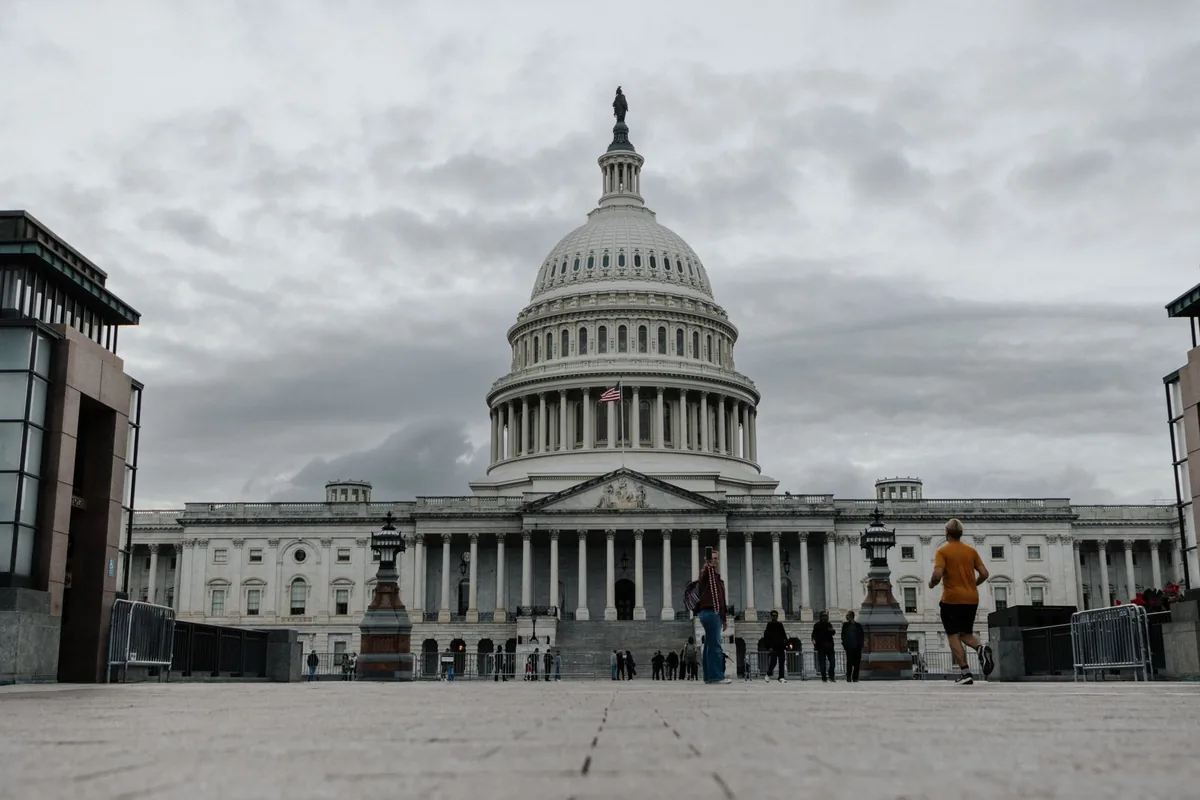
The American Hotel & Lodging Association (AHLA), the U.S. Travel Association, and Airlines for America (A4A) have issued a joint demand for Congress to pass a stopgap funding bill before September 30 to prevent a federal government shutdown. The coalition warns that failure to reconcile House and Senate continuing resolutions will cost the travel economy $1 billion per week and force essential aviation personnel to work without pay. [1]
Why are hospitality and travel groups targeting the September 30 deadline?
The September 30 deadline marks the end of the current federal funding period, requiring immediate congressional action to keep the government open. Lodging Magazine reported that the House and Senate have passed separate continuing resolutions to maintain federal funding. [1] The joint letter from the AHLA, U.S. Travel, and A4A urges congressional leaders to quickly resolve the differences between these two measures and enact a stopgap funding bill before the deadline. [1] Without swift action when Congress returns in September, travelers, frontline aviation workers, and businesses across the country face unnecessary uncertainty and the risk of a government shutdown. [1]
How would a federal shutdown directly disrupt the travel economy?
A federal shutdown would immediately force TSA officers, air traffic controllers, and other essential aviation workers to perform their duties without pay. [1] According to Lodging Magazine, this situation worsens existing staffing shortages and increases the risk of longer security lines, flight delays, and cancellations. [1] Beyond airports, national parks, museums, and other federal attractions face closures or reduced services. [1] This disrupts travelers and heavily impacts visitor-dependent communities nationwide. [1] Rosanna Maietta, president and chief executive officer of the AHLA, noted that government shutdowns create uncertainty that discourages travel and harms the millions of hotel employees and small business owners who depend on a strong travel economy. [1]
What were the economic consequences of the previous 43-day shutdown?
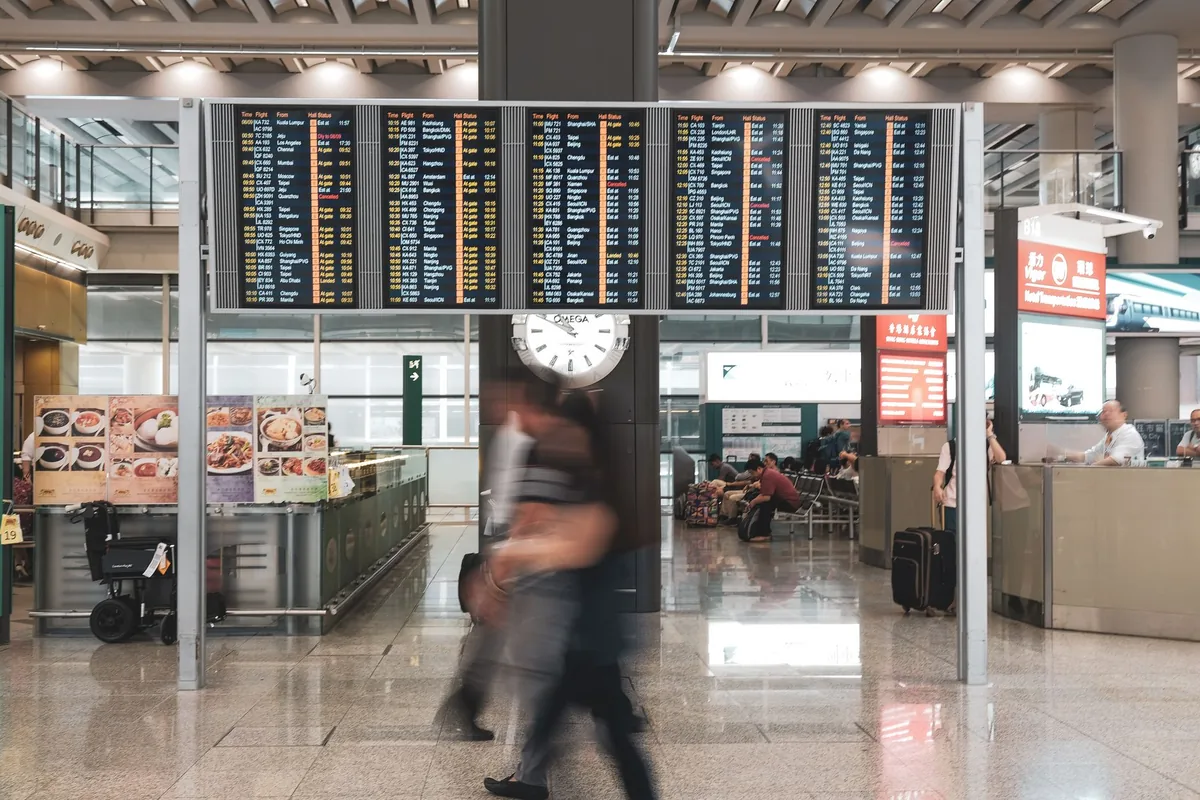
The previous 43-day government shutdown cost the United States travel economy an estimated $1 billion per week. [1] Lodging Magazine reported that during that specific lapse in funding, more than 9,000 flights were delayed or canceled. [1] Furthermore, the shutdown disrupted travel for more than six million passengers. [1] Geoff Freeman, president and chief executive officer of U.S. Travel, emphasized that a shutdown would reverse recent progress, stating that travelers and businesses pay the price when funding bills are not resolved. [1]
| Metric | Impact During Previous 43-Day Shutdown |
|---|---|
| Weekly economic loss | $1 billion |
| Flights delayed or canceled | Over 9,000 |
| Passengers disrupted | Over 6 million |
What long-term reforms are industry leaders requesting?
Industry leaders are demanding long-term reforms to ensure that TSA officers and air traffic controllers remain paid during future funding lapses. [1] While the immediate request is for Congress to enact a continuing resolution before September 30, the coalition also wants structural changes to protect essential aviation workers. [1] Chris Sununu, president and chief executive officer of A4A, called the prospect of another shutdown outrageous government malpractice, noting that essential workers are forced to work without pay while solutions remain on the table. [1]
Reported by
This article was written from the following reporting. Follow the links for the original coverage.
- [1]AHLA Urges Congress to Pass Funding Bill and Stop Shutdown— Lodging Magazine
Frequently asked
+What is the deadline for Congress to pass a stopgap funding bill?
Congress faces a September 30 deadline to enact a stopgap funding bill and prevent a government shutdown. The House and Senate have passed separate continuing resolutions that must be resolved.
+How much does a government shutdown cost the travel economy?
During the previous 43-day government shutdown, the U.S. travel economy lost an estimated $1 billion per week.
+How does a government shutdown affect aviation workers?
A government shutdown forces essential aviation personnel, including TSA officers and air traffic controllers, to work without pay, which worsens staffing shortages and increases the risk of flight delays.
+What happened to flights during the last 43-day shutdown?
The previous 43-day government shutdown delayed or canceled more than 9,000 flights and disrupted travel for over six million passengers.
+Which organizations sent the joint letter to Congress?
The joint letter urging Congress to pass a funding bill was sent by the American Hotel & Lodging Association (AHLA), the U.S. Travel Association, and Airlines for America (A4A).
Keep reading
Our reporting


More in finance