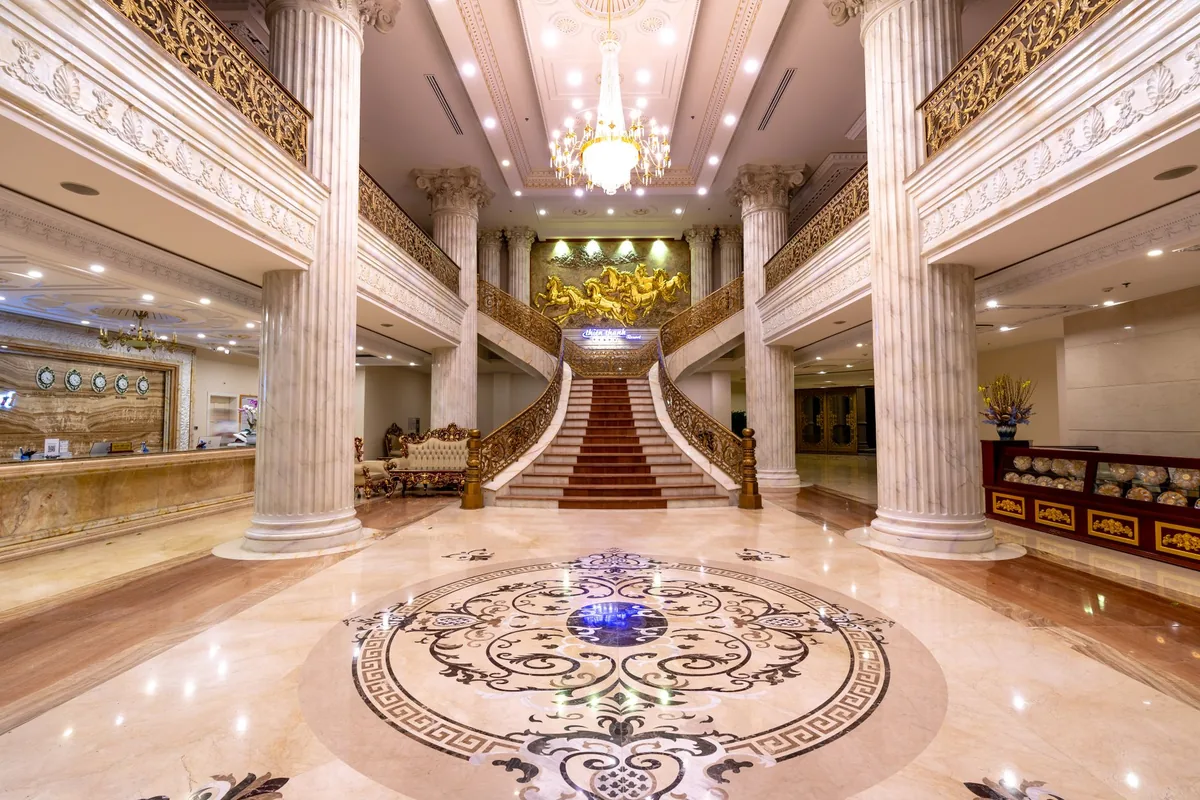
Lodging Econometrics reported 1,094 hotel projects under active construction in the U.S. during Q3 2026, driven by record highs in the luxury and upper upscale segments. Extended-stay and dual-branded properties continue to command a major share of forward-looking development activity.
Key Takeaways
1U.S. construction pipeline reached 1,094 active projects, with 2,175 more slated to start in the next 12 months.
2Luxury and upper upscale tiers hit record highs, while extended stay accounts for 40% of all pipeline projects.
3Total supply is forecast to grow by 1.2% in 2026, accelerating to 1.3% in 2027 and 1.5% in 2028.
Accor raised its full-year 2026 EBITDA outlook after reporting a 4.9 percent increase in Q3 RevPAR and revenue of $1.68 billion, powered by its Luxury & Lifestyle division.
Key Takeaways
1RevPAR increased 4.9% groupwide, led by an 8.3% jump in the Luxury & Lifestyle division.
2Total Q3 revenue rose 7.7% at constant currency to reach $1.68 billion.
3Accor opened 63 hotels (nearly 9,000 rooms), bringing the development pipeline to 273,000 rooms.
The European Commission has launched a formal Digital Services Act investigation into Booking.com over fraudulent listings, guest phishing scams, and undisclosed paid search placements. If found in breach, the online travel agency could face fines of up to 6% of its global annual turnover.
Key Takeaways
1EU regulators are probing fake listings and phishing scams targeting guest reservation data via the platform.
2The investigation will review whether paid search result rankings are sufficiently transparent to consumers.
3Booking.com faces potential penalties of up to 6% of worldwide turnover under the Digital Services Act.
Year-end purchasing surges expose hotels to invoice discrepancies, overcharges, and duplicate billing that quietly erode profit margins. Operators can protect their bottom line through rigorous receiving verification, price variance checks, and AP automation.
Key Takeaways
1A recent analysis found that 63% of hotel operators had invoices flagged for potential overcharges or fraud.
2Common Q4 margin leaks include unapproved vendor price hikes, unreceived items, and duplicate invoices.
3Implementing weekly price variance reviews and AP automation line-item checks prevents overpayments before month-end.
Enabled by advanced automation, host platforms, and AI, individual operators are managing scale once reserved for full companies across travel advisory, short-term rentals, and revenue management. Long-term enterprise value hinges on maintaining direct customer relationships rather than non-transferable marketplace profiles.
Key Takeaways
1Single professionals now manage million-dollar advisor books and revenue pricing for dozens of hotels.
2Major incumbents like Booking Holdings and Tripadvisor own the underlying software infrastructure.
3Direct-booking channels and proprietary client lists provide transferable business value over platform rankings.
The World Travel & Tourism Council has released a strategic roadmap urging European policymakers to reform visa processes, boost sector investment, and adopt AI to maintain regional competitiveness. The recommendations come as European travel is forecast to expand by 3.1% in 2026, outpacing the broader economy.
Key Takeaways
1European tourism generated $3 trillion (9.4% of GDP) and supported 40.7 million jobs in 2025.
2WTTC calls for streamlined digital visas, expanded multiple-entry permits, and biometric frameworks at EU airports.
3Workforce shortages loom large, with hospitality labor in Germany and Greece projected to fall over 25% short of demand by 2035.
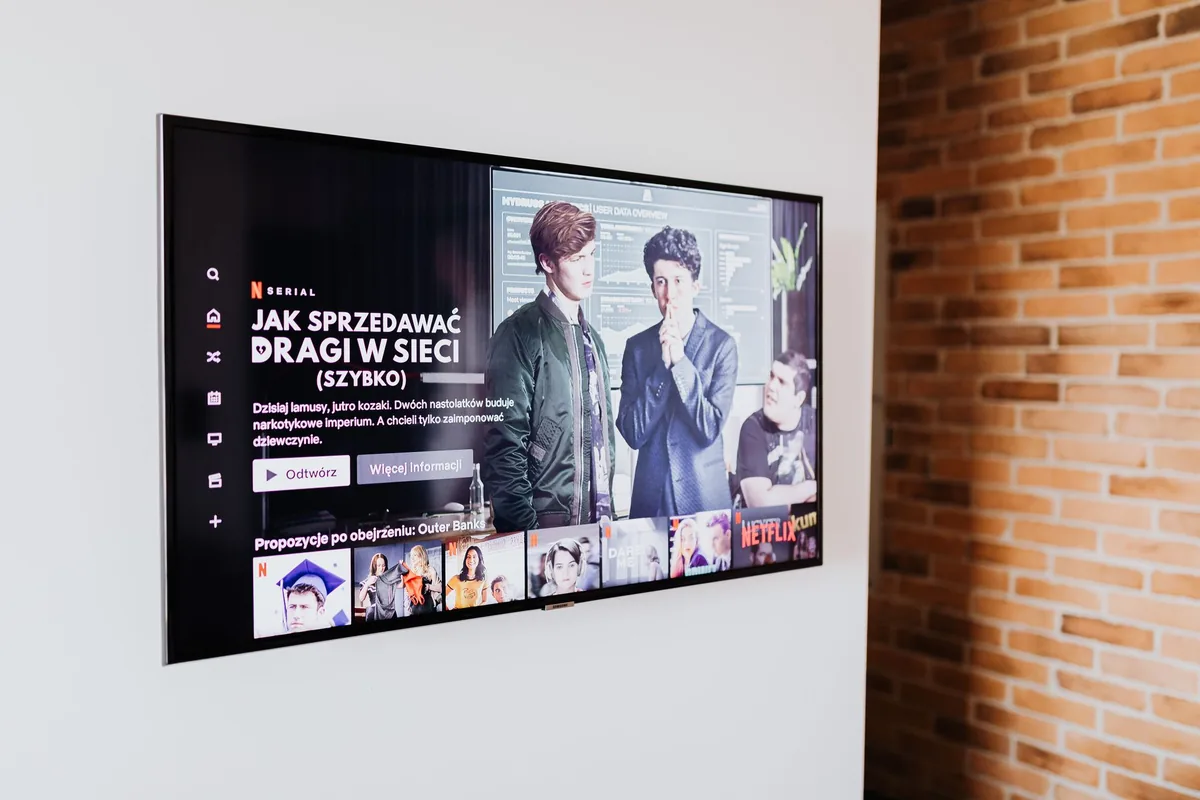
Marriott International has partnered with LG Electronics to develop a cloud-based guest room platform that integrates streaming entertainment, IoT room controls, and centralized device management. The technology is launching with a 40-hotel pilot across the U.S. and Canada before an intended global rollout.
Key Takeaways
1Combines linear TV, streaming apps, and personalized ads into a unified guest interface
2Enables staff to remotely monitor TV health and property-wide device performance
3Lays the groundwork for IoT smart-room features like temperature controls and leak detection
MakeMyTrip is driving growth through accommodations and ground transport as softening domestic air travel pushes non-air bookings to over 63% of its total business. Stand-alone hotel room nights climbed 18.6% year over year, with domestic stays up more than 20%.
Key Takeaways
1Gross bookings reached $2.7 billion, up 21% year over year, despite Indian domestic flight departures dropping 7%.
2Hotels and packages now represent roughly 40% of MakeMyTrip's total gross bookings mix.
3Stand-alone hotel room nights grew 18.6%, driven by domestic room night expansion exceeding 20%.
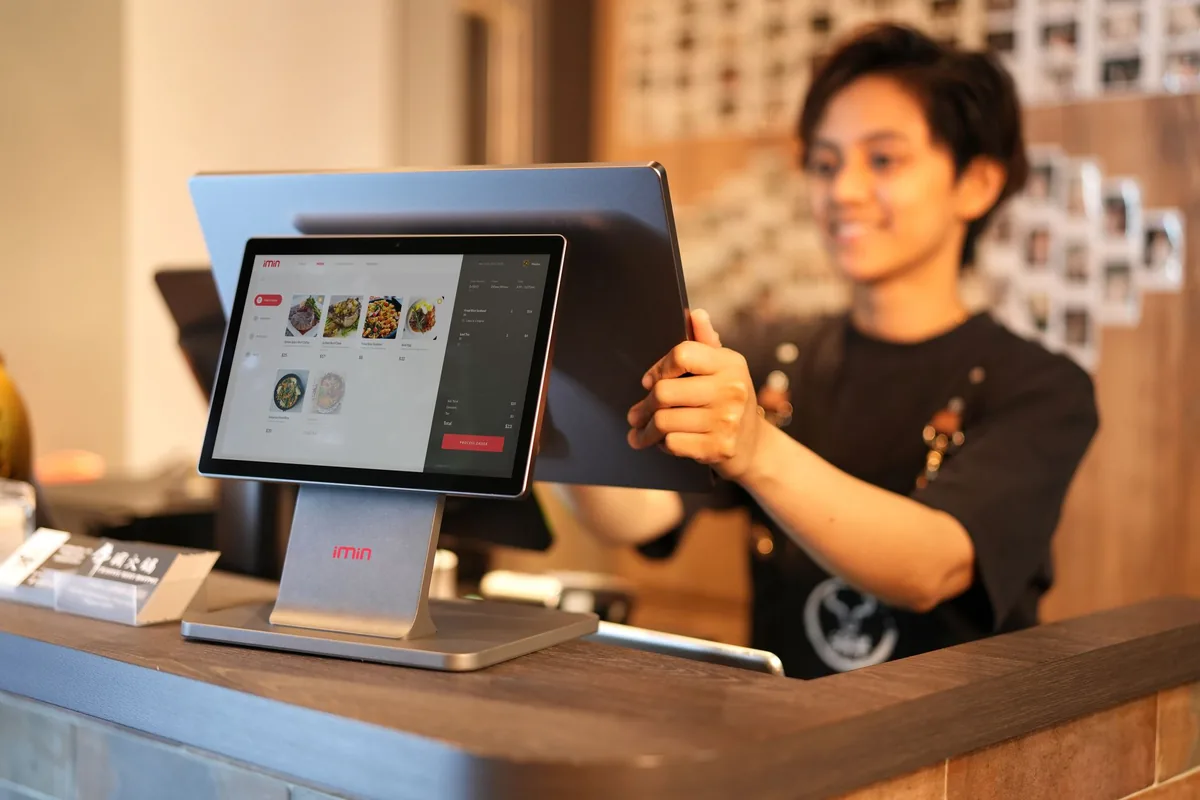
Cloudbeds has unveiled Cloudbeds POS, a unified mobile point-of-sale system that integrates hotel food, beverage, and retail operations directly into its core platform. The solution enables direct folio posting, mobile ordering, and consolidated revenue reporting to streamline on-property spending.
Key Takeaways
1Enables staff to take orders, route tickets, and accept multiple payment types via mobile devices.
2Automatically posts outlet charges directly to guest folios, eliminating manual entry and missed revenue.
3Includes offline mode capabilities and unified reporting across rooms and auxiliary outlets.
Hilton has upgraded its Hilton for Business program with centralized booking and tracking tools tailored for small and midsize enterprises. The enhancements aim to drive direct SME volume as global corporate travel spend outpaces trip growth.
Key Takeaways
1New features allow administrators to centrally book, modify, and track employee stays across 400,000 enrolled businesses.
2Upcoming updates include delegated travel coordinator roles and a centralized spending and points dashboard.
3The move seeks to capture growing corporate demand, with global business travel spend projected to reach $1.71 trillion by 2026.
Lindblad Expeditions CEO Natalya Leahy outlines how affluent travelers are shifting from traditional amenities toward authentic, expert-led remote experiences. With fewer than one million participants globally, expedition travel represents an underpenetrated market poised for significant experiential growth.
Key Takeaways
1Lindblad research shows destinations, activities, and brand trust drive bookings over traditional luxury amenities.
2Only 1 million people take expeditions annually despite 22 million qualifying U.S. households, leaving massive headroom.
3Brand is expanding beyond maritime cruises into aviation-led remote land expeditions, including South Pole luxury camps.
Analytics cookies.
We count visits either way — anonymously, with no IP stored. Accepting also lets
Google Analytics measure how the site is used. No advertising cookies, ever.
Privacy policy.
Get the briefing when it lands
One notification a day, the moment the edition publishes. No email needed.