StayTerra's new CEO details how private equity consolidation is reshaping the short-term rental market alongside major platform shifts from Airbnb and Expedia.
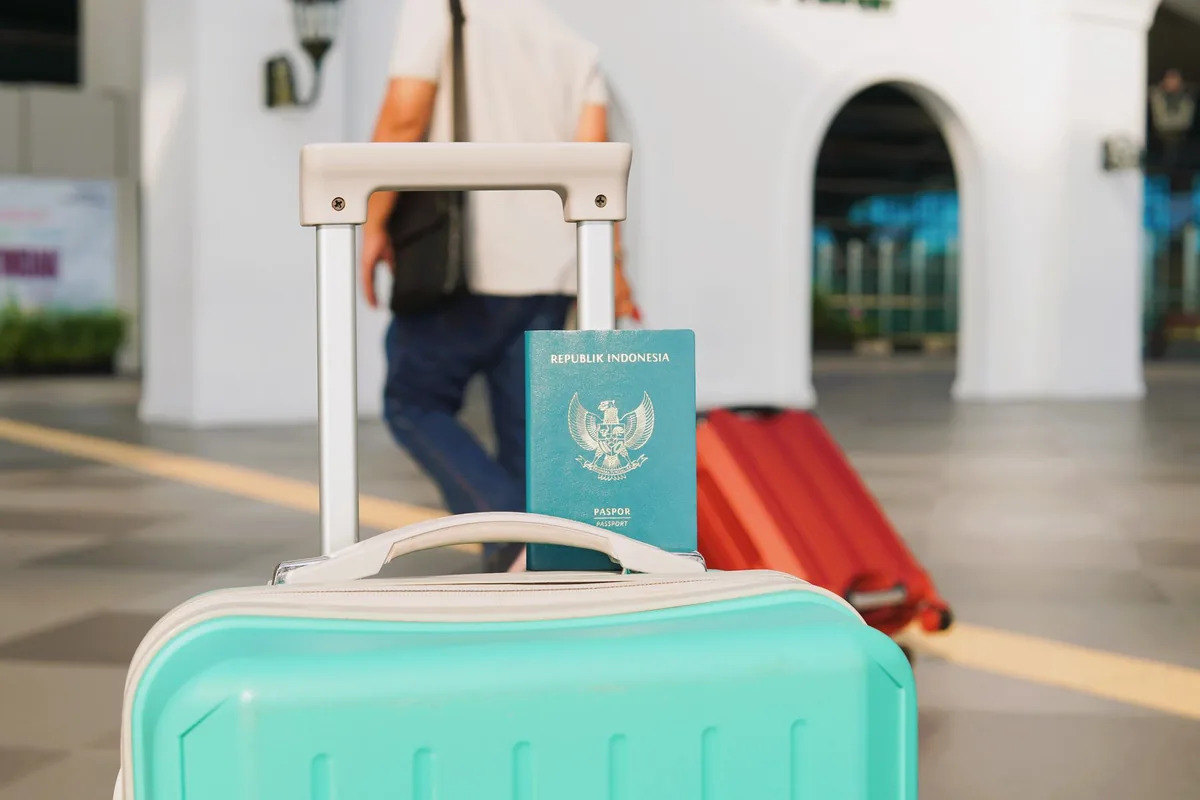
Thailand is reviving its long-delayed foreign tourist fee at an increased rate of THB 450 ($14), targeting implementation by early 2027. The proposal must undergo public consultation and Cabinet review before entering into effect, initially targeting air arrivals.
Key Takeaways
1New proposed fee is THB 450 ($14), up from the previous THB 300 framework to account for inflation and insurance costs.
2Air arrivals will be charged first, with rollout for land and sea entry to follow later.
3Implementation is targeted for Q1 2027, pending a 30-day public consultation and Cabinet approval.
Regis Maybourne has assumed sole ownership of the Maybourne hotel group, while Constellation Hotels retains ownership of key assets including The Connaught and The Berkeley. Operational and management agreements remain unchanged across the portfolio.
Key Takeaways
1Regis Maybourne gains full ownership of the brand, Claridge's, and Maybourne-branded hotels in France and California.
2Constellation retains The Connaught, The Berkeley, The Emory, and pipeline properties in Paris and Marrakech.
3Maybourne will continue to manage Constellation's properties under existing operational frameworks.
New data from Access Hospitality shows that delays in room readiness can cost hotels up to 15 percent of annual revenue. Hoteliers can mitigate these operational challenges and boost revenue through demand forecasting, proactive guest messaging, and AI-driven upselling.
Key Takeaways
1Delays in room readiness impact annual hotel revenues by an estimated 8% to 15%.
2One in three hotel operators currently cite housekeeping as a major operational pain point.
3AI tools and demand forecasting help optimize staff schedules and monetize early check-ins and late check-outs.
Radisson Hotel Group is maintaining its target of 100 properties in Saudi Arabia by 2030, leaning into strong domestic demand despite regional geopolitical tensions. The strategy underscores a divided Gulf recovery where local market depth hedges against broader tourism disruptions.
Key Takeaways
1Radisson operates 35 hotels in Saudi Arabia with 15 under construction.
2Company reaffirms target of 100 properties in the kingdom by 2030.
3Strong domestic demand positions Saudi Arabia ahead of regional peers.
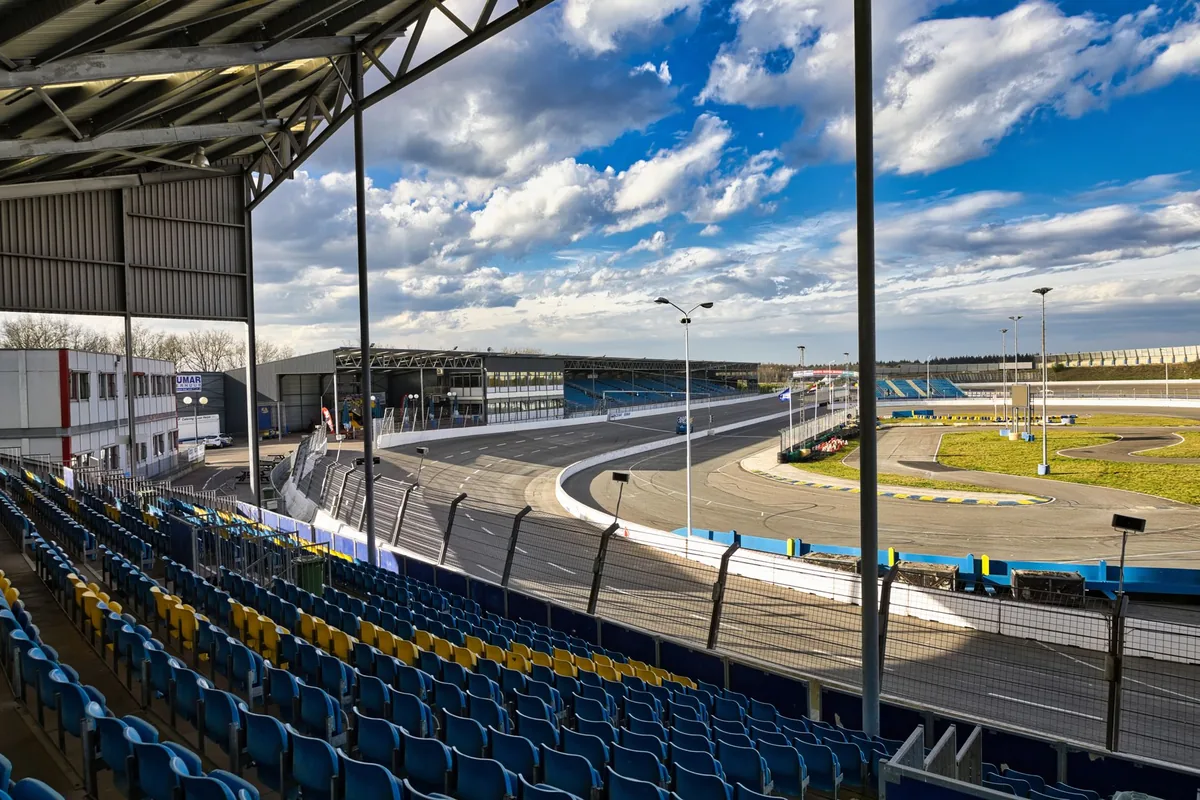
Formula One has confirmed that the Abu Dhabi Grand Prix will proceed as planned, delivering a vital high-ADR demand driver to the capital's hospitality sector. While Bahrain and Saudi Arabia lost their races, Abu Dhabi's robust events strategy continues to support regional hotel performance.
Key Takeaways
1F1 confirmed the Abu Dhabi Grand Prix finale will proceed despite prior regional war concerns.
2Race-week ADR in Abu Dhabi reached nearly $900 in 2025 at 93% occupancy, compared to a ~$200 non-race average.
3Cancellations in Bahrain and Saudi Arabia carry an estimated $200 million regional commercial and hospitality impact.
As generative AI transforms search engine visibility, hotel brands must optimize structured data and content to maintain direct booking traffic. The shift requires hoteliers to move beyond traditional SEO toward conversational and intent-driven search optimization.
Key Takeaways
1Generative AI tools increasingly answer travel queries directly, bypassing traditional search links
2Hotels need robust structured data and clear digital content to appear in AI-generated answers
3Focusing on unique brand differentiators helps capture high-intent travelers using AI search
The UK Treasury has launched an independent review into business rate valuation methods for pubs and hotels across England and Wales to create a fairer commercial property tax system. Led by specialist Jerry Schurder, the findings will report in March 2027 to feed into the 2029 revaluation process.
Key Takeaways
1Treasury review led by Jerry Schurder will assess pub and hotel property valuations by March 2027.
2Findings aim to reform commercial property tax methodologies ahead of the 2029 revaluation.
3Follows sector closures, rising operating costs, and planned business rate discounts for hospitality venues.
Guesty has launched a suite of agentic AI tools designed to handle end-to-end hospitality operations like guest requests, maintenance routing, and payment reconciliation without requiring constant staff intervention.
Key Takeaways
1New AI agents resolve routine guest requests, manage maintenance dispatching, and automate rate adjustments within user-defined rules.
2Tools like Pay Protector and Automated Bank Reconciler handle financial verification and reconciliation autonomously.
3The system frees property managers from operational bottlenecks to focus on complex guest issues and strategic growth.
Hotels often neglect the post-booking phase or overwhelm guests with cluttered confirmation pages instead of delivering relevant, personalized offers. By using reservation context to curate tailored upgrades and ancillary services, operators can drive incremental revenue without degrading the guest experience.
Key Takeaways
1Post-booking confirmation pages often suffer from internal fragmentation, overcrowding guests with competing offers.
2Tailoring post-booking touchpoints using destination and date data drives higher engagement and ancillary spend.
3Hotels must measure incremental value through rigorous testing rather than solely tracking vanity engagement metrics.
Analytics cookies.
We count visits either way — anonymously, with no IP stored. Accepting also lets
Google Analytics measure how the site is used. No advertising cookies, ever.
Privacy policy.
Get the briefing when it lands
One notification a day, the moment the edition publishes. No email needed.